
DFR Platform Comparison
DJI Dock 4 vs Skydio Dock for X10: Technical and Operational Differences
Compare DJI Dock 4 and Matrice 5TD with Skydio Dock for X10: battery workflows, thermal cameras, cold-weather ratings, site power and Canadian DFR planning.
Remote Robotic · October 15, 2026 · 8 min read
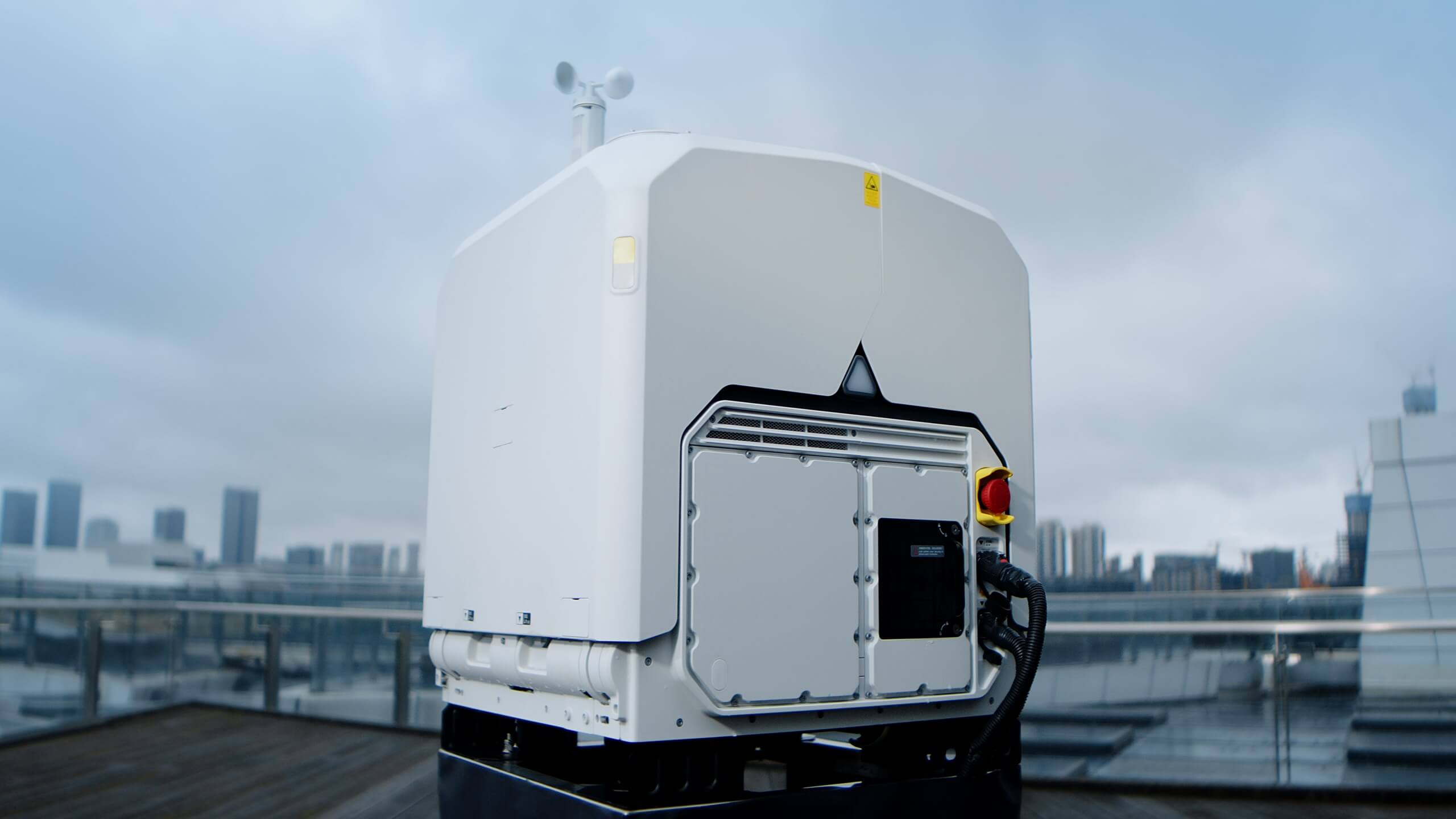
For Canadian public safety teams evaluating Drone as First Responder (DFR), DJI Dock 4 with Matrice 5TD and Skydio Dock for X10 with X10 take different approaches to restoring flight readiness. This comparison separates manufacturer specifications from the practical site, power and workflow questions that matter in daily operations.
The short answer
Dock 4 automatically swaps batteries after landing; Skydio Dock for X10 recharges the aircraft in place. DJI publishes longer maximum flight endurance, higher native thermal resolution and a lower operating-temperature limit. The choice still depends on site conditions, sensor configuration, connectivity, data requirements and the intended mission—not one specification alone.
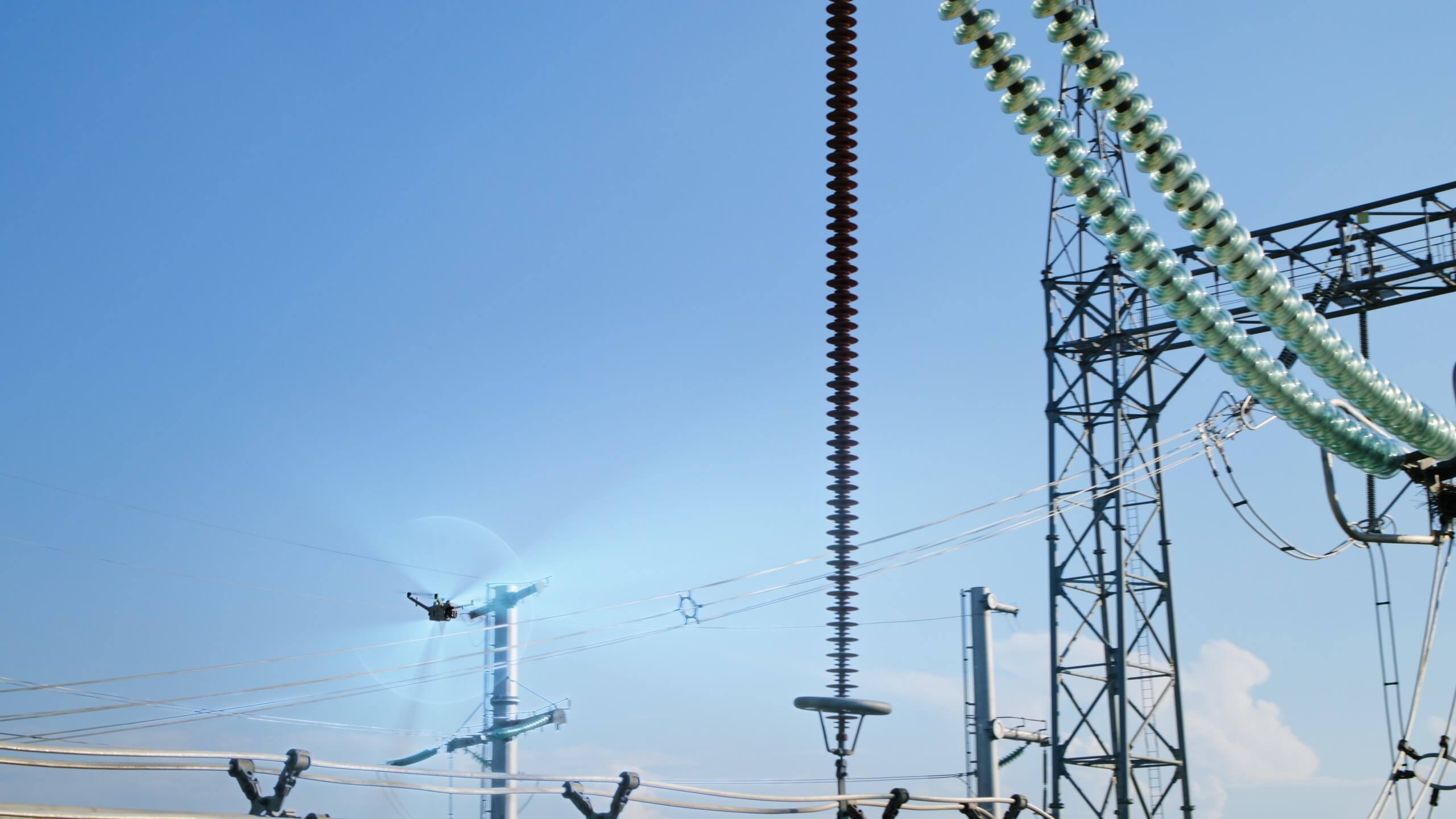
Technical differences: Dock 4 + Matrice 5TD vs Dock for X10 + X10
| Technical difference | DJI Dock 4 + Matrice 5TD | Skydio Dock for X10 + X10 |
|---|---|---|
| Battery workflow [1,4] | Automatic swap: under 25 seconds; under 45 seconds landing-to-takeoff | In-dock charging: 15–95% in 35 minutes at 25°C; up to 73 minutes with thermal conditioning |
| Maximum flight / hover time [1,2] | 59 minutes / 55 minutes | 40 minutes / 35 minutes |
| Native thermal resolution [1,2] | 1280 × 1024 | 640 × 512 (FLIR Boson+) |
| Tele camera [1,2] | 50 MP; 252 mm equivalent | 48 MP; 190 mm equivalent (VT300-Z configuration) |
| Aircraft operating temperature [1,2] | –40°C to 50°C | –20°C to 45°C |
| Dock operating temperature [1,3] | –40°C to 50°C | –20°C to 50°C |
| Aircraft / dock ingress rating [1,2,5] | IP55 / IP56 | IP55 / IP56* |
| Closed dock dimensions [1,3] | 639 × 640 × 836 mm | 866 × 958 × 1410 mm with base (rounded from inches) |
| Input power [1,4] | 100–240 V AC; 2000 W maximum | 100–240 V AC; 2200 W peak; 200–240 V required below 0°C |
Manufacturer test figures are not guaranteed mission results. DJI swap and turnaround are controlled-test timings; maximum flight times exclude operational reserve and real-world payload or weather effects. *Skydio’s FAQ lists IP56; its site manual separately lists IPX5 with the roof open and IPX6 closed. Numbers in brackets refer to the sources below.
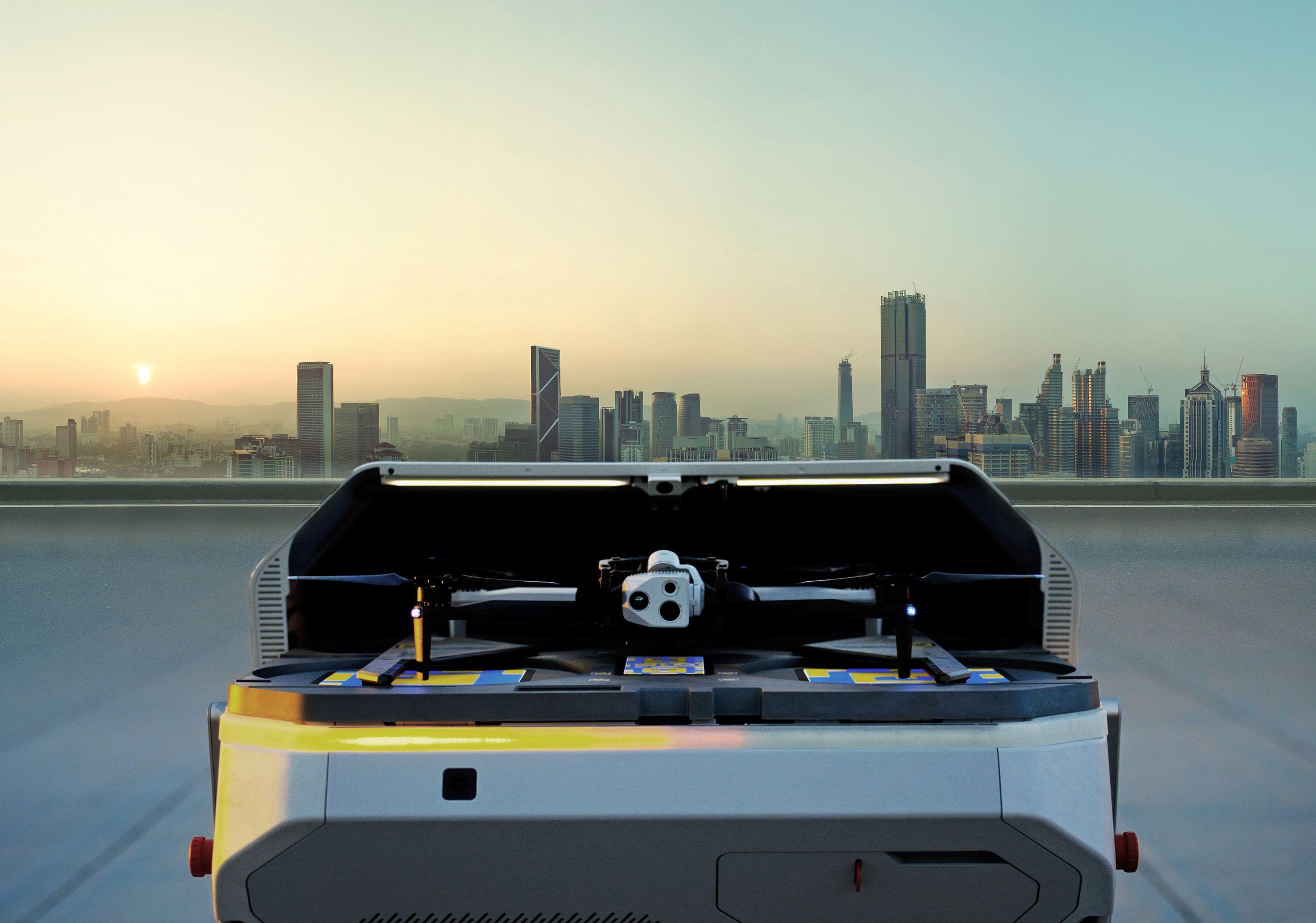
Operational differences: what changes day to day?
Launching from a ready state and restoring readiness after a completed mission are different measurements. A quick launch does not describe the charging or battery-swapping interval after landing.
1. Repeat response: swapping versus recharging
DJI Dock 4 + Matrice 5TD
Dock 4 swaps a charged battery after landing. Up to three stored batteries and two charging channels reduce gaps between missions. [1]
Skydio Dock for X10 + X10
Dock for X10 recharges the aircraft in place. Mission length, remaining charge and dock heating or cooling determine readiness for the next call. [4]
2. Winter site planning
DJI Dock 4 + Matrice 5TD
Dock 4 and Matrice 5TD are rated to –40°C. Plan the circuit for the 2000 W maximum load: voltage compatibility does not mean no electrical work. [1]
Skydio Dock for X10 + X10
The dock and X10 aircraft have a –20°C lower limit. Below 0°C, the site manual requires 200–240 V power and specifies a 20 A breaker. [2–4]
3. Network and remote control
DJI Dock 4 + Matrice 5TD
Dock 4 requires a separate DJI O4 Ground Station. FlightHub 2 supports remote workflows; dual built-in 4G modules are listed for Matrice 5TD. [1,6]
Skydio Dock for X10 + X10
An external radio and Connect Fusion combine radio, Wi-Fi and cellular connectivity. Ops Center and Skydio Command support remote operations. [3,5]
4. Data and dispatch planning
DJI Dock 4 + Matrice 5TD
FlightHub 2 has an On-Premises option. Confirm Dock 4 compatibility, licensing, data flows and CAD integration for the actual deployment. [7]
Skydio Dock for X10 + X10
Skydio presents a cloud-connected remote workflow. Confirm agency data-region, retention, export and dispatch-integration requirements. [5]
5. Program design and observation
DJI Dock 4 + Matrice 5TD
Higher native thermal pixel count and longer published endurance support detailed observation and repeated missions. [1]
Skydio Dock for X10 + X10
Skydio emphasizes autonomous navigation and remote response. Compare sensor configuration, support and workflow fit on-site. [2,5]
Canadian operations and procurement
Radio range is not an approved service area. Validate site conditions, airspace, operator and pilot requirements, and the permissions applicable to the intended DFR or BVLOS mission. Neither system guarantees continuous coverage.
This comparison covers civilian Skydio X10, not X10D. Verify NDAA or Blue UAS status for the exact configuration; procurement designations do not replace Canadian flight permissions.
Frequently asked questions
What is the main operational difference between DJI Dock 4 and Skydio Dock for X10?
DJI Dock 4 swaps batteries after landing, while Skydio Dock for X10 recharges the aircraft in place. This changes how each system restores readiness for repeat missions.
How do their cold-weather ratings compare?
DJI Dock 4 and Matrice 5TD are rated from –40°C to 50°C. Skydio Dock for X10 is rated from –20°C to 50°C, while the X10 aircraft is rated from –20°C to 45°C. Dock and aircraft limits must be considered separately.
Does Dock 4 need a separate ground station?
Yes. DJI Dock 4 requires a separate DJI O4 Ground Station, which must be included in site and network planning.
Is a 20-second launch the same as turnaround after a mission?
No. Launch from a ready state and restoration of readiness after landing are different measurements. Battery swapping or recharging determines the latter.
Does this comparison establish NDAA or Blue UAS eligibility?
No. This comparison covers civilian Skydio X10, not X10D. Verify the status of the exact configuration. Procurement designations do not replace Canadian flight permissions.
Manufacturer sources
Reviewed October 15, 2026. Specifications and configuration options can change.
Plan your dock deployment
Talk to our team about site requirements, aircraft selection and your intended operations.
Request a quote