
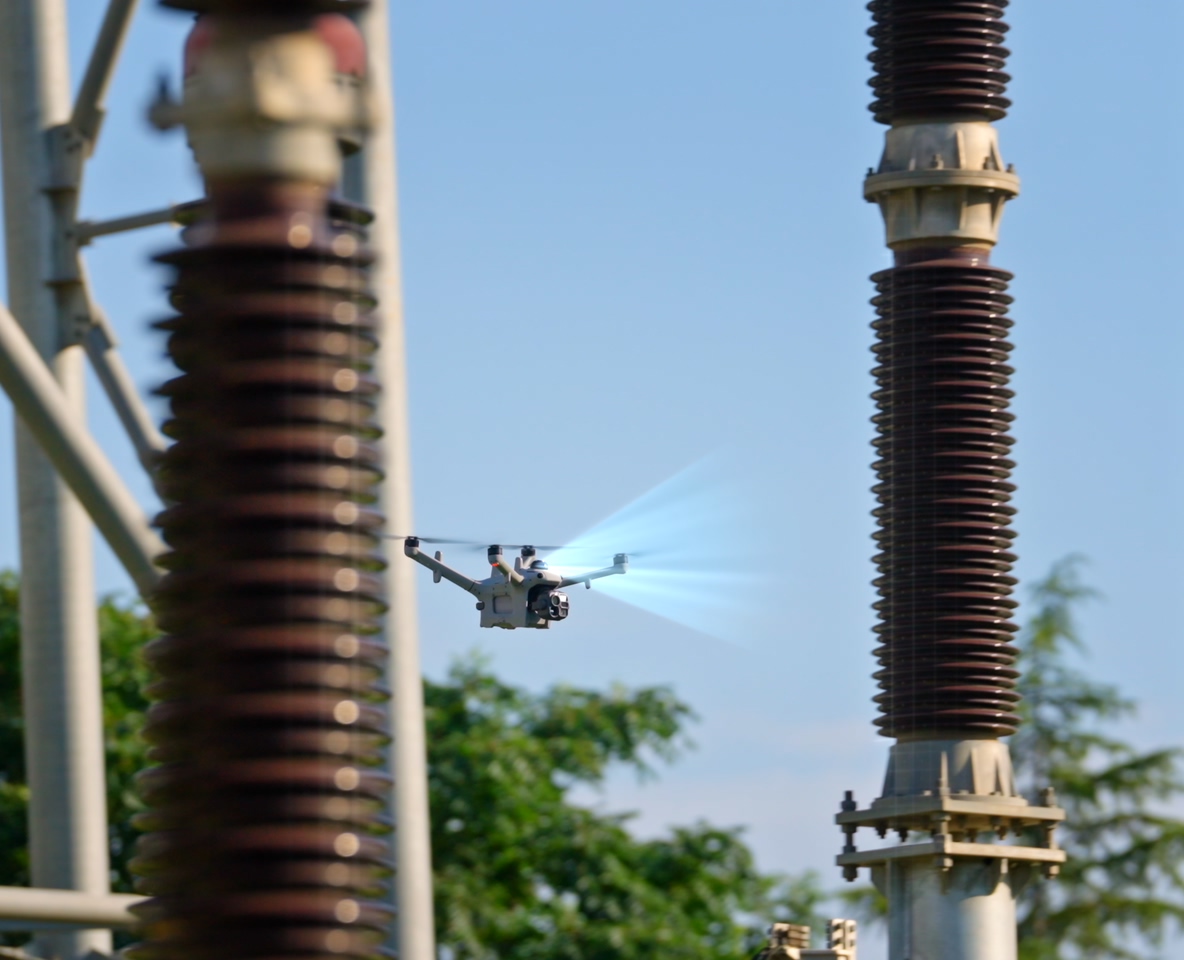
ROC – Remote Operation Center
Safer Sites with Remote Drone Operations: No Crews in the Field, No Drone Training on Site
Remote Robotic's ROC bases automated drones on your site with licensed pilots overseeing every mission remotely, so nobody on site has to fly, launch or maintain a drone.
Remote Robotic · October 20, 2026 · 7 min read
Every inspection, patrol and survey that sends a person into the field carries risk: long drives on remote roads, climbing towers and tanks, walking stockpiles and pit edges, working near energized or hot equipment, and patrolling dark perimeters alone.
Adding drones has helped, but most drone programs still need someone on site to launch, fly and recover the aircraft. That means more people to train, certify, supervise and keep safe.
Remote Robotic’s Remote Operations Center (ROC) takes a different approach. Automated drones are based on your site, licensed pilots oversee every mission remotely, and nobody on your site has to fly, launch or maintain a drone.
Where the risk comes from today
Field inspections and patrols
- Driving long distances on remote and winter roads
- Working at height on towers, tanks, stacks and structures
- Approaching energized, pressurized or high-temperature equipment
- Walking stockpiles, pit walls, tailings dams and blast zones
- Entering areas with possible gas or chemical exposure
- Patrolling perimeters alone, often at night
- Working in extreme cold, heat and poor visibility
Running your own drone program
Even with drones, an in-house program brings its own safety load:
- Staff must be trained and certified to fly
- Pilots still travel to site and work in the field
- Launching and recovering aircraft near equipment, traffic and people
- Handling, charging and storing batteries
- Keeping certifications, procedures and recurrent training up to date
- Making go/no-go weather decisions under time pressure
- Supervising contractors and new operators
How the ROC removes people from the risk
No crews in the field for routine work
Inspections, patrols and surveys run automatically from the drone’s base on site. Your team reviews the results from the office, a control room or a phone. Crews go out only when there’s a confirmed issue to fix.
No drone pilots on site
Licensed pilots oversee every mission remotely from our operations centre. Nobody on your site needs to launch, fly or recover a drone.
No drone training for your staff
Your team doesn’t need pilot certificates, flight training, recurrency training or drone operating procedures. You don’t need to train new hires, cover turnover or manage drone qualifications.
No equipment handling
The drone launches, lands and recharges automatically. Your staff never handles batteries, propellers or aircraft. We take care of maintenance, repairs and updates.
No weather decisions under pressure
Built-in weather sensors check wind, rain and temperature before every launch. If conditions aren’t safe, the flight holds automatically, with no judgment calls in the field.
No lone night patrols
Night perimeter checks no longer mean a guard walking a dark fence line alone. Thermal patrols and alarm-triggered response put eyes on site before anyone walks the perimeter.
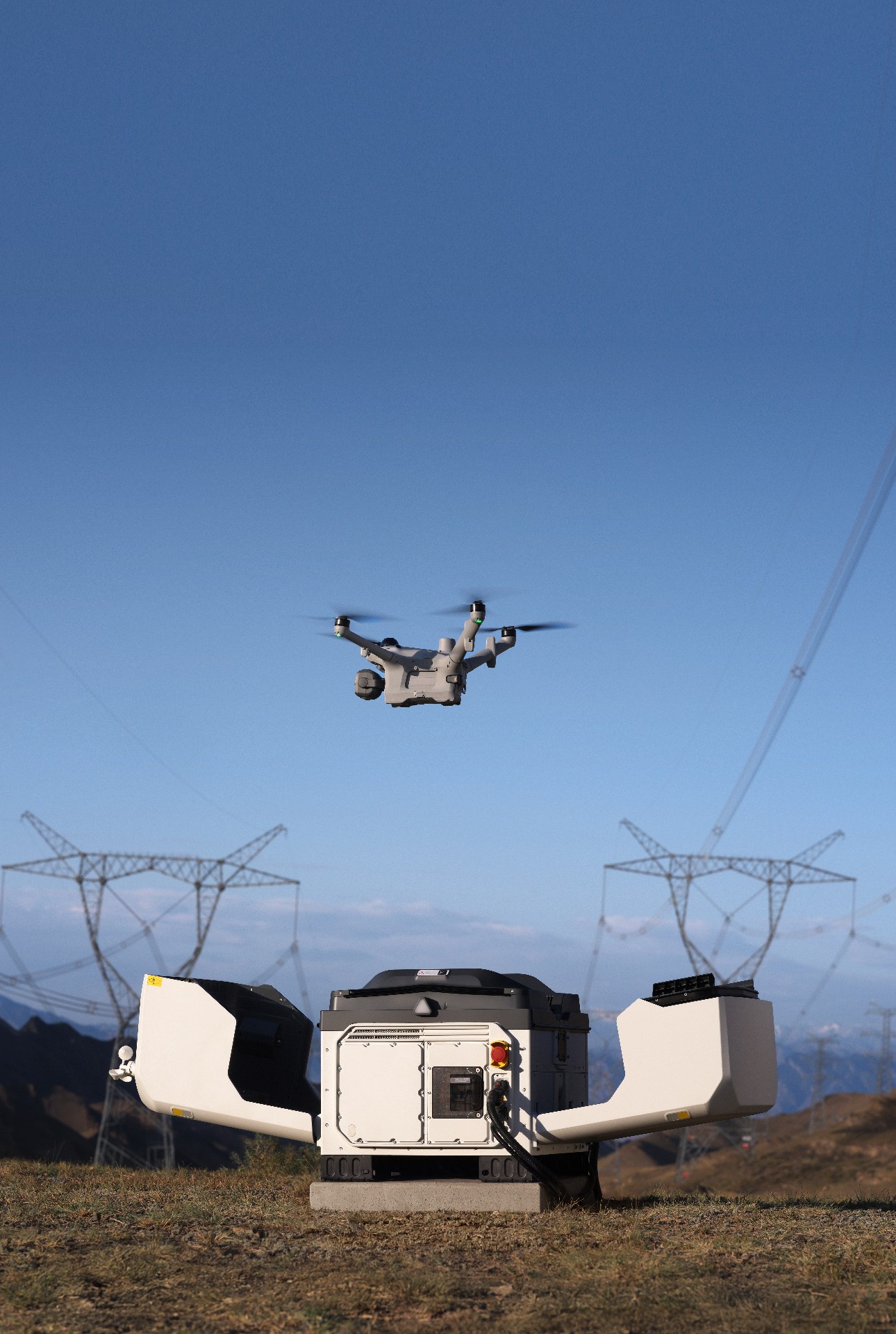
Safety benefits by task
| Task | Manual or on-site method | With the ROC |
|---|---|---|
| Routine site inspections | Drive to site, walk the equipment | Automated flights, reviewed remotely |
| Tower, stack and tank checks | Climbing or work at height | Close-up zoom from a safe distance |
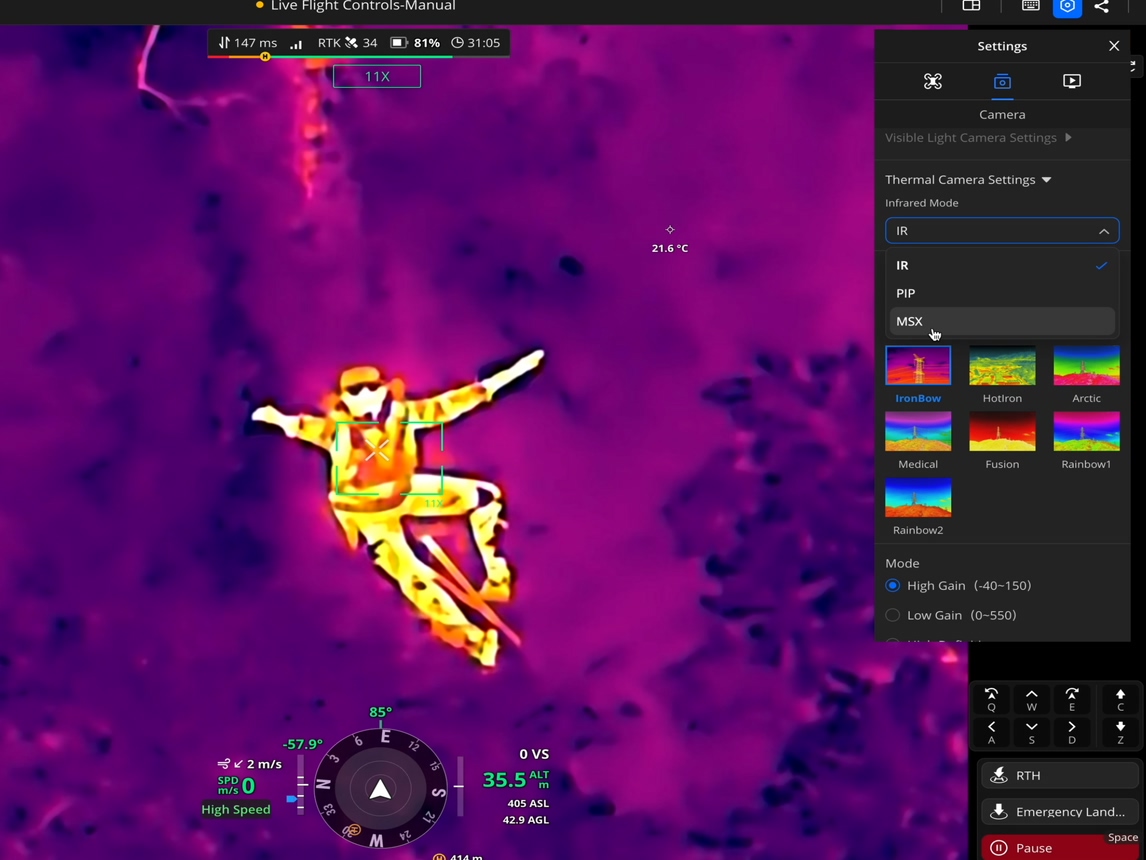
| Energized equipment | Approach for visual or thermal checks | Thermal scans from a safe stand-off distance |
| Stockpiles and pit walls | Surveyors on unstable ground | Automated mapping and change detection |
| Post-blast surveys | Entering the blast area | Drone surveys as soon as the area is cleared for flight |
| Pipeline and corridor patrols | Long drives on remote roads | Automated corridor flights |
| Flare checks | Approaching hot equipment | Thermal confirmation from a distance |
| Night security patrols | Guards patrolling alone | Thermal patrols and alarm-triggered response |
| Incident response | First responders arrive without information | Live aerial video before crews arrive |
| Drone operations | Staff trained to fly on site | Licensed pilots oversee remotely, with no on-site training |
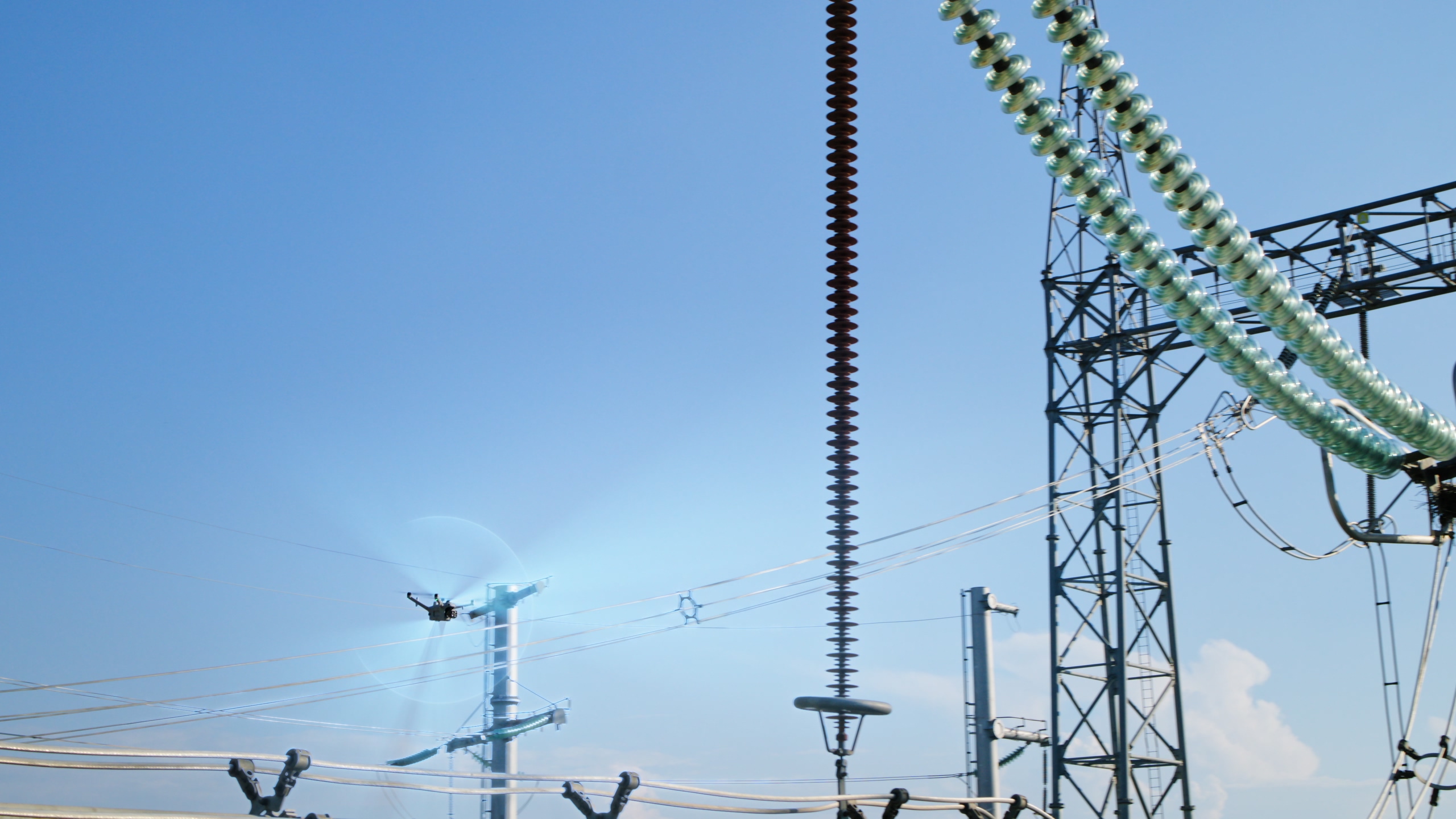
Safety at every stage of the mission
- 01Before the flight
- Routes are designed around your site layout, hazards and restricted areas.
- Geofences keep the drone clear of energized equipment, active work zones and no-fly areas.
- Automatic weather checks run before every launch.
- Equipment health is monitored around the clock.
- 02During the flight
- Licensed pilots oversee every mission live and can take control at any time.
- 360° obstacle sensing helps the drone avoid structures, cables and other obstacles, day and night.
- Live video lets the pilot and your team see exactly what the drone sees.
- If conditions change, the drone holds, returns or lands safely.
- 03After the flight
- The drone returns and recharges automatically, with no handling required.
- Data uploads securely, with no memory cards to collect from site.
- Every flight is logged, with records ready for audits and reviews.
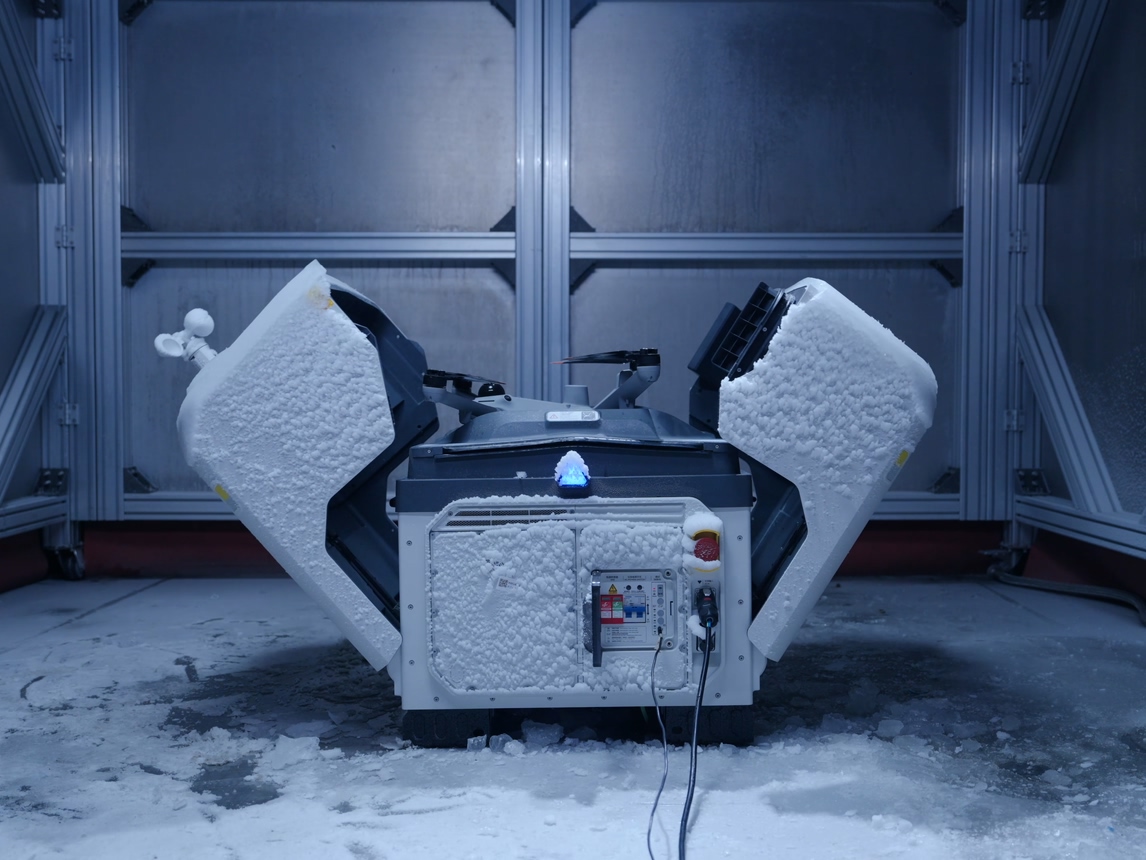
Faster, safer emergency response
When something goes wrong, the first priority is to understand the situation before anyone goes in.
Alarm-triggered launch
The drone launches automatically from SCADA, fire, gas or security alarms.
Live video in minutes
Visual and thermal video streams to your control room and responders.
Know before you go
See the hazard, the scale and the safest approach before sending people in.
Track people and vehicles
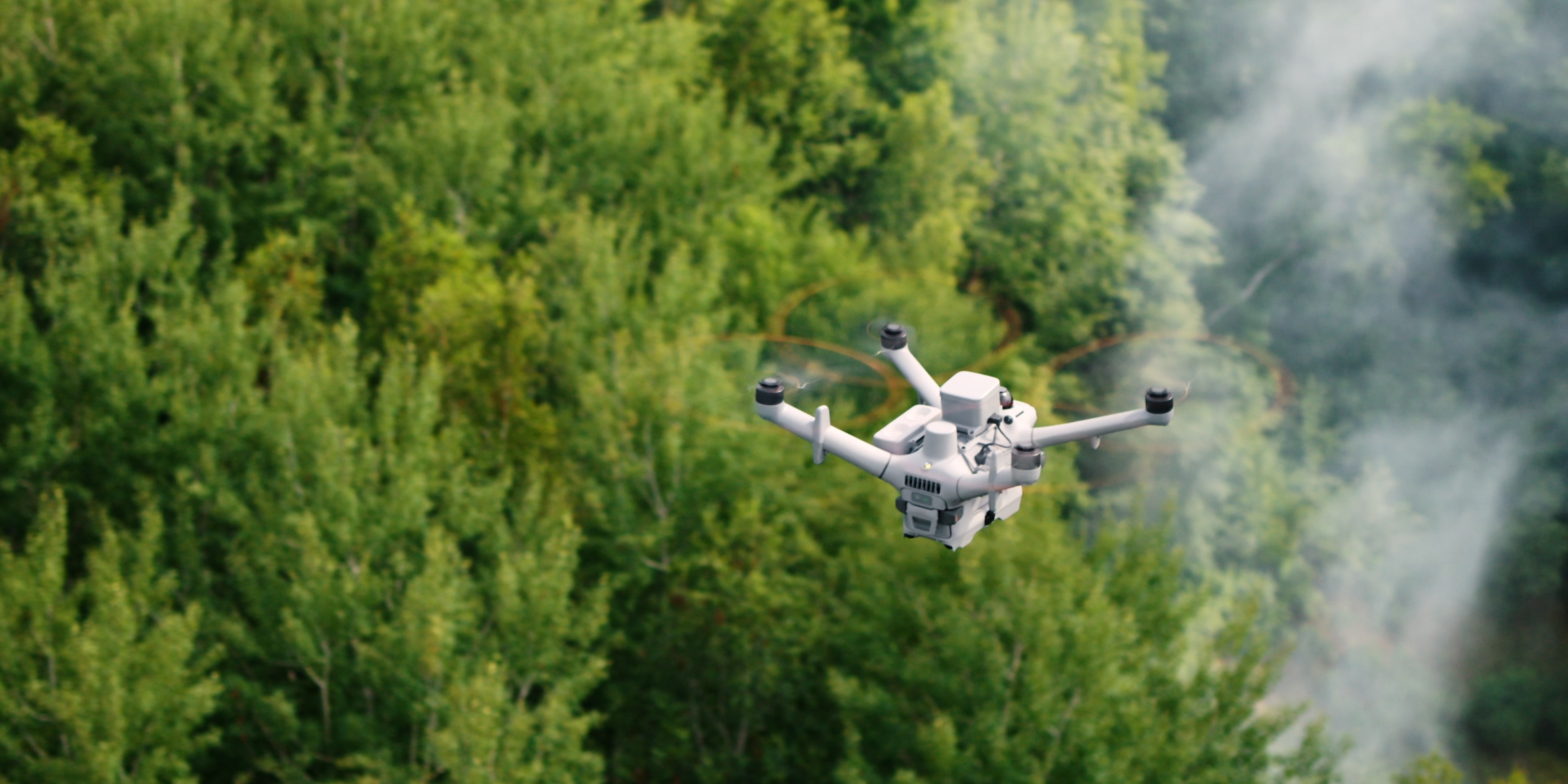
AI detection and tracking help locate people in an incident area.
Hands-free overwatch
The drone stays overhead while responders work.
Your team arrives informed, instead of walking in blind.
Supporting your safety program
The ROC helps operations and HSE teams:
- Reduce exposure hours for field staff
- Cut driving hours to remote sites
- Lower work-at-height requirements for routine inspections
- Remove drone operations from your site’s risk register
- Catch hazards earlier with frequent, repeatable inspections
- Document conditions with time-stamped, geotagged records
- Support incident investigations with flight logs and imagery
Who benefits
Oil and gas
Fewer drives to remote well sites, no close approaches to flares or pressurized equipment, and safer response to alarms and releases.
Mining
No one at the crest, on stockpiles or in blast zones for routine surveys, and safer monitoring of tailings and pit walls.
Utilities
Less work near energized equipment, fewer tower climbs and faster damage checks after storms.
Construction
Progress tracking without walking active work zones, and after-hours security without lone patrols.
Security
Thermal patrols and alarm response without sending guards into unknown situations alone.
What’s included
| Equipment | Drones, bases, batteries and accessories, supplied and maintained by us |
|---|---|
| Installation | Site assessment, setup and commissioning |
| Licensed pilots | Remote oversight of every mission, 24/7/365 |
| Mission design | Routes and geofences built around your site’s hazards |
| Maintenance | Repairs, updates and replacement hardware |
| Data | Inspection imagery, thermal reports, maps and AI alerts |
| Records | Flight logs and chain-of-custody documentation |
No drone training. No pilots on site. No equipment for your team to handle.
Start with your highest-risk task
Most clients start with the job that puts their people at the greatest risk, such as a remote site inspection, a work-at-height check, a night patrol or post-blast surveys. Once that task is automated, adding more is simple.
Coverage across Canada
Remote Robotic has service points in Mississauga (HQ), Ottawa, Calgary, Burnaby and Montréal. We operate 24/7/365, and our service levels range from best-effort to guaranteed dispatch.
Frequently asked questions
Does anyone on our site need to fly the drone?
No. Licensed pilots oversee every mission remotely from our operations centre.
Do our staff need drone training or certification?
No. Your team only reviews the data. Flight operations, certification and training are handled by us.
Who handles the drone and batteries?
The drone launches, lands and recharges automatically. Maintenance and repairs are handled by our team.
What if the weather turns?
Weather sensors check conditions before every launch, and flights hold automatically when it isn’t safe.
How does the drone avoid hazards on site?
Routes are planned around your site, geofences keep the drone clear of restricted areas, and obstacle sensing helps it avoid structures and cables.
Can the drone help during an emergency?
Yes. It can launch automatically from an alarm and stream live visual and thermal video to your team and responders within minutes.
What do we need on site?
Power and a network connection at the drone’s base. We handle everything else.
Get started
Keep your people out of harm’s way and take drone operations off your site’s to-do list. Book a ROC briefing and we’ll design a safer, automated program around your sites and your highest-risk tasks.
Request a briefing at remoterobotic.com/quote or call 416-303-3575.
Shop the story
Related products in our catalog
Every product below is stocked and supported by Remote Robotic in Canada.