
ROC – Remote Operation Center
Common Questions About Remote Drone Operations, Answered
Straight answers about remote drone operations with the ROC: winter and weather limits, reliability, data ownership and privacy, Transport Canada rules, jobs, cost and getting started.
Remote Robotic · October 30, 2026 · 10 min read
Automated drone operations are new to many organizations, and new technology raises questions. Will it work in winter? What happens if something breaks? Who sees our data? Is it legal? Will it replace jobs? What does it cost?
These are the questions we hear most often about Remote Robotic’s Remote Operations Center (ROC), with straight answers.
At a glance
| Operating temperature | –40°C to 50°C (latest docked drone systems) |
|---|---|
| Dust and water protection | Docks IP56, drones IP55 |
| Rain | Light rain, up to about 2 mm per hour |
| Wind | Take-off and landing in winds up to 12 m/s |
| Battery swap and relaunch | Under 45 seconds (latest docks) |
| Obstacle sensing | 360°: vision sensors, rotating LiDAR, millimetre-wave radar |
| ROC staffing | 24/7/365 by licensed pilots |
Docked systems: DJI Dock 4 with the DJI Matrice 5TD, and DJI Dock 3 with the DJI Matrice 4TD.
The basics
Q01What is remote drone operations?
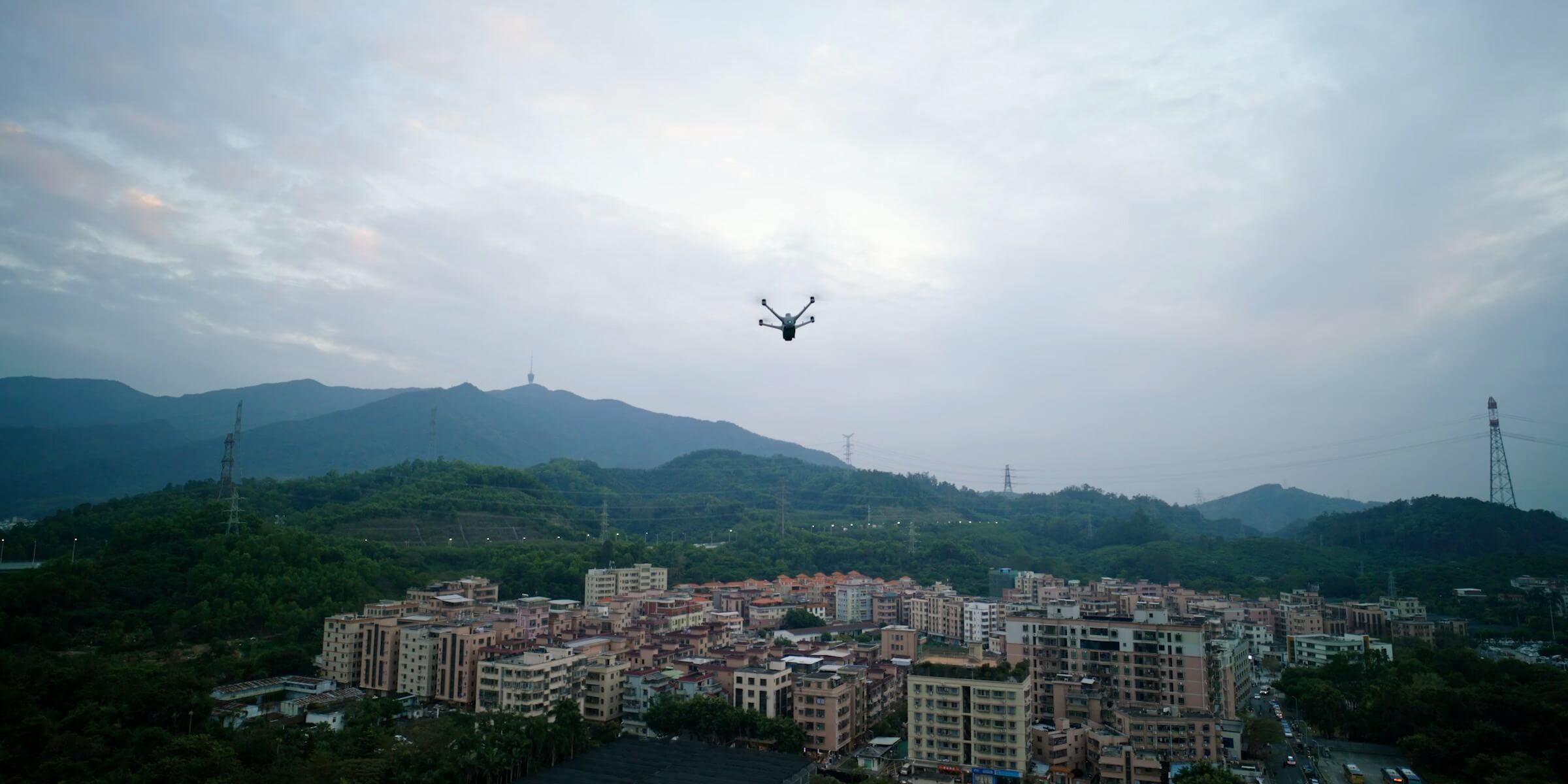
Remote drone operations means running drone missions at a site without a pilot or crew on site. Automated drones based at the site launch, fly their missions, land and recharge on their own. Licensed pilots at a central operations centre oversee every flight remotely.
Q02What is the ROC?
Remote Robotic’s Remote Operations Center is a fully managed drone program. We supply the drones and docks, our licensed pilots run every mission from our Canadian operations centre, and you get the data. You don’t buy equipment, hire pilots or run the program yourself.
Q03What can the ROC do?
- Scheduled inspections of equipment, structures and facilities
- Thermal monitoring and temperature alerts
- Site security patrols and alarm response
- AI detection of people and vehicles
- Corridor patrols along pipelines, lines and roads
- Live aerial video during incidents and emergencies
- Change detection between repeat flights
Q04Is the drone flying on its own?
Missions are automated. The drone follows saved routes, launches on a schedule or from an alarm, and lands and recharges by itself. But it isn’t unsupervised: licensed pilots oversee every mission and can take control at any time.
Weather
Q05Can drones fly in Canadian winters?
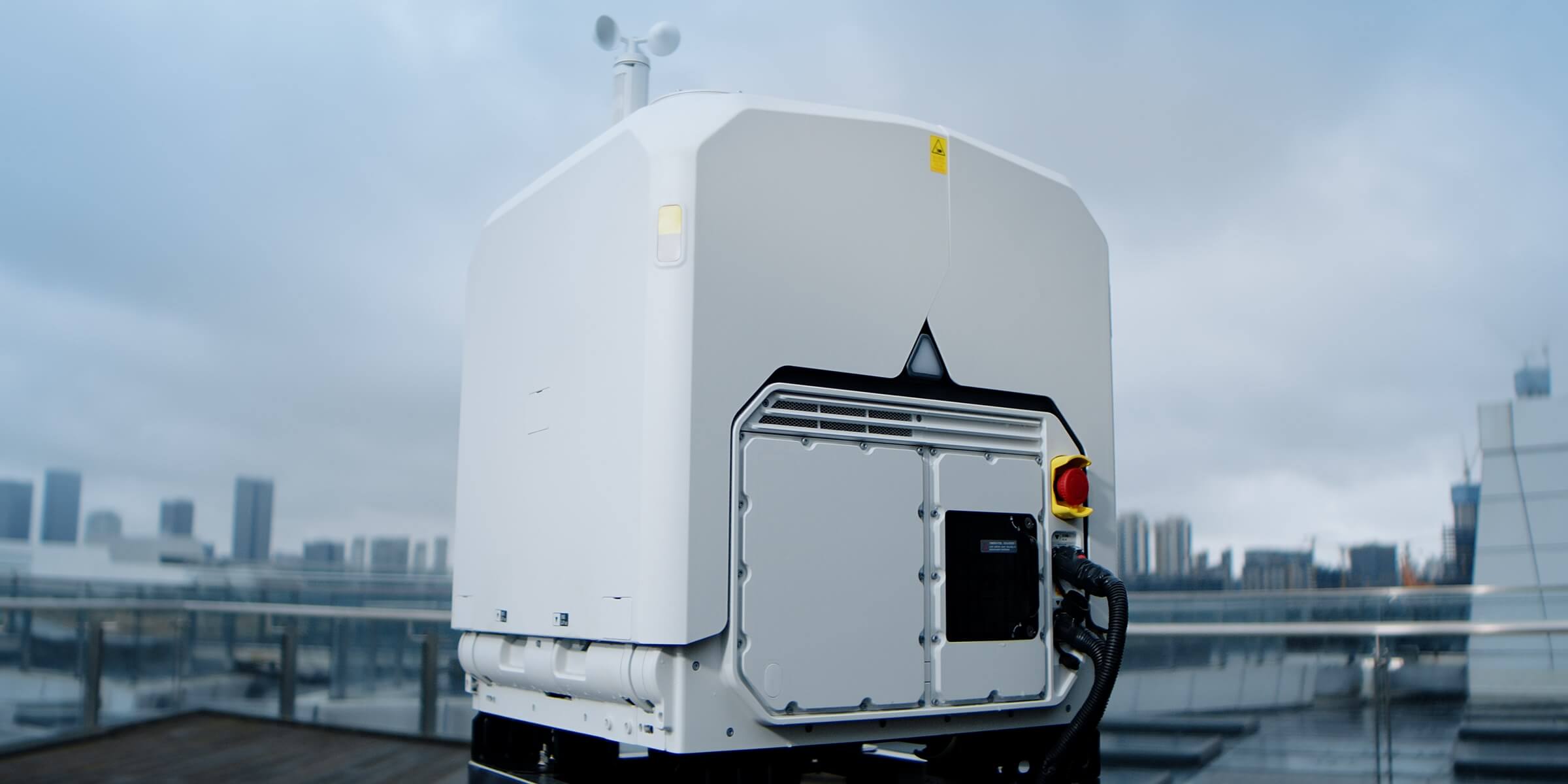
Yes. Our latest docked drone systems are rated to operate from –40°C to 50°C. Docks heat and cool themselves automatically, drone batteries heat themselves in the cold, and drones use anti-ice propellers.
Q06What about rain and snow?
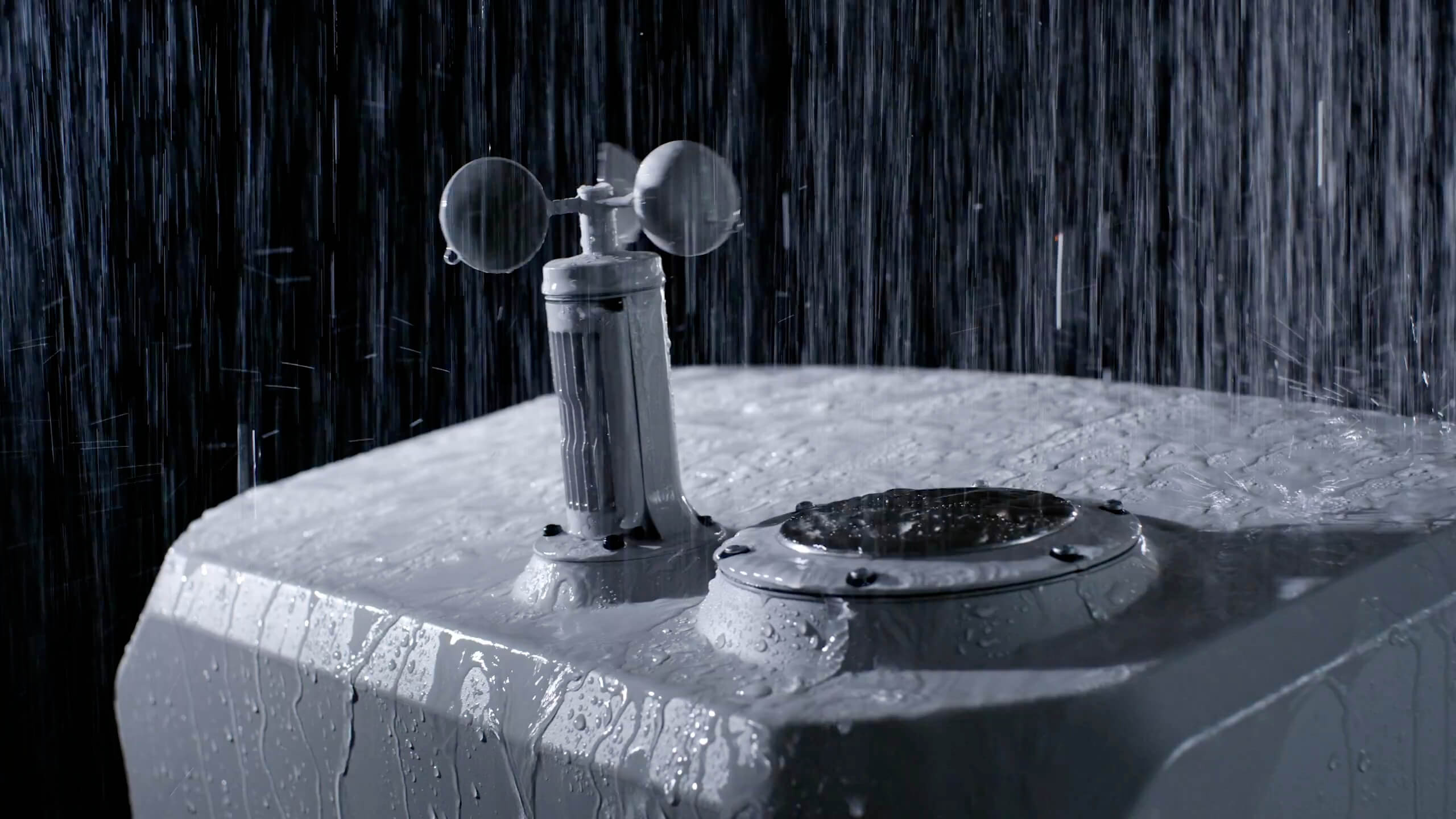
Docks are rated IP56 and drones IP55 for protection against dust and water. Drones can fly in light rain, up to about 2 mm per hour. Heavy rain, snow and fog can affect flight safety and sensors, so missions hold in those conditions.
Q07What about wind?
Drones can take off and land in winds of up to 12 m/s. Above that, missions hold automatically.
Q08Who decides whether it’s safe to fly?
Each dock has its own weather station that measures wind speed, rainfall and temperature. Before every launch, the system checks local conditions and holds the flight automatically if they’re outside safe limits. ROC pilots also monitor conditions and can bring the drone back early if the weather changes.
Q09What happens to a mission that’s held for weather?
The ROC tracks every missed mission and makes sure it’s completed as soon as conditions allow.
Q10Does weather affect data quality?
Sometimes. Fog, heavy precipitation and direct sun can affect visual and thermal imagery. Missions are scheduled to get the most consistent, reliable data, for example at the same time of day for thermal comparisons.
Reliability
Q11How reliable are automated drones?
Docked drones are built for permanent outdoor use. They’re weather-sealed, climate-controlled and monitored 24/7. Every mission is overseen by a licensed pilot, and the system checks the aircraft, the dock and the weather before every flight.
Q12What if the drone or dock breaks?
Maintenance and repairs are part of the service. Our team handles preventive maintenance, firmware updates, repairs and replacement hardware, backed by OEM-tier hardware support.
Q13What happens if the power goes out?
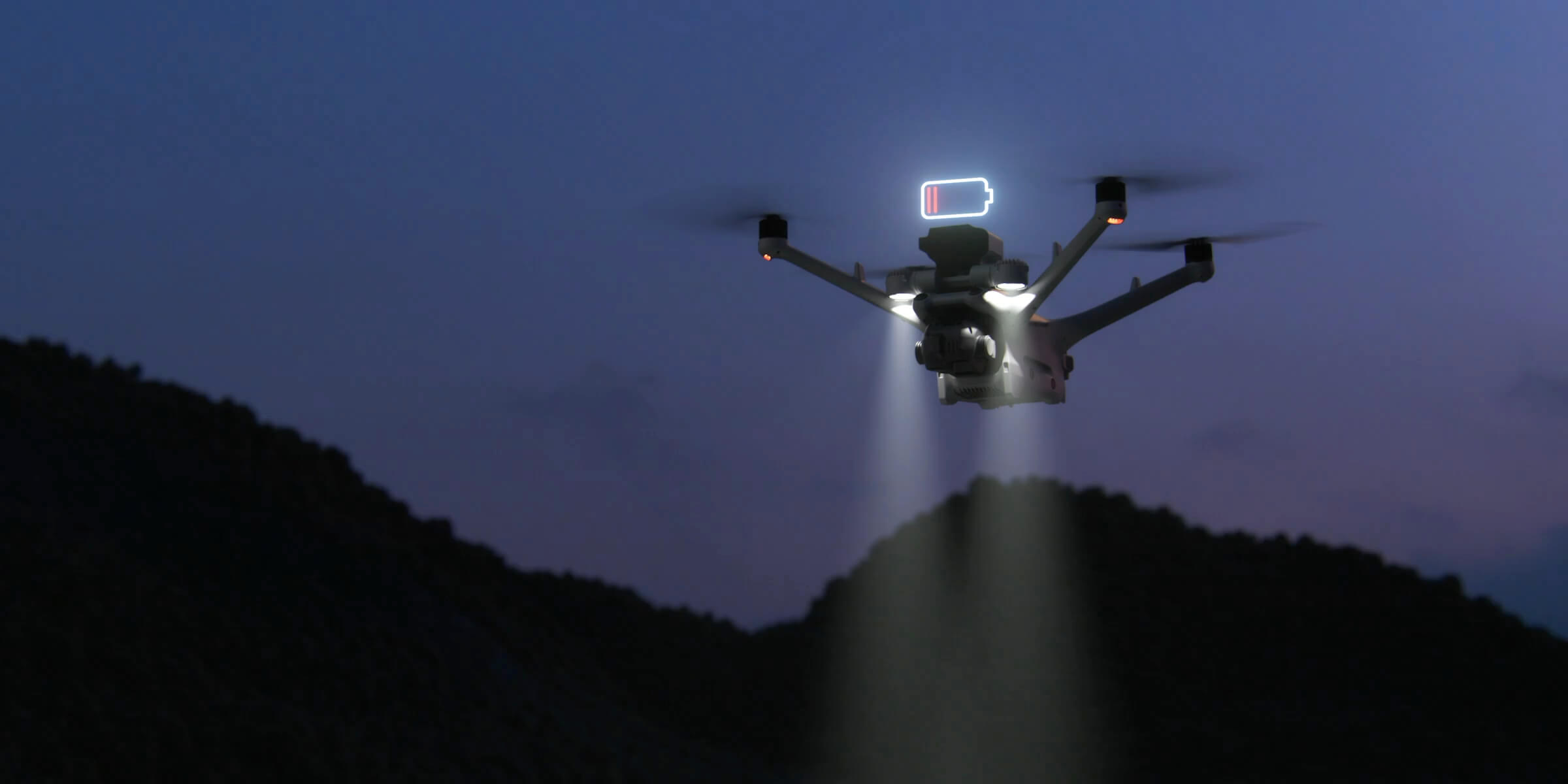
Docks include backup power that keeps essential systems running, so the drone can return and land safely. During an outage, the dock can’t charge the drone, so stable power is important for continuous operations.
Q14What if the internet connection drops?
If the drone loses its link, it follows preset safety procedures, such as returning to the dock. We assess connectivity during the site survey and recommend backup options where needed.
Q15How does the drone avoid obstacles?
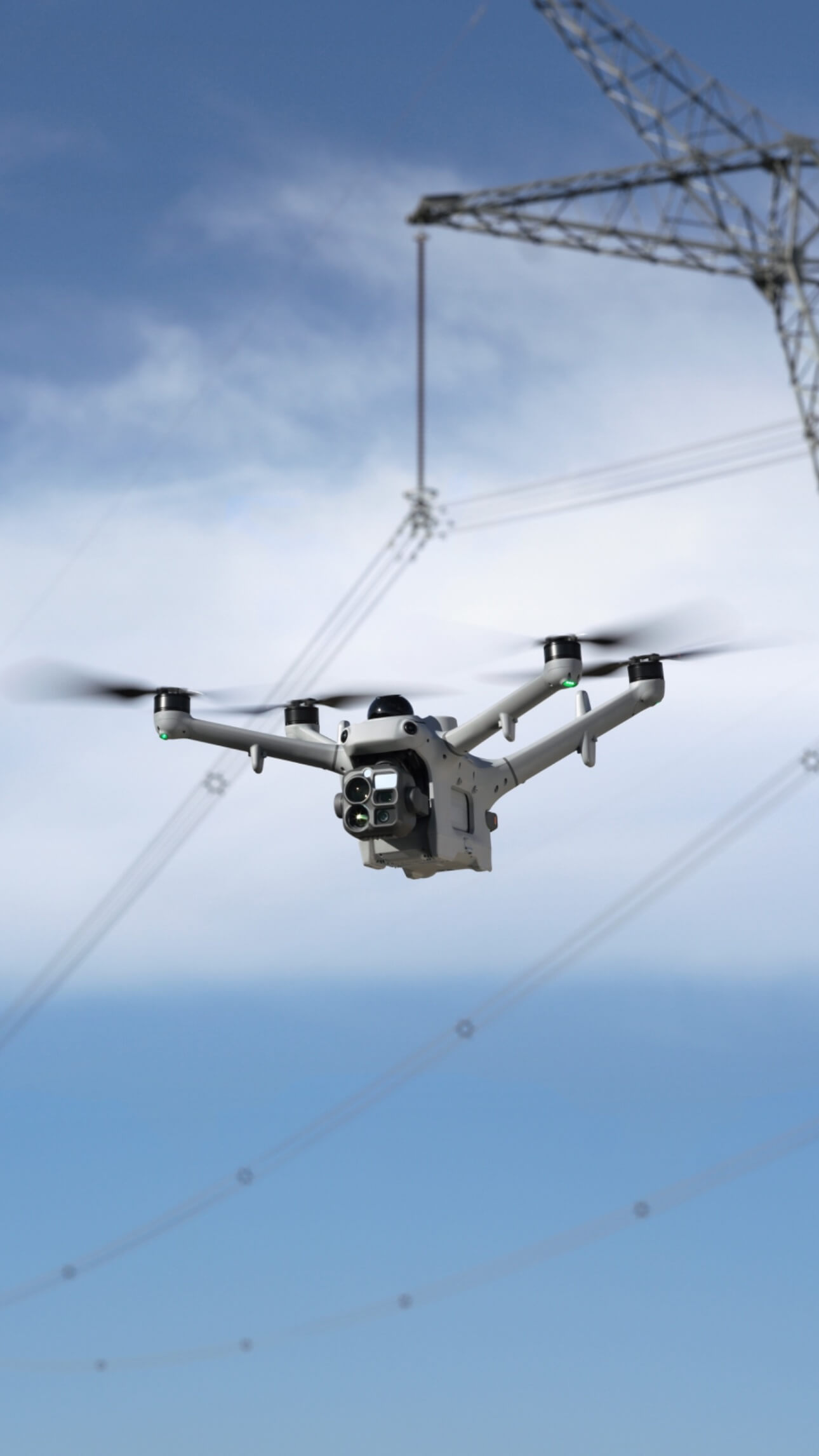
Drones use 360° obstacle sensing that combines vision sensors, rotating LiDAR and millimetre-wave radar. They can detect thin cables, and they work day and night. Routes are also planned around known hazards, and geofences keep drones away from restricted areas.
Q16How quickly can a drone respond?
The drone launches as soon as a mission is triggered. Our latest docks can swap the battery and have the drone back in the air in under 45 seconds, which supports back-to-back missions and repeat alarms.
Q17Is the ROC staffed around the clock?
Yes. The ROC is staffed 24/7/365 by licensed pilots, with service levels from best-effort to guaranteed dispatch.
Data security and privacy
Q18Who owns the data?
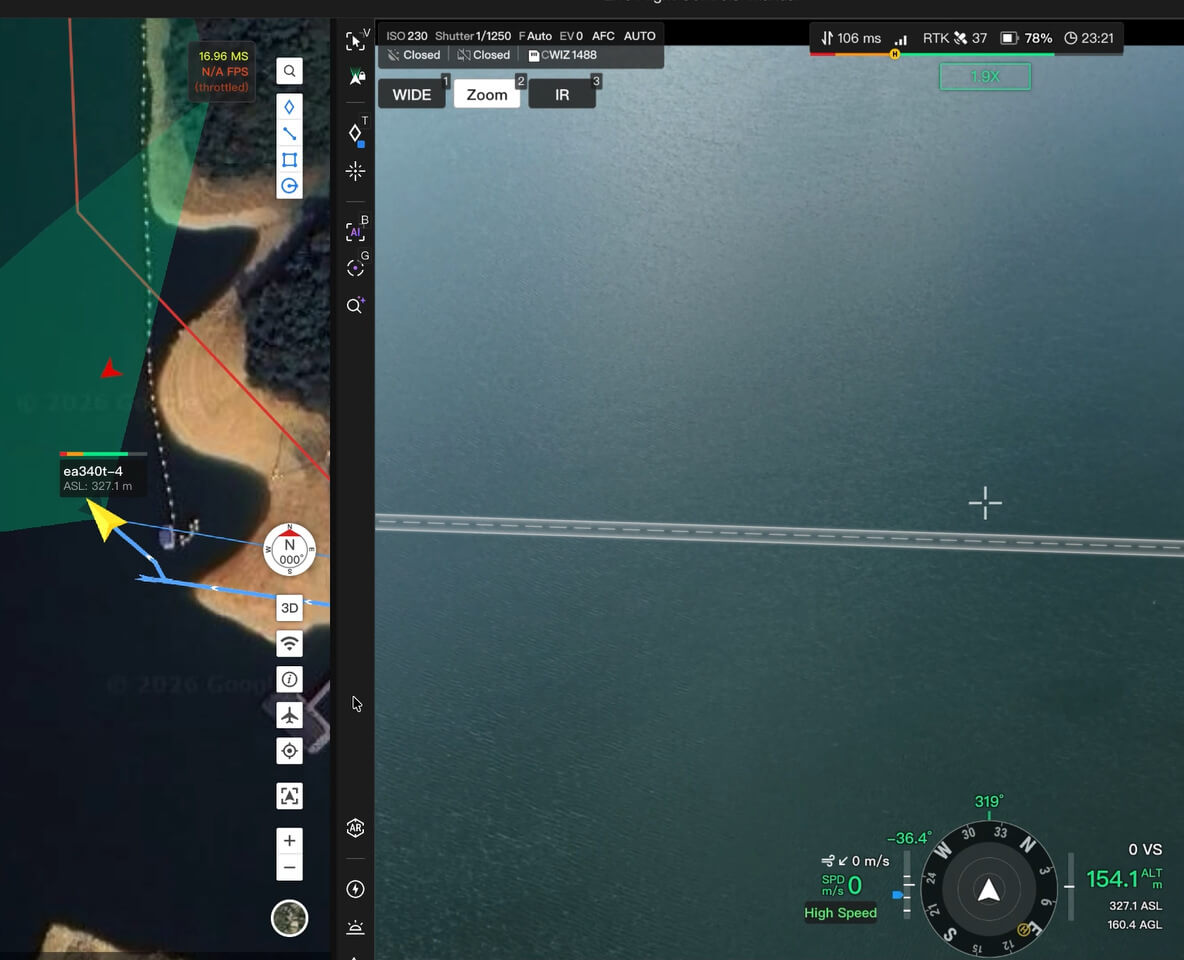
You do. The imagery, video, maps and reports collected at your sites are your data.
Q19Who can see our data?
Only the people you authorize. Access can be set by site, team or role, so each user sees only what they need.
Q20Where is our data stored?
Data is managed through a secure fleet management platform. For organizations with strict IT policies, on-premises options are available that keep data on your own servers. We’ll review your requirements during the briefing.
Q21How is data protected?
Data is transmitted and stored securely, access is controlled by user permissions, and every mission produces a full audit trail of flight logs and chain-of-custody records.
Q22Can the data go into our own systems?
Yes. Data can be delivered to your GIS, asset management or project systems.
Q23What about privacy for people near our sites?
Missions are planned to focus on your sites and assets, and routes and geofences keep flights within defined areas. We follow Canadian privacy requirements in how data is collected and handled.
Q24We have concerns about the drone manufacturer. What are our options?
We understand that some organizations have specific policies on drone origin and supply chains. We’ll discuss your requirements and the options available, including NDAA-compliant platforms where needed.
Regulations
Q25Is remote drone operation legal in Canada?
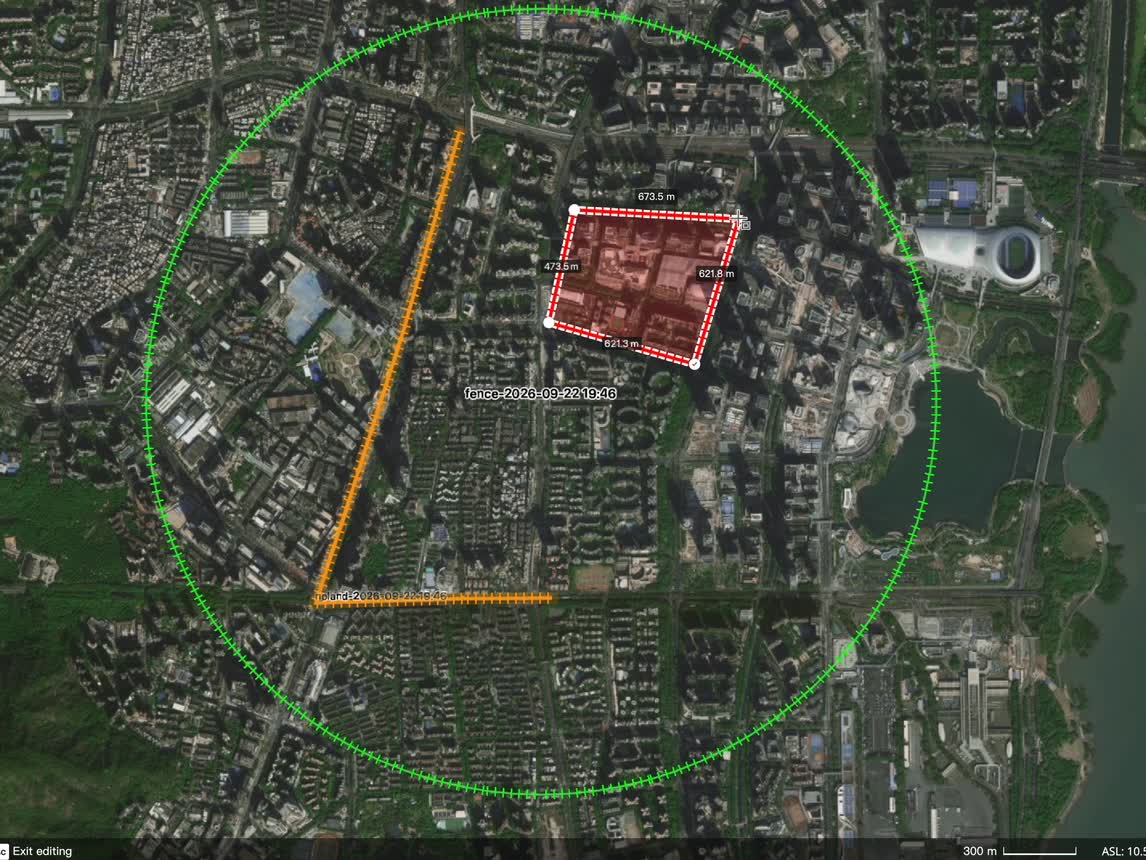
Yes. Drone operations in Canada are regulated by Transport Canada, and the ROC operates under that framework with licensed RPAS pilots and the required flight authorizations.
Q26Do we need to get approvals ourselves?
No. The ROC team handles flight authorizations, airspace coordination, operational procedures and documentation for your sites.
Q27Are our pilots certified?
Yes. Every mission is overseen by Transport Canada–licensed RPAS pilots.
Q28Can drones fly beyond visual line of sight (BVLOS)?
Transport Canada’s rules allow some beyond-visual-line-of-sight operations under specific conditions and certifications. More complex operations need special flight authorizations. We’ll review what applies to your sites during the site assessment.
Q29What about airports and controlled airspace?
Every site is checked for nearby airports, controlled airspace and other restrictions. These can affect how and when a site goes live, so they’re reviewed early.
Q30Does drone data help with our own regulatory requirements?
It can. Drone data supports inspections, monitoring, repair verification and record-keeping. Check with your compliance team and regulator which methods count toward your specific obligations.
Q31Is the operation insured?
Yes. The ROC operates with commercial UAV insurance.
Jobs and your team
Q32Will remote drones replace our workers?
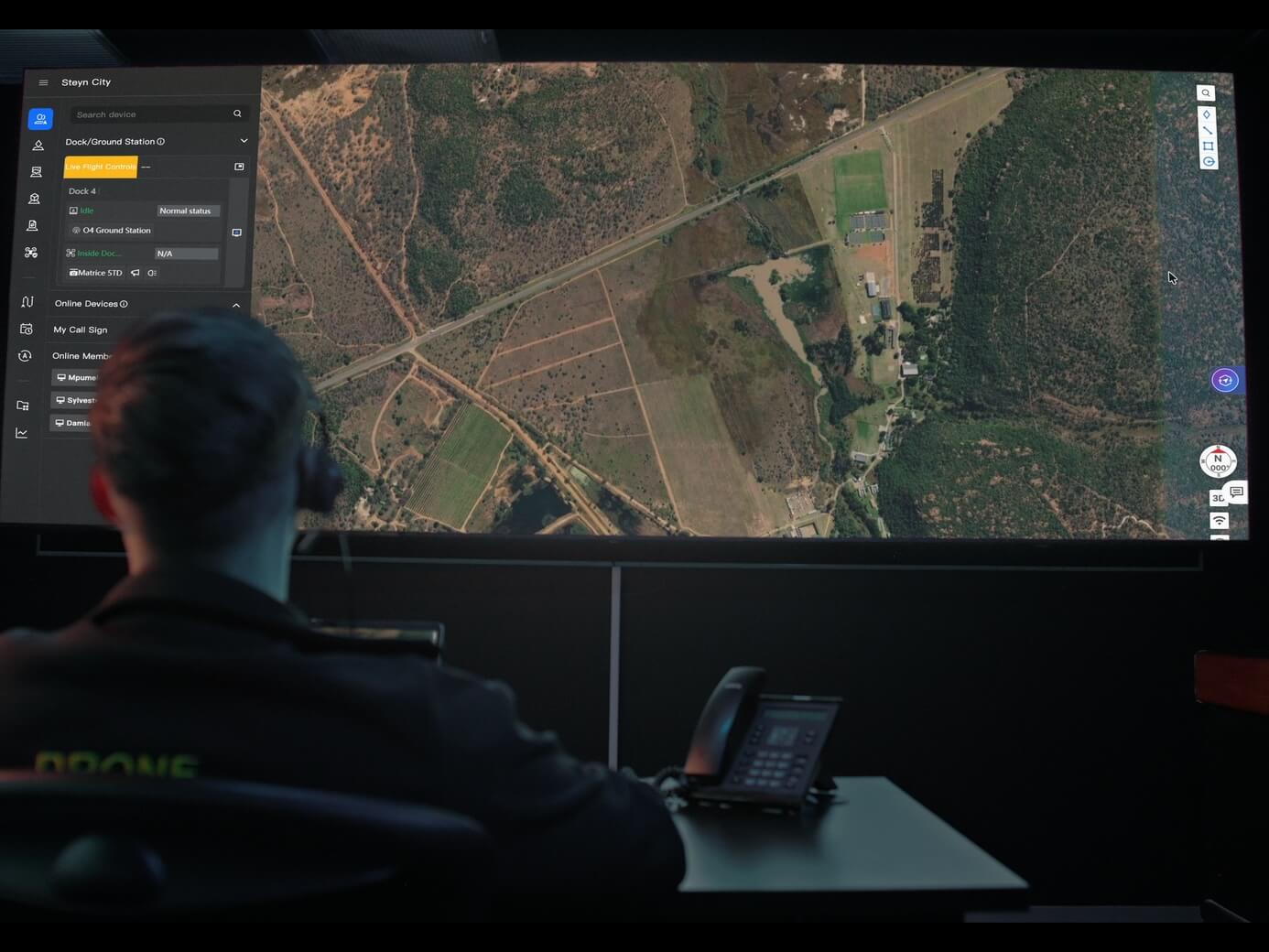
No. The ROC takes over the repetitive, time-consuming and risky parts of data collection, like driving to remote sites, walking assets and checking alarms at night. Your people focus on analysis, decisions, repairs and the work that needs their expertise.
Q33Will our inspectors and technicians still be needed?
Yes. Drones collect the data, but your team decides what it means and what to do about it. Crews still do the repairs, maintenance and follow-up, and they go where they’re needed instead of everywhere on a fixed schedule.
Q34Will security guards still be needed?
In most cases, yes. The ROC works alongside your security team and cameras. It adds aerial coverage, faster alarm response and fewer unnecessary call-outs, so guards can focus on what needs a person.
Q35Does our team need training?
No drone training is needed. Your team only needs to know how to view the data, alerts and reports, and we’ll show you.
Q36Do we need to hire anyone?
No. Licensed pilots, maintenance and data processing are all part of the service.
Q37How does this make work safer?
- Fewer drives to remote sites
- Less climbing and work at height
- Less time near energized, hot or hazardous equipment
- No one sent alone to check alarms at night
- Crews arrive knowing what they’re dealing with
Cost
Q38How much does the ROC cost?
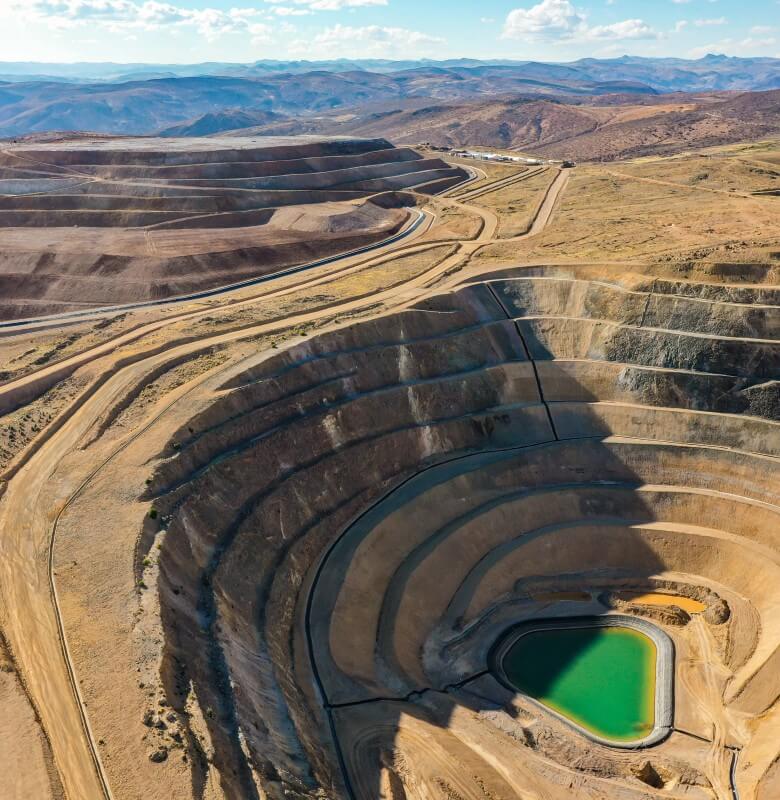
Pricing depends on the number of sites, the types of mission, how often missions run and the service level. Most programs are a predictable monthly fee. We’ll give you a quote after the briefing.
Q39Do we have to buy any equipment?
No. We supply, install and maintain all the equipment.
Q40What’s included in the fee?
- Drones, docks and accessories
- Site assessment, installation and commissioning
- Licensed pilot oversight, 24/7/365
- Mission planning and scheduling
- Maintenance, repairs and hardware upgrades
- Data processing and delivery
- Flight records and compliance documentation
Q41Is it an operating expense or a capital expense?
Service fees are generally treated as an operating expense, which usually means faster approval than a capital purchase. Your finance team can confirm the accounting treatment for your organization.
Q42How does it compare with running our own drone program?
Running your own program means buying equipment, hiring and certifying pilots, managing maintenance, getting approvals, processing data and replacing hardware every few years. The ROC covers all of that in one service, with no capital outlay and no added headcount.
Q43Where do the savings come from?
- Fewer truck rolls to remote sites
- Less time spent on routine inspections and alarm checks
- Earlier detection of problems, before they turn into failures
- No capital spending on drones and equipment
- No pilot hiring, training or turnover costs
Q44Can we start small?
Yes. Most clients start with one site and one or two missions, then expand once they’ve seen the results.
Getting started
Q45What does our site need?
Typically an open area, a stable power supply, a network connection and a level mounting surface. We’ll provide a detailed checklist.
Q46How long does it take to get started?
Most programs launch in weeks, not quarters. We’ll give you a site-by-site timeline after the site assessment.
Q47What’s the first step?
Book a ROC briefing. We’ll learn about your sites and goals and recommend a program.
Q48Which industries does the ROC serve?
Oil and gas, mining and surveying, energy and utilities, construction, and public safety and municipal facilities.
Q49Where does the ROC operate?
Across Canada, with service points in Mississauga, Ottawa, Calgary, Burnaby and Montréal.
Still have questions?
Our team is happy to answer them. Book a ROC briefing and we’ll walk through your sites, your questions and how the ROC would work for you.
Request a briefing with the ROC form below or call 416-303-3575.
ROC program
Talk to the ROC team
Shop the story
Related products in our catalog
Every product below is stocked and supported by Remote Robotic in Canada.
- DJI Dock 4
DJI Dock 4
DJI's first battery-swapping dock — ~25-second swaps for 24/7 operations, −40°C to 50°C, IP56. Pairs with the Matrice 5TD.
View product → - DJI Matrice 5TD
DJI Matrice 5TD
Dock 4 aircraft with wide + 1280×1024 thermal cameras, mmWave radar and LiDAR — 59 min flight, 3,000 m laser rangefinder.
View product → - DJI Dock 3
DJI Dock 3
Automated dock for Matrice 4D and Matrice 4TD remote inspection programs.
View product → - DJI Matrice 4TD
DJI Matrice 4TD
Dock-native thermal M4TD with NIR aux light — night-ops DFR and thermal patrol.
View product →