
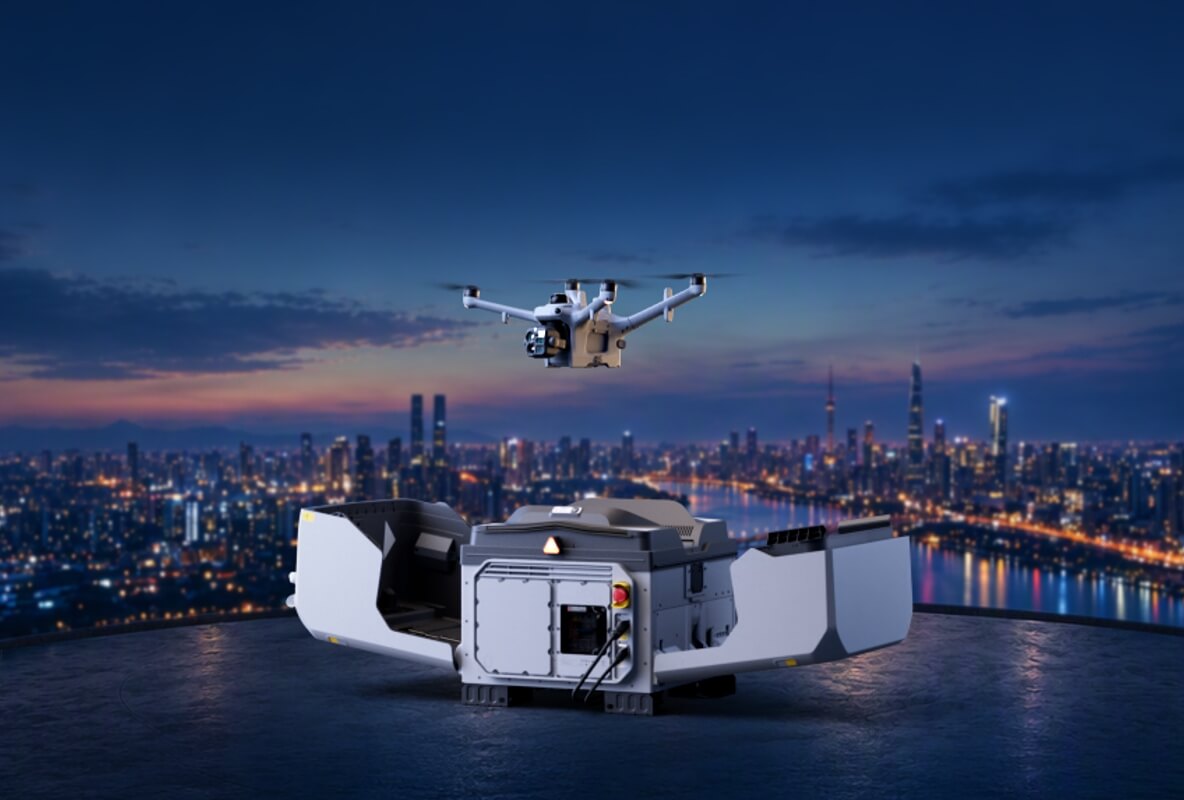
ROC – Remote Operation Center
What Is a Remote Operations Center (ROC)? A Guide to Drone as a Service in Canada
What a Remote Operations Center is, how Drone as a Service works, what a ROC can do across industries, and how Remote Robotic's ROC supports Canadian industrial sites.
Remote Robotic · October 28, 2026 · 10 min read
Drones have become a standard tool for inspecting, mapping and protecting industrial sites. But for most organizations, the hard part isn’t the drone. It’s everything around it: buying equipment, hiring and certifying pilots, getting approvals, maintaining the fleet, processing data and keeping it all running every day, at every site.
A Remote Operations Center (ROC) solves that. Instead of building your own drone program, you subscribe to one.
This guide explains what a ROC is, how it works, what it delivers, and how Remote Robotic’s ROC supports industrial operations across Canada.
What is a Remote Operations Center?
A Remote Operations Center is a central command centre that runs drone missions at sites in many locations, without pilots or crews on site.
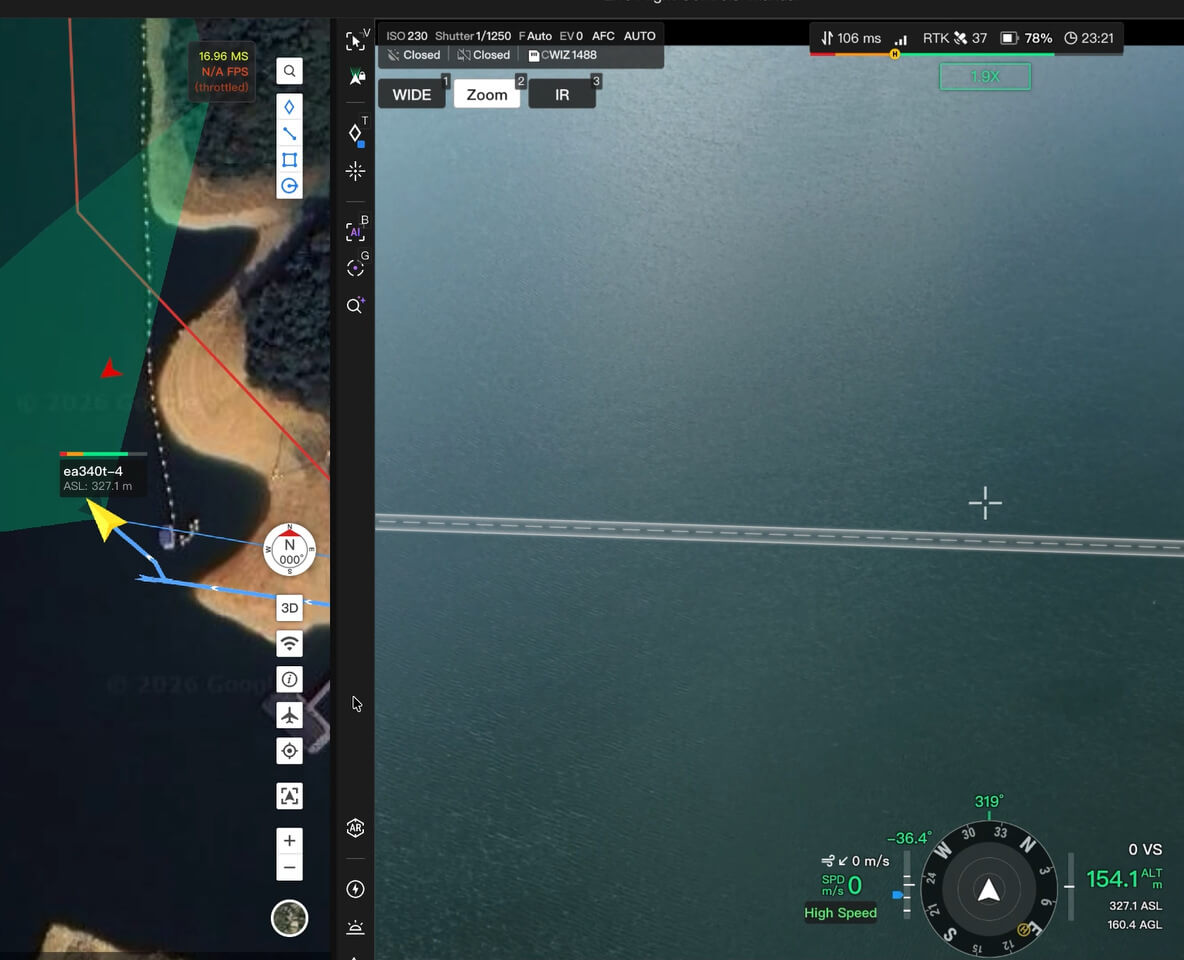
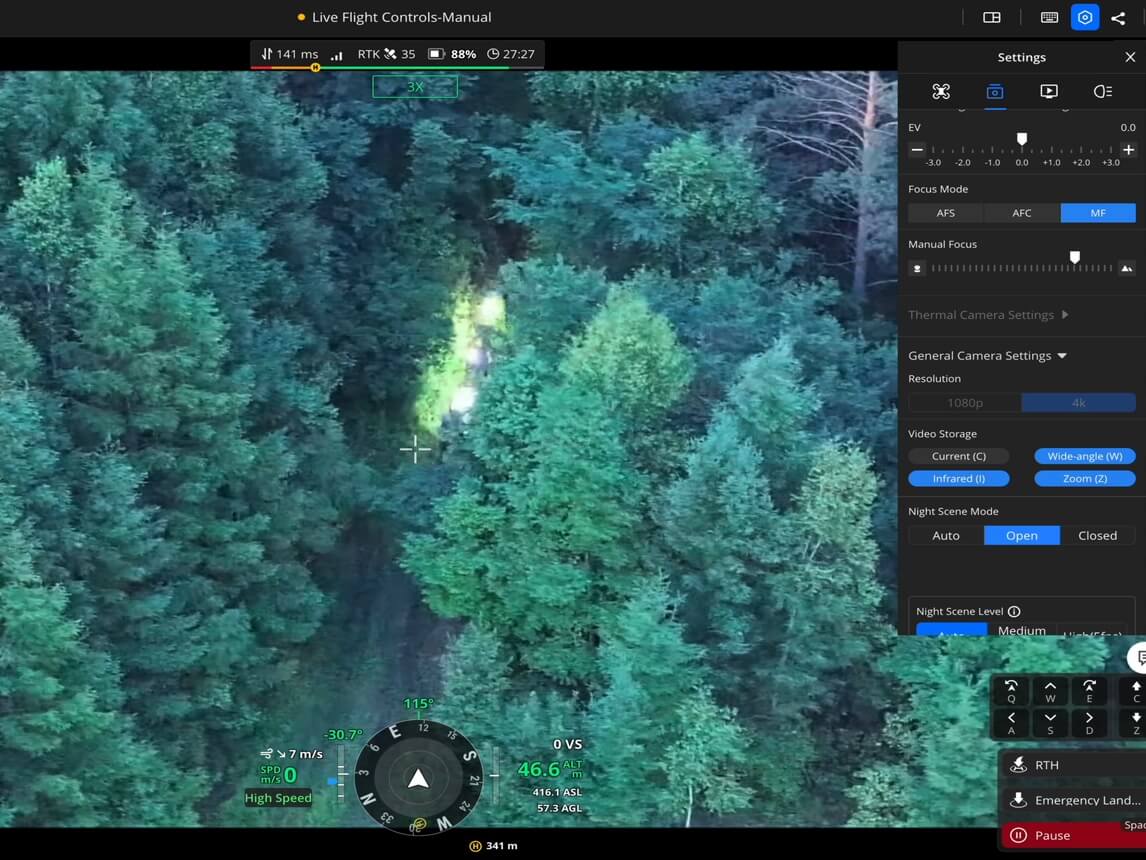
Automated drones are based at each site. They launch, fly their missions, land and recharge on their own. Licensed pilots at the ROC oversee every flight remotely, watching live video, monitoring the aircraft and taking control whenever a mission needs it. The data comes back to your team after every mission.
In short: we supply the drones, we fly them, and you get the data.
What is Drone as a Service?
Drone as a Service (DaaS) is the business model behind the ROC. Instead of buying drones and running a program yourself, you subscribe to the results: scheduled inspections, patrols, maps, thermal data and reports.
| Owning a drone program | Drone as a Service with the ROC | |
|---|---|---|
| Equipment | You buy and maintain it | Supplied and maintained by us |
| Pilots | You hire, train and certify them | Licensed pilots included |
| Approvals | You manage them | We handle them |
| Maintenance | Your responsibility | Included |
| Data processing | Your software and staff | Included |
| Cost | Capital purchase plus ongoing costs | One predictable monthly fee |
| What you get | A drone program to run | The data you need |
How the ROC works
- 01
Drones are based on your site
Automated drone docks are installed at your sites. Each dock houses a drone, protects it from the weather, charges it and launches it when a mission starts.
- 02
Missions are planned once
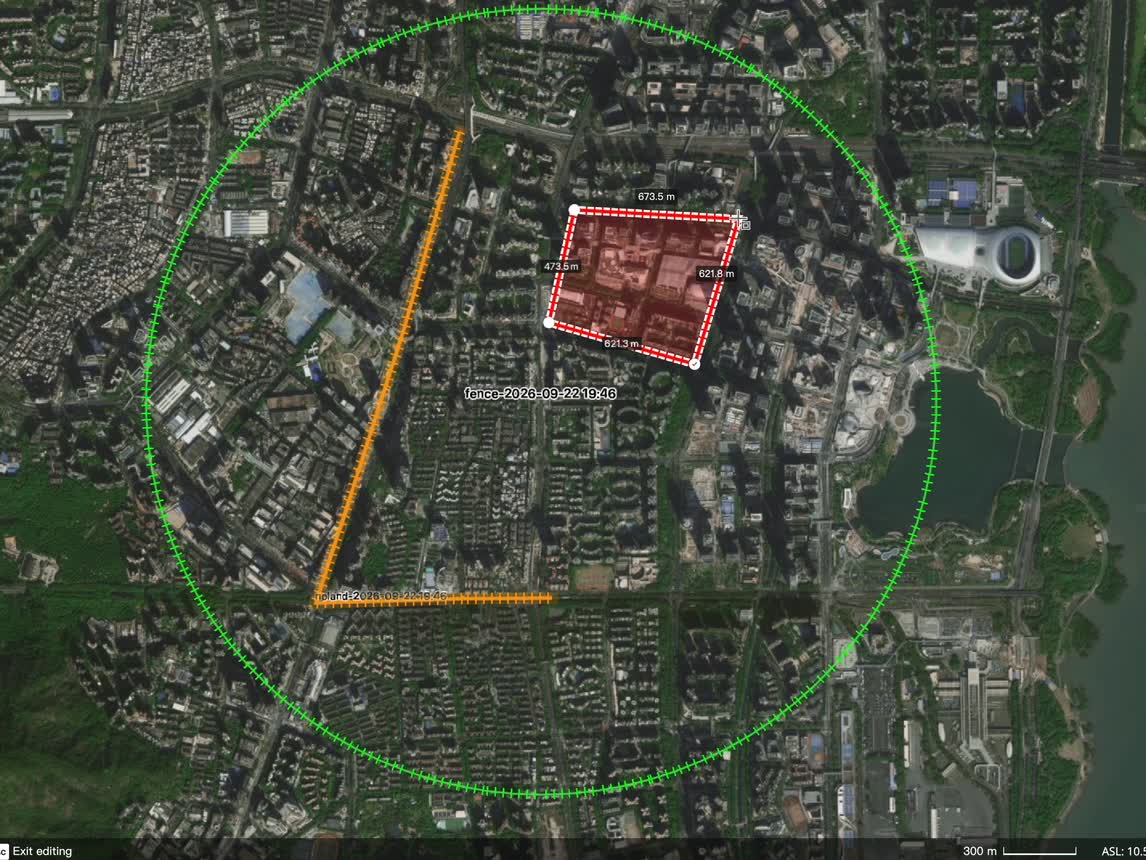
Routes are built around your actual assets, such as wellheads, substations, stockpiles, fence lines and pipeline corridors, and saved for repeat use.
- 03
Missions run automatically
Missions launch on a schedule, from an alarm, or whenever your team requests one. Before every flight, the system checks the weather and holds the mission if conditions aren’t safe.
- 04
Licensed pilots oversee every flight
Transport Canada–licensed RPAS pilots at the ROC monitor every mission live and can take control at any time. The ROC is staffed 24/7/365.
- 05
Data is delivered automatically
Imagery, thermal data, maps, 3D models and alerts are processed and delivered to your team, and can feed into your GIS or asset management systems.
- 06
Your team acts on the results
Crews go out only when there’s a confirmed issue, and they know exactly where to go.
What the ROC can do
Inspections
Scheduled visual and thermal inspections of equipment, structures and facilities, captured from the same position and angle every time.
Security
Automated perimeter patrols, alarm-triggered response, AI detection of people and vehicles, and night coverage with thermal imaging.
Mapping and volumetrics
Orthomosaics, 3D models and stockpile volumes on a regular schedule.
Thermal monitoring
Radiometric thermal data to find hot spots, failing equipment and abnormal temperatures, with automatic alerts.
Corridor patrols
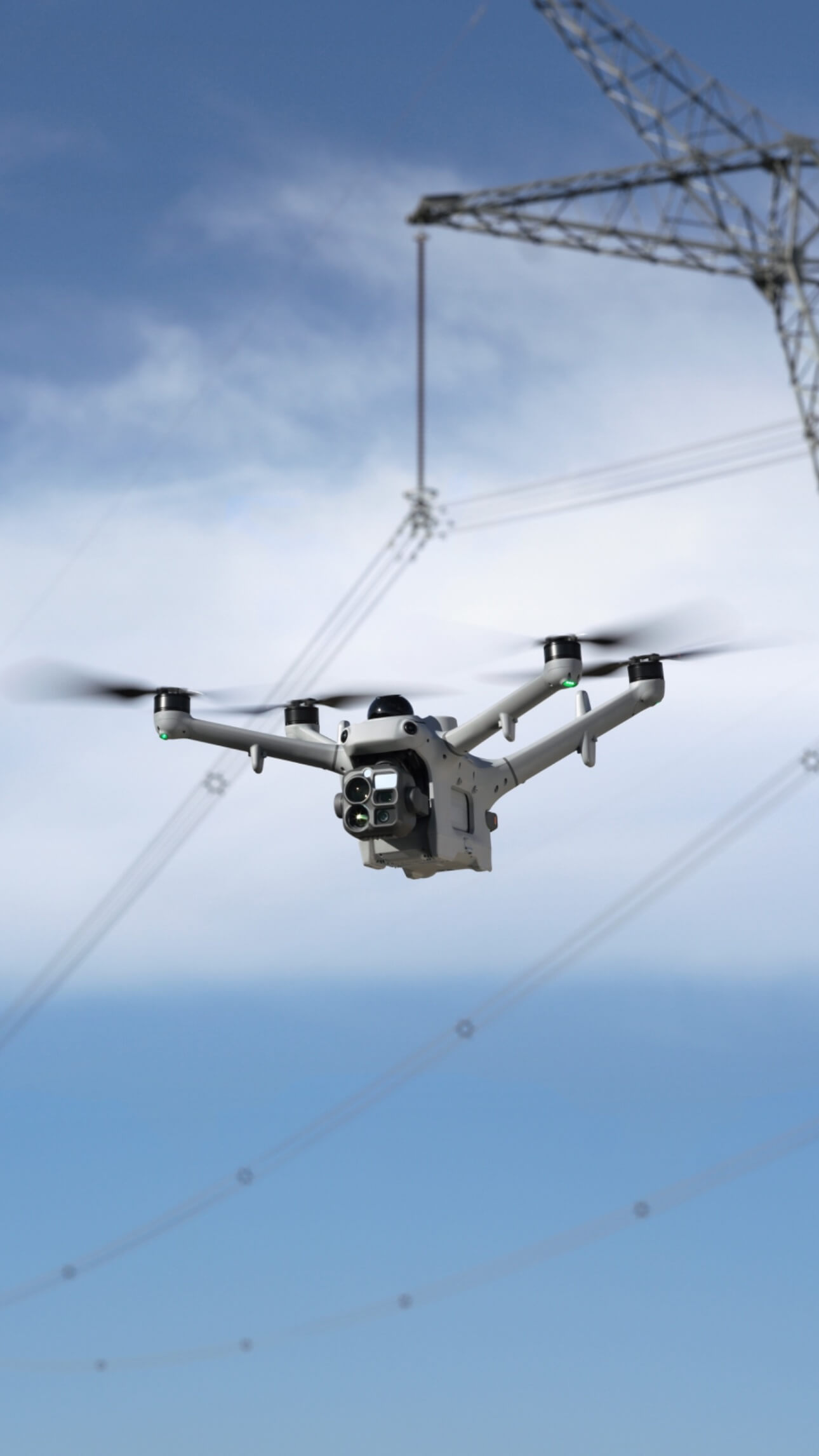
Repeat flights along pipelines, transmission lines and access roads to spot encroachment, erosion and damage.
Incident response
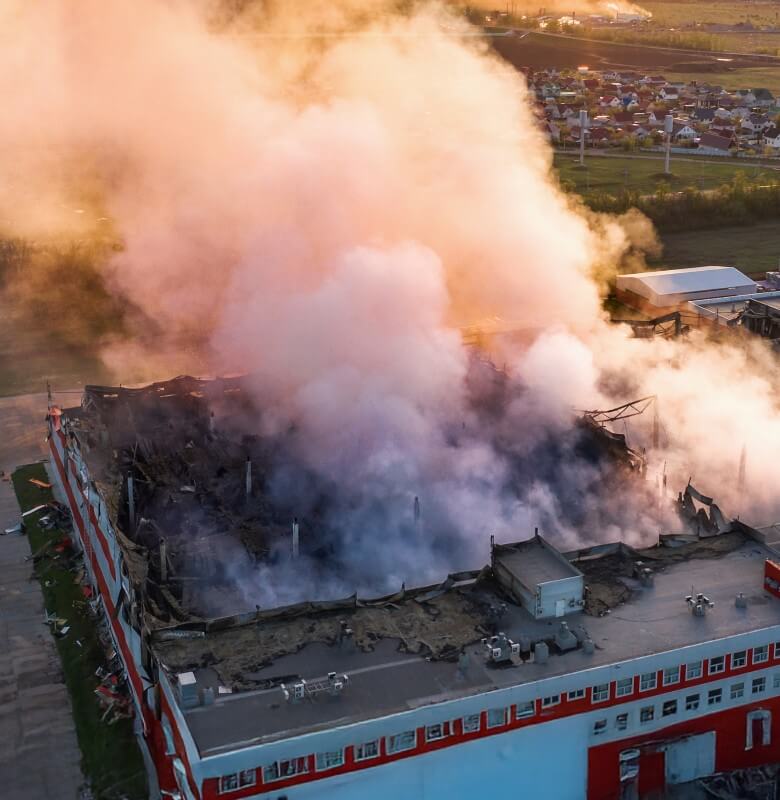
Live aerial and thermal video during fires, releases, storms and security events.
Change detection
AI compares repeat flights and highlights what’s different since the last mission.

Who uses a ROC?
| Oil and Gas | Well site inspections, flare checks, pipeline patrols, equipment thermal monitoring and site security. |
|---|---|
| Mining and Surveying | Stockpile volumes, post-blast surveys, slope and tailings monitoring, conveyor inspections and site security. |
| Energy and Utilities | Substation thermal inspections, transmission corridor patrols, solar and wind farm monitoring, and storm response. |
| Construction | Progress capture, volumetrics, BIM updates and after-hours security. |
| Public Safety and Municipalities | Incident support and monitoring of critical infrastructure and municipal facilities. |
Why organizations choose a ROC
- Safety: No crews driving to remote sites for routine checks, no climbing, and no one sent alone to check an alarm at night.
- Consistency: The same route, angle and settings on every flight, so data can be compared over time.
- Frequency: Data collected hourly, daily or weekly, not just when a crew is available.
- Speed: Drones launch automatically when an alarm goes off, with live video to your team.
- Scalability: Many sites run from one operations centre, with one standard and one data platform.
- Cost: No capital purchase, no pilots to hire and no maintenance to manage, just one predictable monthly fee.
- Focus: Your team uses the data instead of running a drone department.
ROC vs other approaches
| Manual inspections | In-house drones | Drone contractor | ROC | |
|---|---|---|---|---|
| People on site | Yes | Yes | Yes | No |
| Frequency | Low | Limited by staff | When booked | Hourly to monthly |
| Consistency | Varies | Varies | Varies | Same route every time |
| Response to alarms | Hours | Depends on staff | Days | Automatic launch |
| Night coverage | Limited | Limited | Limited | 24/7 |
| Equipment ownership | n/a | Yours | Contractor’s | Ours |
| Scaling to more sites | More crews | More pilots and equipment | More bookings | Add sites to the plan |
What’s included in Remote Robotic’s ROC
- Drone as a Service: aircraft, docks, payloads and ground infrastructure supplied by us
- Turnkey deployment: site surveys, flight authorizations, installation, network commissioning and maintenance
- Licensed pilots: missions overseen from our Canadian operations centre
- 24/7 fleet monitoring: automatic weather holds and missed-mission escalation
- Scheduled missions: inspections, patrols, volumetrics, thermal surveys and facility rounds
- Data delivery: orthomosaics, 3D models, thermal data and reports, delivered to your GIS or asset systems
- Compliance: flight records and chain-of-custody documentation
- Hardware support: OEM-tier support with direct engineering escalation
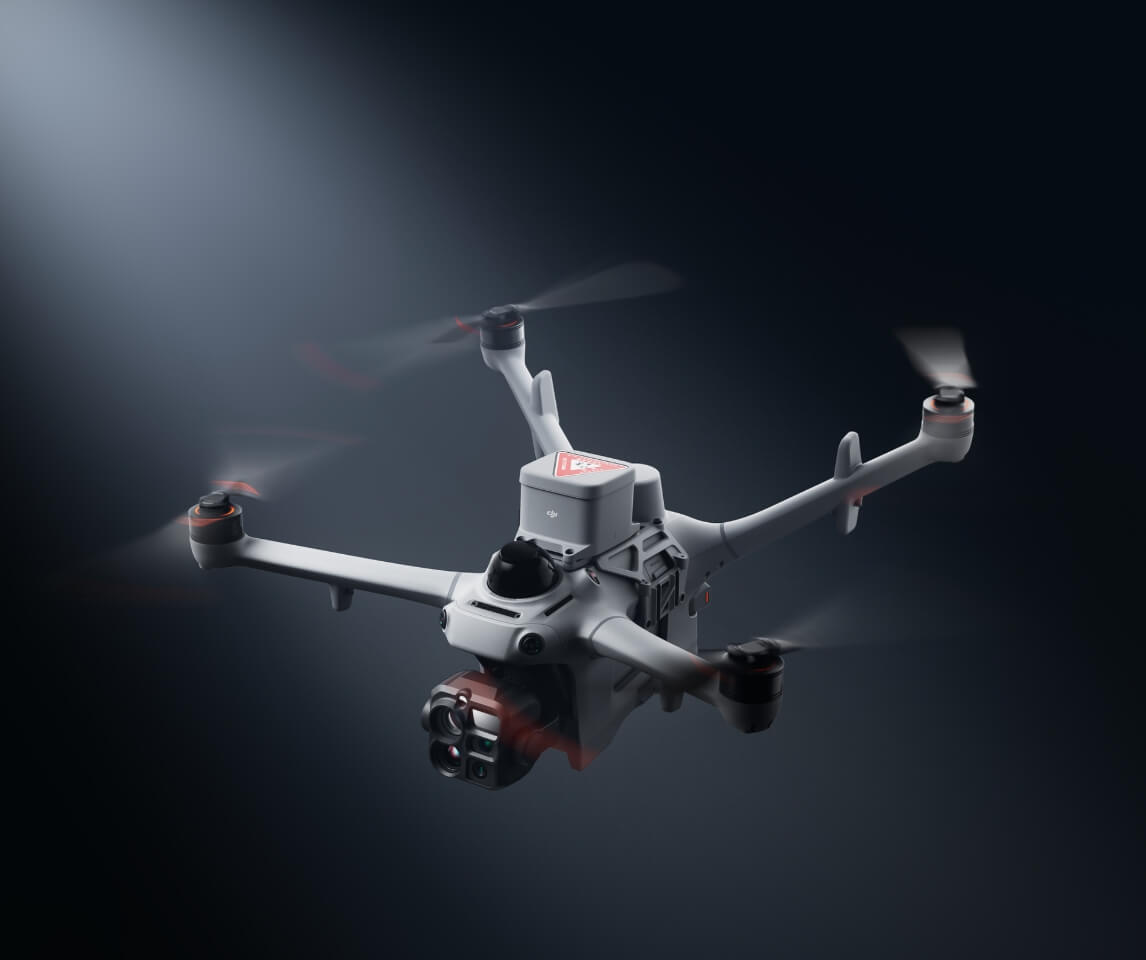
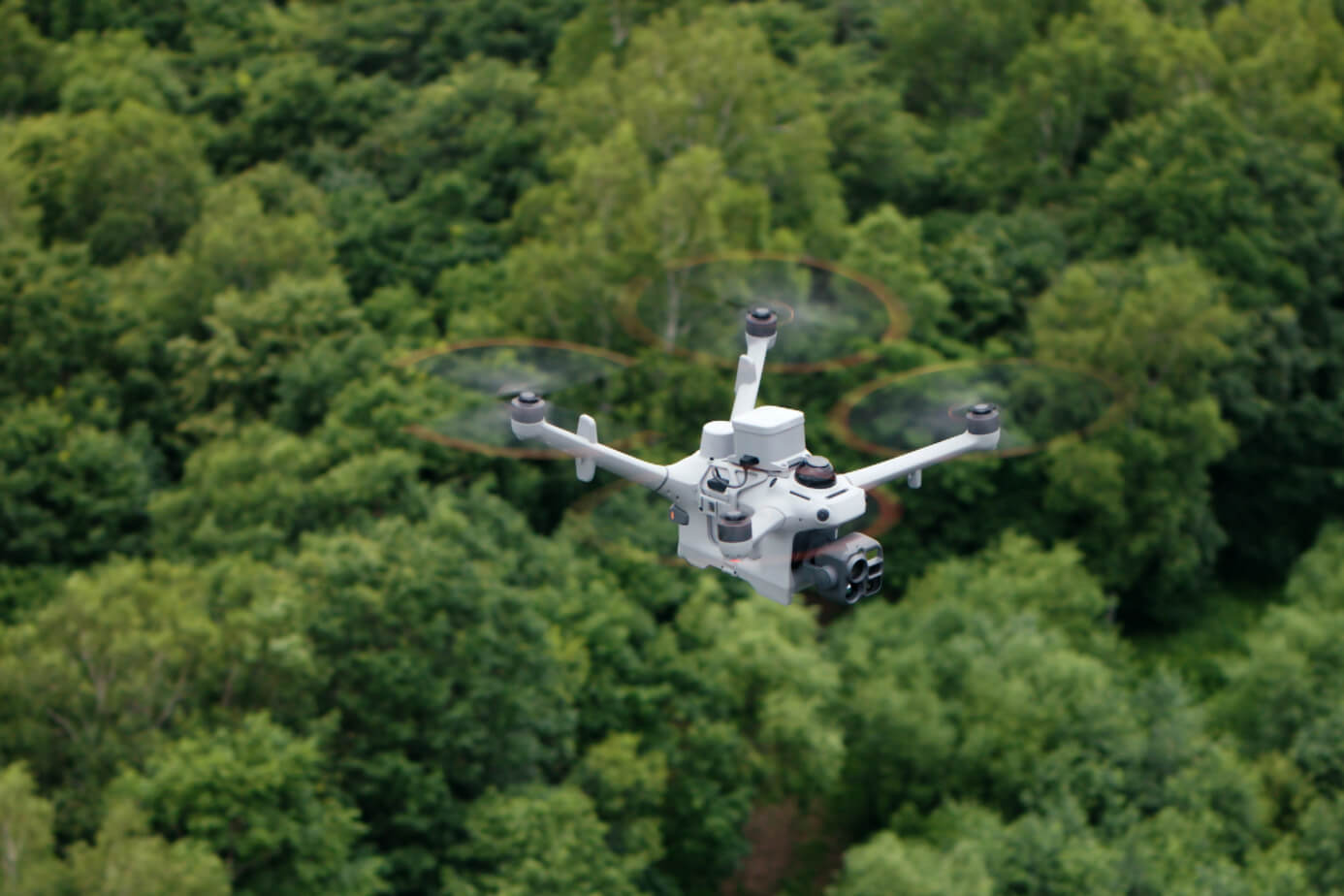
ROC programs run on DJI Dock 4 with the DJI Matrice 5TD, and on DJI Dock 3 with the DJI Matrice 4TD.
Built for Canada
- Licensed Canadian pilots under Transport Canada rules
- Cold-weather operations, with automatic weather holds
- Service points in Mississauga, Ottawa, Calgary, Burnaby and Montréal
- 24/7/365 operations, with service levels from best-effort to guaranteed dispatch
- 100% Canadian owned
How to get started
- 01
Book a ROC briefing: tell us about your sites and goals.
- 02
We design your program: missions, schedules and deliverables.
- 03
We assess your sites: placement, power, connectivity and airspace.
- 04
We handle approvals and installation.
- 05
Missions go live: we review the first results with you.
- 06
You get the data, on schedule, every time.
Related articles
- How to Get Started with the ROC: From Briefing to First Mission
- Drones as an Operating Expense, Not a Capital Project
- Automated Drone Operations: Repeatable Data, Fewer People in Harm’s Way
- Safer Sites with Remote Drone Operations
- From Monthly to Hourly: Data Frequency with the ROC
- One Operations Center, Every Site: Scaling with the ROC
- Thermal Monitoring with the ROC
- Remote Site Security with the ROC
Frequently asked questions
What is a Remote Operations Center?
A central command centre that runs automated drone missions at many sites remotely, with licensed pilots overseeing every flight.
What is Drone as a Service?
A model where you subscribe to drone data and services instead of buying equipment and running your own program.
Do we need pilots on site?
No. Licensed pilots oversee every mission remotely from the ROC.
Do we need to buy drones?
No. We supply, install and maintain all the equipment.
What does a site need?
Typically a power supply, a network connection, a level pad and open sky. We’ll give you a detailed checklist.
How often can missions run?
As often as you need, whether hourly, daily, weekly, monthly or on demand.
Can it work in Canadian winters?
Yes. The equipment is built for cold weather, and flights hold automatically when conditions aren’t safe.
How quickly can we start?
Most programs launch in weeks, not quarters.
Get started
See what a fully managed drone program could do for your sites. Book a ROC briefing and we’ll design a program around your operations.
Request a briefing with the ROC form below or call 416-303-3575.
ROC program
Talk to the ROC team
Shop the story
Related products in our catalog
Every product below is stocked and supported by Remote Robotic in Canada.
- DJI Dock 4
DJI Dock 4
DJI's first battery-swapping dock — ~25-second swaps for 24/7 operations, −40°C to 50°C, IP56. Pairs with the Matrice 5TD.
View product → - DJI Matrice 5TD
DJI Matrice 5TD
Dock 4 aircraft with wide + 1280×1024 thermal cameras, mmWave radar and LiDAR — 59 min flight, 3,000 m laser rangefinder.
View product → - DJI Dock 3
DJI Dock 3
Automated dock for Matrice 4D and Matrice 4TD remote inspection programs.
View product → - DJI Matrice 4TD
DJI Matrice 4TD
Dock-native thermal M4TD with NIR aux light — night-ops DFR and thermal patrol.
View product →