
Industrial Brief
DJI Dock 3 for Utilities: 24/7 Autonomous Substation, Line & Perimeter Inspection
The DJI Dock 3 for utilities — 24/7 autonomous substation thermal rounds, line patrols, and perimeter security with the Matrice 4TD. IP56 dock, -30°C, vehicle-mountable, FlightHub 2. Verified specs and Canadian use cases.
Remote Robotic · July 28, 2026 · 8 min read
Last verified against DJI's published Dock 3 specifications: July 2026.
Why the Dock 3 Fits Utility Inspection
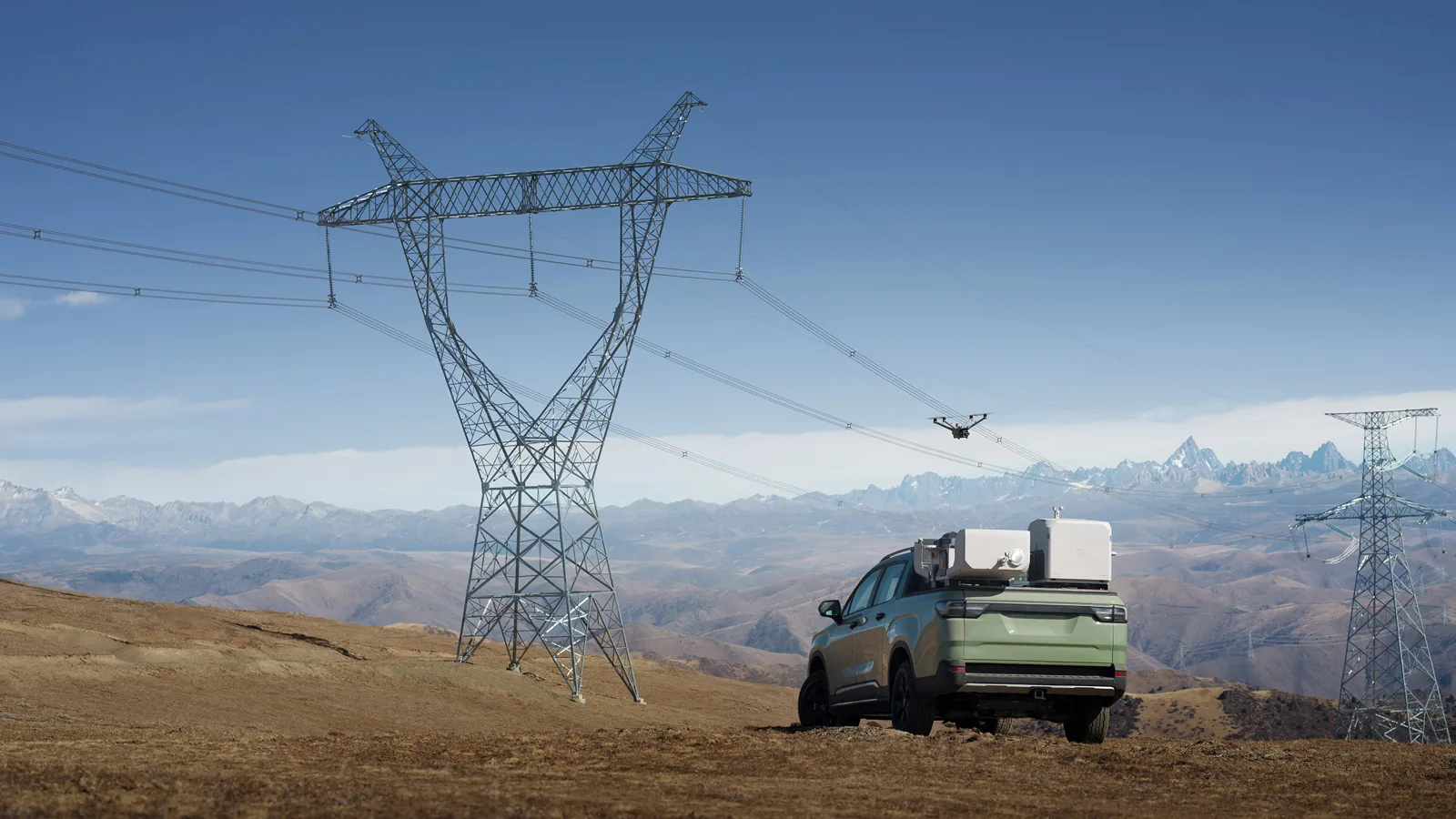
Utility networks are geographically enormous and largely unmanned — substations, switchyards, and line segments spread across a service territory where the cost of inspection is getting a technician there. A scheduled thermal round on a substation two hours from the depot is easy to defer until something fails. A dock removes that cost by putting the aircraft on site permanently: it launches on schedule, flies the same route every time, and streams thermal and visual data to a control room without a truck roll.
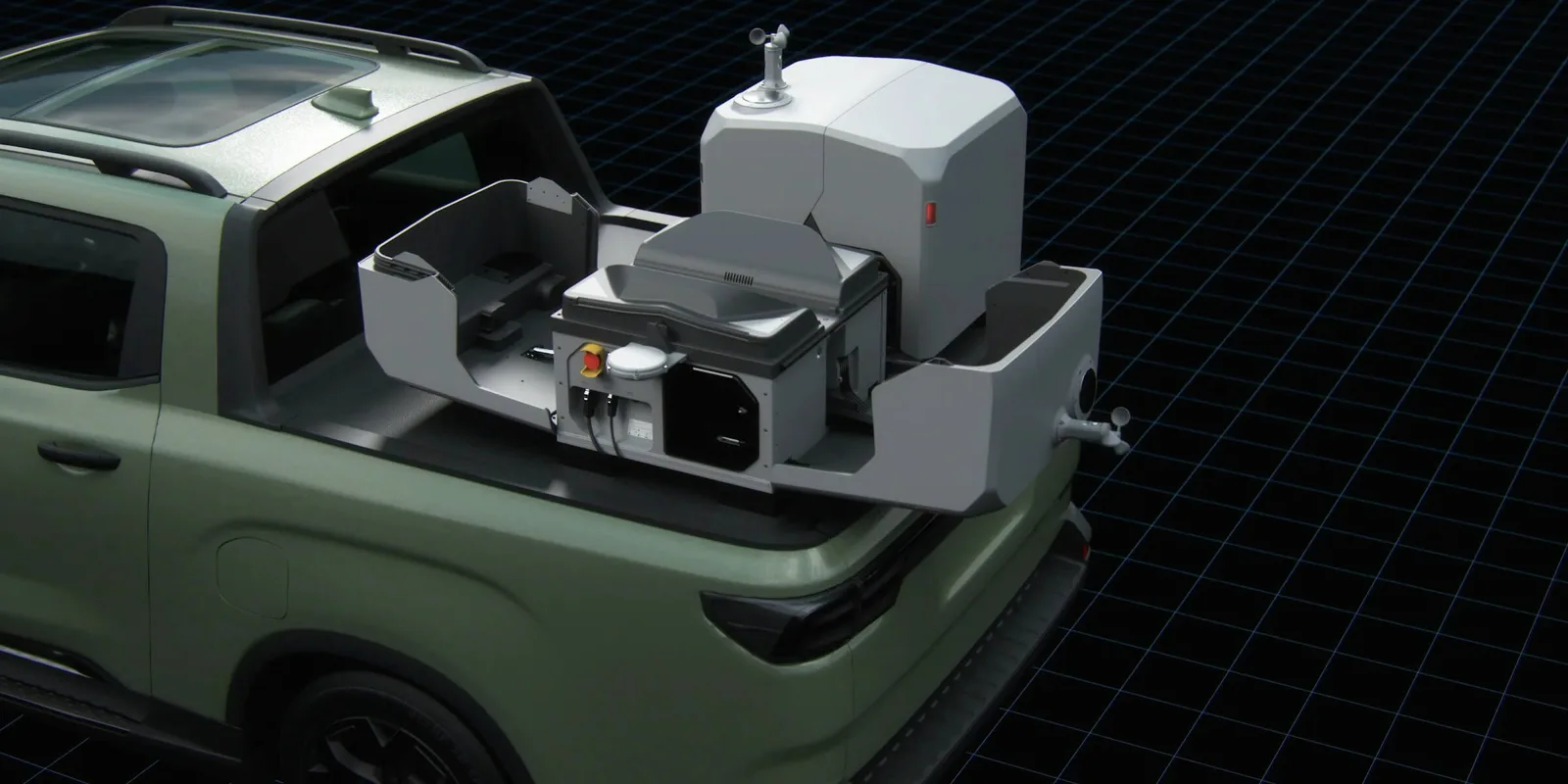
The Dock 3 is built for the conditions that make Canadian utility assets hard to cover consistently. It carries an IP56 ingress rating, operates from -30°C to 50°C, and includes onboard wind, rain, temperature, and water-immersion sensors so it only launches when conditions are safe. A backup battery keeps it running over 4 hours through a power interruption — useful when the asset it watches is itself an electrical facility — it charges the aircraft from 15% to 95% in 27 minutes, and it can be vehicle-mounted for temporary deployment. Through DJI FlightHub 2, one control room can run rounds across many substations.
The Operational Advantage
| Utility job | What the Dock 3 brings | Platform / catalog |
|---|---|---|
| 24/7 autonomous substation rounds | Scheduled thermal + visual rounds, no pilot on site | DJI Dock 3 + Matrice 4TD |
| Recurring equipment thermal trending | Fixed-cadence radiometric checks on transformers, bus | Matrice 4TD (640 × 512 thermal) |
| Distribution & line patrols | Automated visual patrols with 112x zoom | Matrice 4TD |
| Perimeter & security patrols | Automated day/night sweeps of substation yards | Matrice 4TD + NIR light |
| Remote-asset coverage | Aircraft lives on site; 10 km operating radius | DJI Dock 3 |
| Rapid outage / fault response | Launch-on-demand overflight from the control room | FlightHub 2 |
| Transmission corona & heavy radiometric | Solar-blind UV and large payloads on a heavy-lift aircraft | Matrice 400 |
DJI Dock 3 & Matrice 4TD Key Specifications
| Specification | DJI's published figure |
|---|---|
| Dock — ingress protection | IP56 |
| Dock — operating temperature | -30°C to 50°C |
| Dock — weight | 55 kg (without aircraft) |
| Dock — backup battery life | > 4 hours |
| Dock — aircraft charge time | 27 min (15% to 95%) |
| Dock — max landing wind speed | 12 m/s |
| Dock — onboard sensors | Wind, rainfall, ambient temp, water immersion |
| Dock — deployment | Fixed or vehicle-mounted |
| Dock — management software | DJI FlightHub 2 (and On-Premises) |
| Aircraft (Matrice 4TD) — IP rating | IP55 |
| Aircraft — operating temperature | -20°C to 50°C |
| Aircraft — max flight time | 54 min |
| Aircraft — max hovering time | 47 min |
| Aircraft — max operating radius (from dock) | 10 km |
| Aircraft — max flight distance | 43 km |
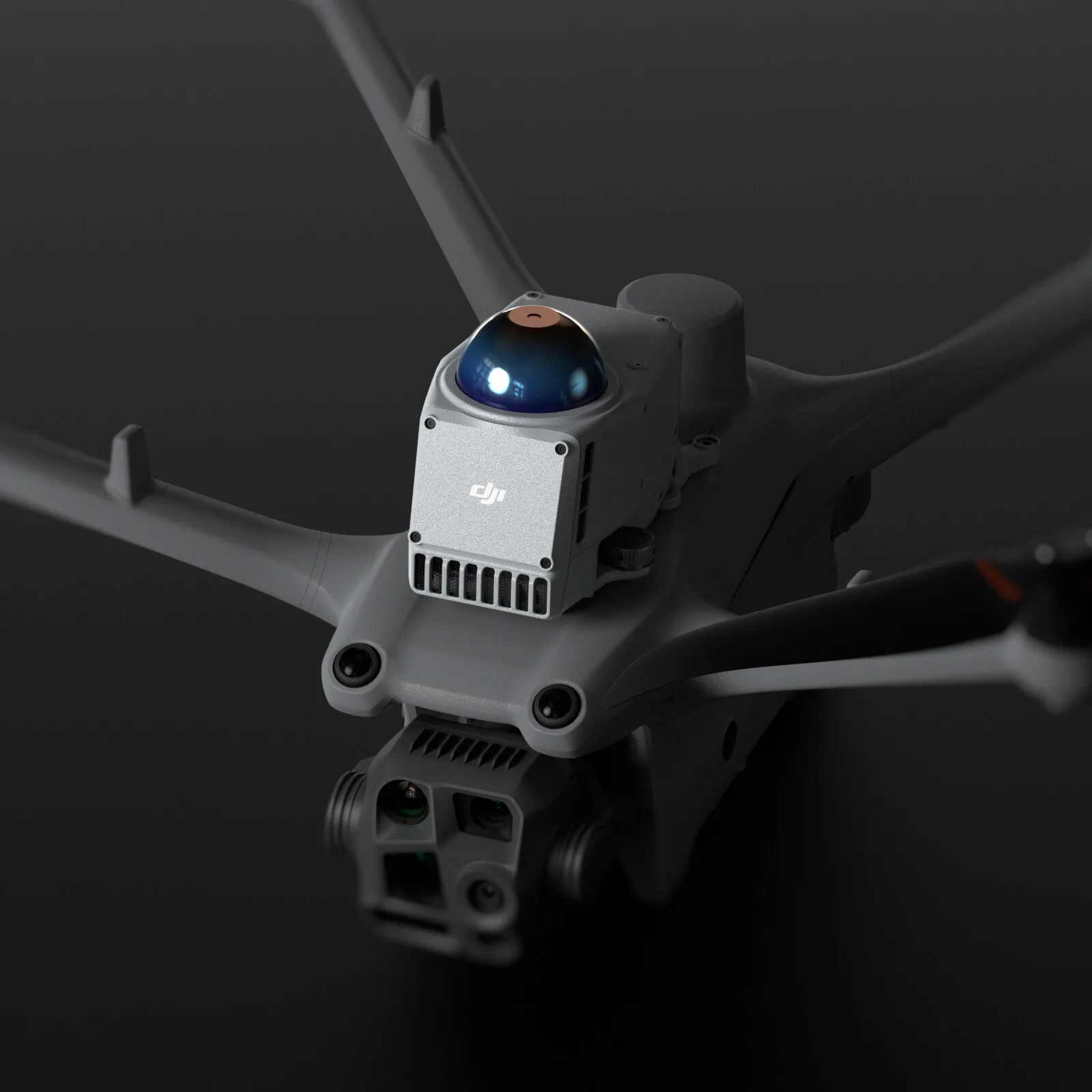
| Aircraft — thermal camera | 640 × 512 radiometric, ±2°C (high gain) |
| Aircraft — visual cameras | 48 MP; 112x hybrid zoom |
| Aircraft — laser rangefinder | 1,800 m |
| Aircraft — RTK hovering accuracy | ±0.1 m |
| Aircraft — battery | 149.9 Wh, 400-cycle, low-temp self-heating |
| Aircraft — transmission | DJI O4+ Enterprise; 25 km FCC / 12 km CE |
Per DJI's footnotes, flight and range figures were measured in controlled, windless conditions and are reference data — real-world numbers vary with wind, altitude, and firmware. Note the useful distinction for Canadian operators: the dock is IP56 and rated to -30°C, while the docked Matrice 4TD aircraft is IP55 and rated to -20°C with a self-heating battery — a genuinely all-weather inspection pairing.
What Can the Dock 3 Do on a Utility Network?
Six jobs cover most of what a dock-based program does well on a Canadian utility system. Each maps to a specific, verified capability.
1. 24/7 Autonomous Substation Rounds
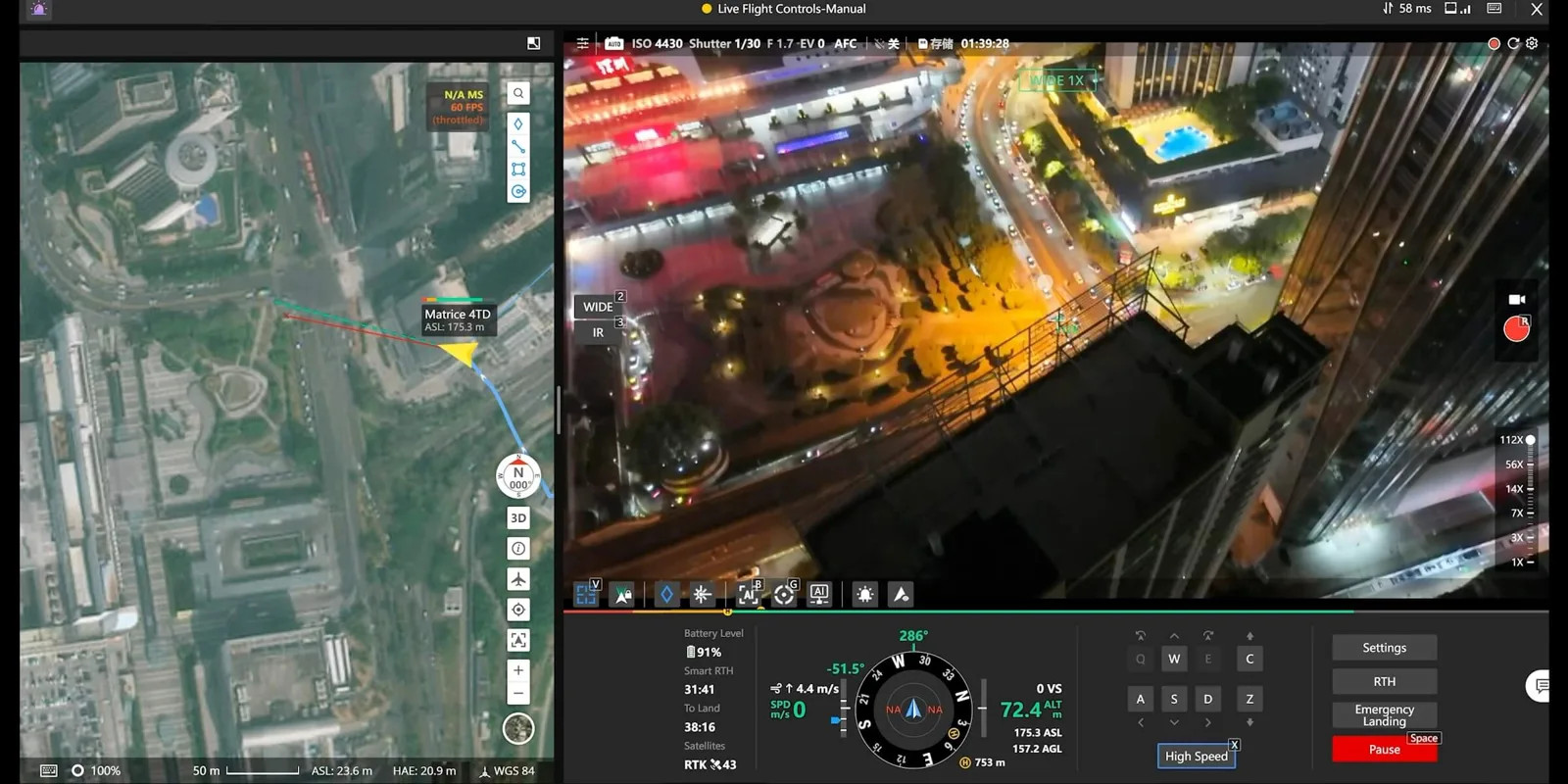
Unmanned substations still need regular eyes on equipment. The Dock 3 runs scheduled rounds with the Matrice 4TD flying the same route every time — thermal and visual capture of transformers, bushings, bus, and arrestors — and pushes the data to FlightHub 2 for review in a control room, with no technician dispatched. A round that used to require a drive now happens on a timer.
Why it matters: the same substation inspection every day, on every yard, without a truck roll or a technician on site.
2. Recurring Equipment Thermal Trending
Transformers, connections, and bus run hot before they fail, and the value of thermal is in the trend. The 4TD's 640 × 512 radiometric thermal camera captures a consistent thermal record on a fixed cadence, so a developing hot spot shows up as a rising trend across scheduled rounds rather than a surprise at the next manual scan or an outage.
Why it matters: catch thermal degradation as a trend between manual scans, on a cadence a crew can't hold.
3. Distribution & Line Patrols
Line segments and pole-top hardware near a docked asset can be patrolled automatically. The 4TD's 112x hybrid zoom reads insulators, connections, and hardware condition from a standoff on a scheduled route, extending automated coverage beyond the fence line of the substation itself.
Why it matters: automated visual patrol of nearby line and hardware, not just the yard.
4. Perimeter & Security Patrols
Substations are critical-infrastructure security targets, especially after hours. The Dock 3 runs automated day and night patrols, using the 4TD's night-scene imaging and NIR auxiliary light to sweep a yard or perimeter, and can dispatch an on-demand flight if a sensor or camera triggers an alert.
Why it matters: consistent overnight security coverage of critical assets with no guard on the ground.
5. Remote-Asset Coverage
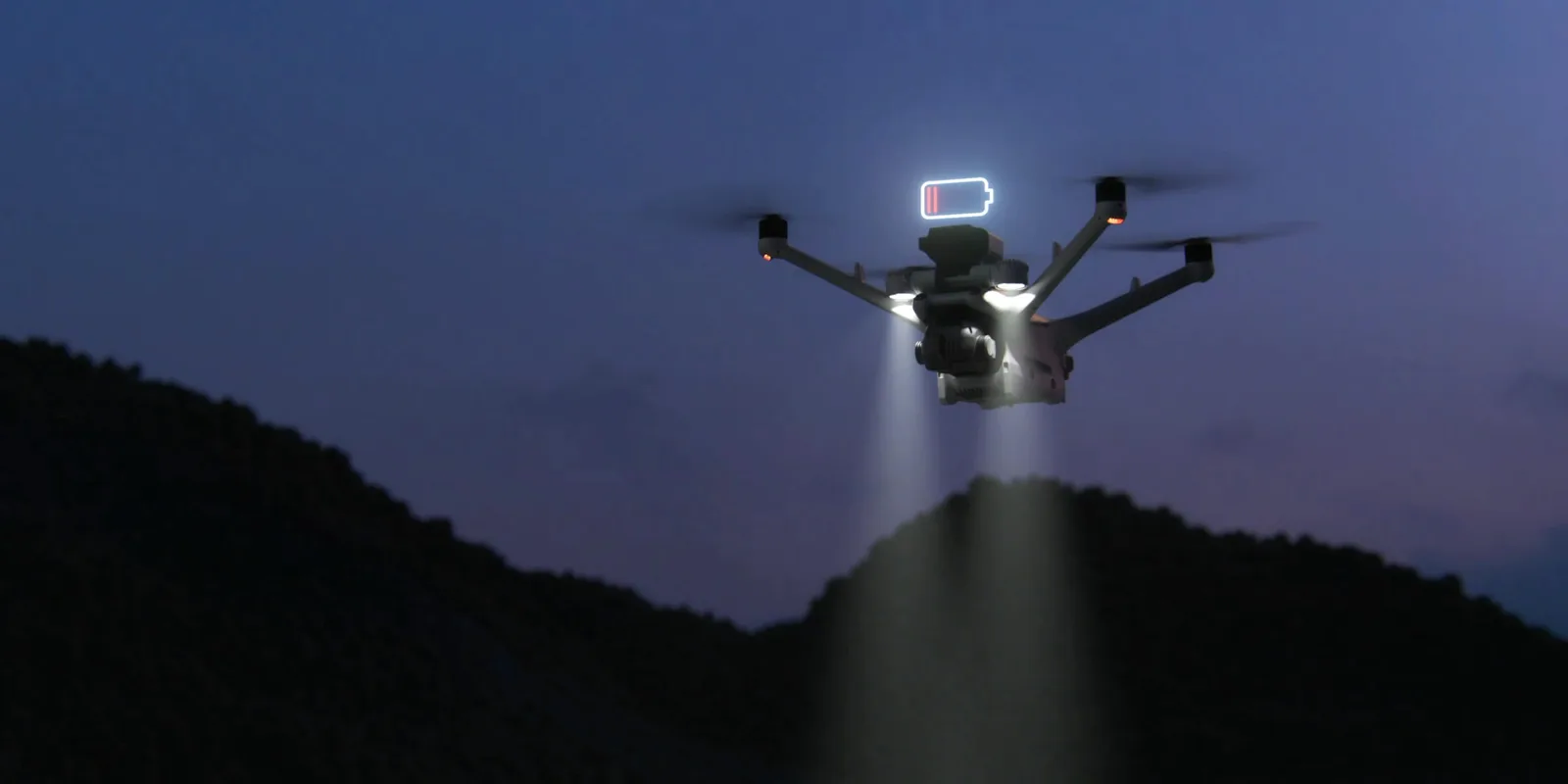
The economics of a dock are strongest where the drive time is longest. With a 10 km operating radius and vehicle-mounted deployment, the Dock 3 covers remote substations and switchyards that would otherwise see an inspector only occasionally — and a vehicle-mounted dock can be repositioned to a new site or a temporary need.
Why it matters: routine coverage of the remote assets that are too far to inspect often by crew.
6. Rapid Outage & Fault Response
When a fault or alarm trips at an unmanned substation, the Dock 3 can launch an immediate overflight from the control room, giving operators a live thermal and visual picture before anyone drives out — critical for locating a fault and prioritizing a crew response.
Why it matters: eyes on a fault within minutes of an alarm, before a crew is even dispatched.
Where the Dock 3 Stops and the Bigger Platforms Start
The docked Matrice 4TD is a compact thermal-and-visual inspection aircraft — it does not carry gimbal payloads. For the utility jobs that need a dedicated sensor, the heavier Matrice 400 is the companion platform: a 6 kg payload airframe that carries the OFIL DayCor corona camera and the Zenmuse H30T for transmission and high-end radiometric programs, with IP55 sealing and a -20°C envelope. We deploy both:
| Job | Right platform | Why |
|---|---|---|
| Recurring substation thermal & visual rounds | DJI Dock 3 + Matrice 4TD | Automated, fixed-cadence thermal + zoom |
| Transmission corona / partial discharge | Matrice 400 + OFIL DayCor UV payload | Solar-blind UV corona detection payload |
| High-end radiometric reporting | Matrice 400 + Zenmuse H30T | Larger multi-spectral payload for reporting |
| Autonomous ground rounds in the yard | Boston Dynamics Spot | At-grade patrol under and between equipment |
Most utility programs pair a docked 4TD for recurring aerial rounds with an M400 for corona and heavy radiometric campaigns. We scope the mix against your asset class — ask us about combining a dock with a corona platform.
The IP Rating Advantage in Canadian Conditions
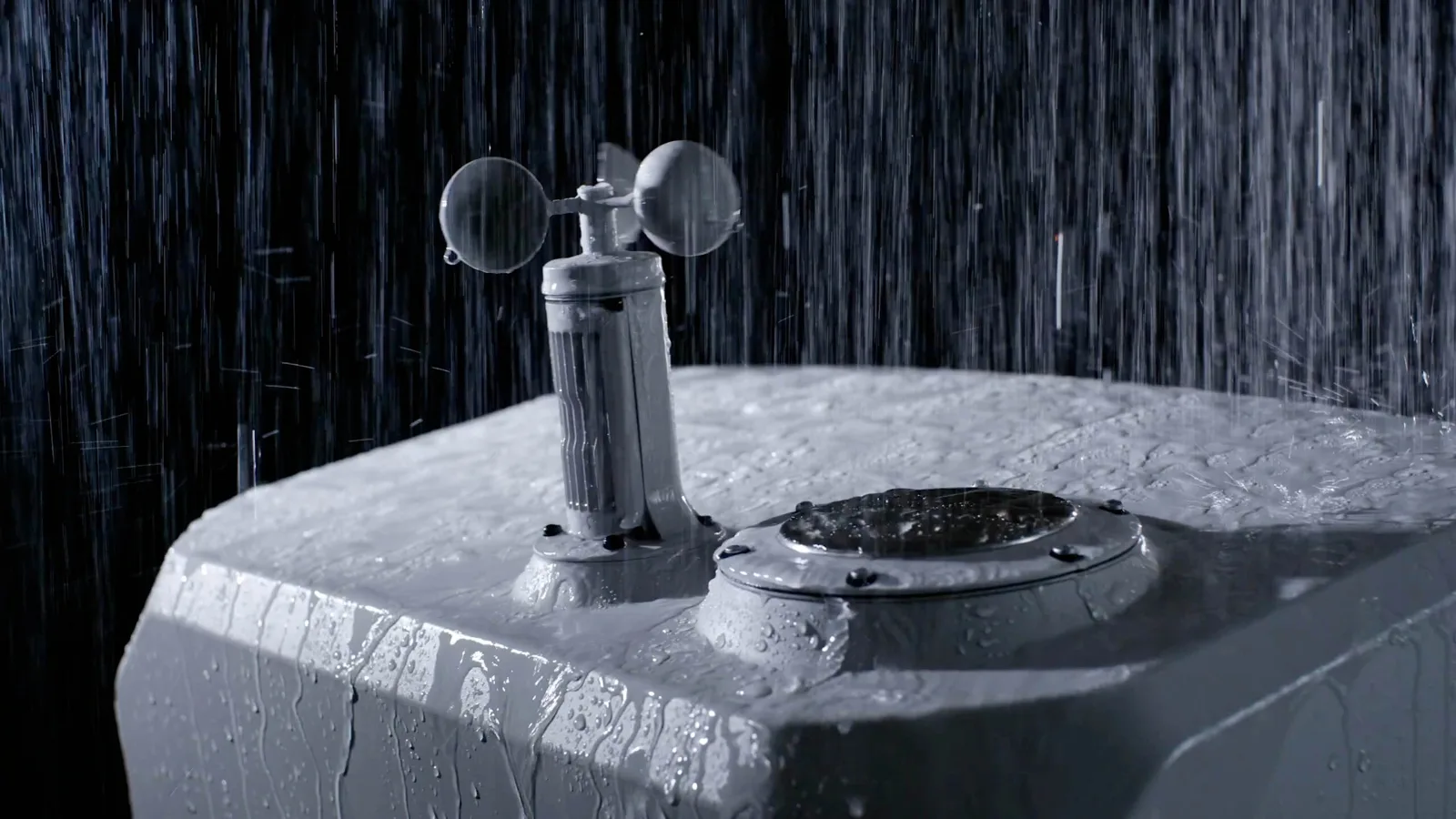
Weather is what stops an inspection cadence, and it's where a dock deployment is strongest. The Dock 3 carries an IP56 rating and operates from -30°C to 50°C, sealed against dust and powerful water jets, with onboard wind, rain, and water-immersion sensors that hold a launch when conditions are unsafe. The docked Matrice 4TD is IP55 and rated to -20°C, with a low-temperature self-heating battery — so the aircraft itself is built for the cold, unlike the standard manually piloted Matrice 4T/Matrice 4E (which carry no IP rating and shouldn't fly in rain). For a Canadian utility, that pairing is what makes a genuinely year-round, all-weather autonomous inspection program realistic rather than a fair-weather experiment.
What About Flying Near Energized Assets and Over People?
Substation and line inspection means flying near energized infrastructure and sometimes over people not involved in the operation, and the rules run through Transport Canada, not the spec sheet. Operating near or over people is an advanced operation under CARs Part IX, requiring a pilot certified for Advanced Operations (dock operations are still conducted under a certificate and a valid RPAS Safety Assurance declaration), NAV CANADA authorization in controlled airspace, and a specific operational approval. Dock and BVLOS operations in particular need a documented compliance case — we support Transport Canada Advanced Operations, BVLOS pathways, airspace authorization, and SFOC applications, and we scope the dock-specific approvals with you.
Parachute for over-people flight: where a route takes the aircraft over uninvolved people — common when a distribution corridor runs through a neighbourhood — a deployable parachute is the recognized ground-risk mitigation. For the Matrice 4 Series we supply the AVSS Parachute Recovery System — a lightweight bolt-on that deploys in under 0.5 seconds, cuts the motors on activation, and brings the aircraft down at a controlled descent, shipping with ASTM F3322 / EASA MOC documentation that supports operations over people. Parachute integration on a docked 4TD is configuration-specific, so we confirm the exact setup and the current Canadian regulatory pathway as part of scoping your deployment.
Common Questions
What is the DJI Dock 3 for utilities?
It's an IP56, weather-hardened autonomous drone dock that houses a Matrice 4TD (or 4D) aircraft and runs scheduled or on-demand flights with no pilot on site, managed through DJI FlightHub 2. It supports both fixed and vehicle-mounted deployment, and suits recurring substation and line inspection.
Can the Dock 3 run substation rounds in a Canadian winter?
Yes. The dock is rated to -30°C and IP56; the docked Matrice 4TD is IP55, rated to -20°C, and has a low-temperature self-heating battery. Onboard weather sensors hold launches when wind or precipitation exceed safe limits.
Can the docked drone do corona inspection?
No — corona detection needs a solar-blind UV payload like the OFIL DayCor, which mounts on the heavier Matrice 400. The docked 4TD handles thermal and visual rounds; we pair it with an M400 for corona campaigns.
How accurate and capable is the docked thermal camera?
The Matrice 4TD carries a 640 × 512 radiometric thermal camera accurate to ±2°C in high-gain mode, plus a 112x hybrid-zoom visual system and a 1,800 m laser rangefinder — suited to substation thermal trending and equipment inspection.
How far can the drone fly from the dock?
DJI publishes a 10 km operating radius and a 43 km max flight distance for the docked aircraft, subject to conditions and regulatory limits.
The Bottom Line for Canadian Utilities
The DJI Dock 3 turns recurring utility inspection into a scheduled, pilot-free operation built for Canadian conditions: an IP56, -30°C dock housing an IP55 Matrice 4TD with radiometric thermal, 112x zoom, and a laser rangefinder, managed from a control room through FlightHub 2. It's the right tool for 24/7 substation thermal rounds, distribution and line patrols, perimeter security, and remote-asset coverage where the cost is getting a technician there — with transmission corona and heavy radiometric campaigns running on the Matrice 400 alongside it.
Two things to settle before you commit: position the dock as your recurring aerial-rounds layer alongside a corona/heavy-radiometric platform, not a replacement for it, and scope the Transport Canada compliance case for dock and BVLOS operations early — that's the long pole in a dock deployment, and we handle it with you.
If you're evaluating autonomous inspection for substations or remote assets, request a proposal. Share your asset class — transmission, distribution, substation, or renewables — and we'll scope dock siting, aircraft, parachute, compliance, and reporting.
Matrice 4T vs 4E vs 4TD: Which DJI Matrice 4 Is Right for Energy & Utilities?
The Dock 3 flies the Matrice 4TD, but it's worth understanding how the whole Matrice 4 family lines up for utilities — because the right answer is often a mix of manually piloted and docked aircraft.
The Short Version
- Matrice 4T — the manually piloted inspection aircraft. Choose it for on-demand substation thermal and line inspection a crew carries to site.
- Matrice 4E — the manually piloted mapping aircraft. Choose it for wind-farm site mapping and corridor survey.
- Matrice 4TD — the docked version of the 4T, IP55 and weather-hardened, flown by the DJI Dock 3 for automated, recurring, pilot-free rounds.
Side-by-Side for Energy & Utilities
| Feature | Matrice 4T | Matrice 4E | Matrice 4TD (Dock 3) |
|---|---|---|---|
| Role | Manually piloted thermal inspection | Manually piloted mapping | Docked autonomous inspection |
| Thermal camera | 640 × 512 radiometric | None | 640 × 512 radiometric |
| Laser rangefinder | 1,800 m | — | 1,800 m |
| Wide camera | 1/1.3-inch, 48 MP | 4/3-inch, 20 MP, mechanical shutter | 1/1.3-inch, 48 MP |
| Zoom | 112x hybrid | 112x hybrid | 112x hybrid |
| IP rating | No standard rating | No standard rating | IP55 (dock: IP56) |
| Operating temperature | -10°C to 40°C | -10°C to 40°C | -20°C to 50°C (dock: -30°C) |
| Max flight time | 49 min | 49 min | 54 min |
| Deployment | Manual pilot deployment | Manual pilot deployment | Fixed or vehicle-mounted dock |
| Parachute option | AVSS for Matrice 4 Series | AVSS for Matrice 4 Series | Configuration-specific (scope with us) |
| Best for | On-demand substation thermal & line | Wind-farm & corridor mapping | 24/7 recurring rounds, remote assets |
The 4TD and its dock are the weather-hardened, autonomous tier. None of the Matrice 4 variants carry gimbal payloads; corona UV and high-end radiometric payloads run on the heavier Matrice 400. Exact 4TD/Dock 3 configuration and Canadian availability are quote-only.
Which One for Your Program?
Choose the Matrice 4T if your need is on-demand, crew-carried inspection — a technician pulls it from a truck for substation thermal scans and line checks.
Choose the Matrice 4E if your need is mapping — wind-farm site survey, corridor and right-of-way mapping, or photogrammetric documentation.
Choose a Dock 3 with the Matrice 4TD if your need is recurring, pilot-free coverage of substations and remote assets — 24/7 thermal rounds, perimeter security, and line patrols, run from a control room in any weather.
And for the heavy inspection jobs — transmission corona detection with the OFIL DayCor or high-end radiometric reporting with the Zenmuse H30T — those run on the heavier Matrice 400, and autonomous ground rounds run on Boston Dynamics Spot. Most utility programs combine a docked 4TD for recurring rounds, a manually piloted 4T for on-demand work, and an M400 for corona.
Not sure which fits? Talk to us — tell us your asset class and inspection cadence, and we'll scope the right combination rather than sell you one aircraft for every job.
Sources
- DJI Dock 3 specifications: enterprise.dji.com/dock-3/specs
- DJI Matrice 4D / Dock 3 User Manual (dock, aircraft, thermal, laser rangefinder, sensing, transmission)
- Transport Canada, Drone operation categories and pilot certificates: tc.canada.ca
Shop the story
Related products in our catalog
Every product below is stocked and supported by Remote Robotic in Canada.
- DJI Dock 3
DJI Dock 3
Automated dock for Matrice 4D and Matrice 4TD remote inspection programs.
View product → - DJI Matrice 4TD
DJI Matrice 4TD
Dock-native thermal M4TD with NIR aux light — night-ops DFR and thermal patrol.
View product → - DJI Matrice 4T
DJI Matrice 4T
Multi-sensor M4 Series with thermal + NIR + laser rangefinder for inspection & public safety.
View product → - DJI Matrice 4E
DJI Matrice 4E
Compact mapping-first M4 Series with wide + medium-tele + tele cameras and laser rangefinder.
View product → - DJI Matrice 400
DJI Matrice 400
Flagship enterprise M400 airframe — 59 min flight, 6 kg payload, multi-sensor ready.
View product → - DJI Zenmuse H30T
DJI Zenmuse H30T
Wide + 34× zoom + thermal (1280×1024) + laser rangefinder + NIR — the flagship M400 payload.
View product → - AVSS Parachute Recovery System for Matrice 4 Series
AVSS Parachute Recovery System for Matrice 4 Series
Parachute recovery system for Matrice 4 Series flight-over-people planning.
View product →