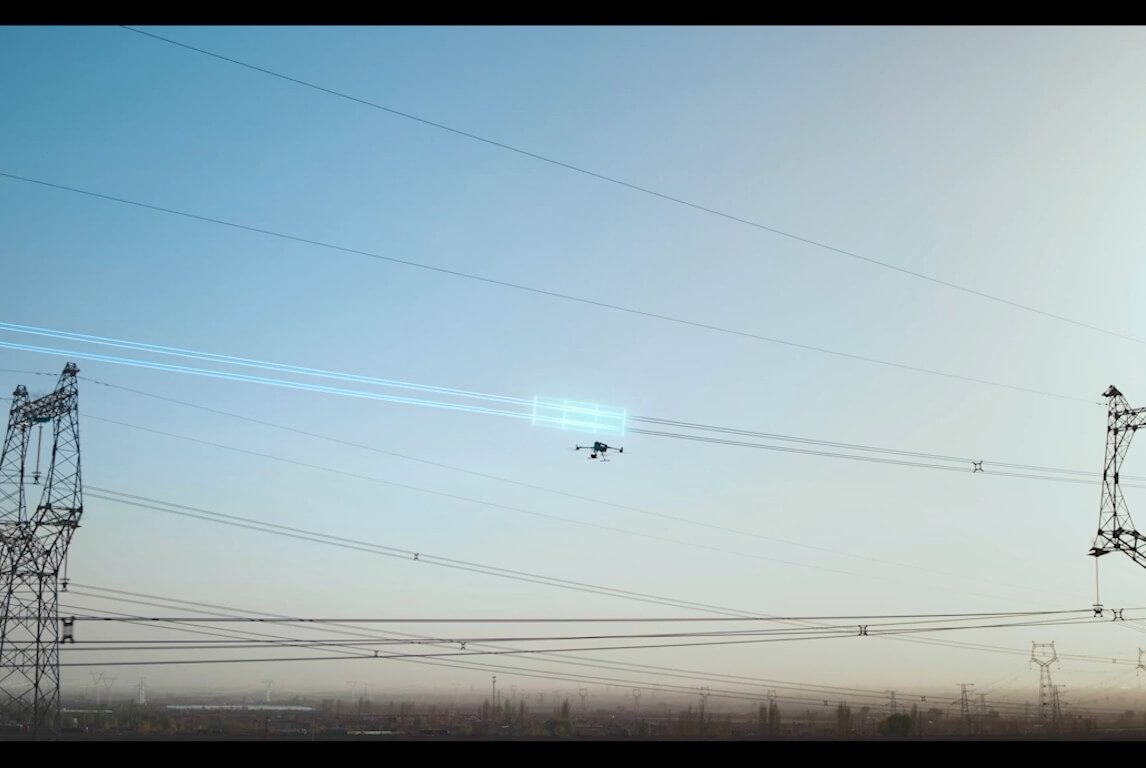
Industrial Brief
Powerline Inspection Drones in Canada
Thermal, 112x zoom, corona/UV, and LiDAR powerline inspection on the DJI Matrice 4T, Matrice 400, and autonomous Dock 3 line patrols.
Remote Robotic · September 14, 2026 · 10 min read
Why Inspect Powerlines by Drone?
Utility networks are enormous, largely unmanned, and dangerous to inspect the traditional way. Climbing towers, stringing bucket trucks along a feeder, or flying a manned helicopter over a transmission corridor is slow, expensive, and hazardous — and it usually means an outage or a live-line crew. A powerline inspection drone changes the economics: a single operator covers more line in a day, captures calibrated thermal and high-resolution visual data, and keeps people on the ground.
For Canadian utilities specifically, drones solve three problems at once: the distances are vast (rural feeders and remote transmission corridors), the weather is punishing (which is why platform weather-hardening matters), and the assets are aging — making frequent, data-driven inspection the difference between a planned repair and an unplanned outage.
What a Powerline Inspection Drone Detects
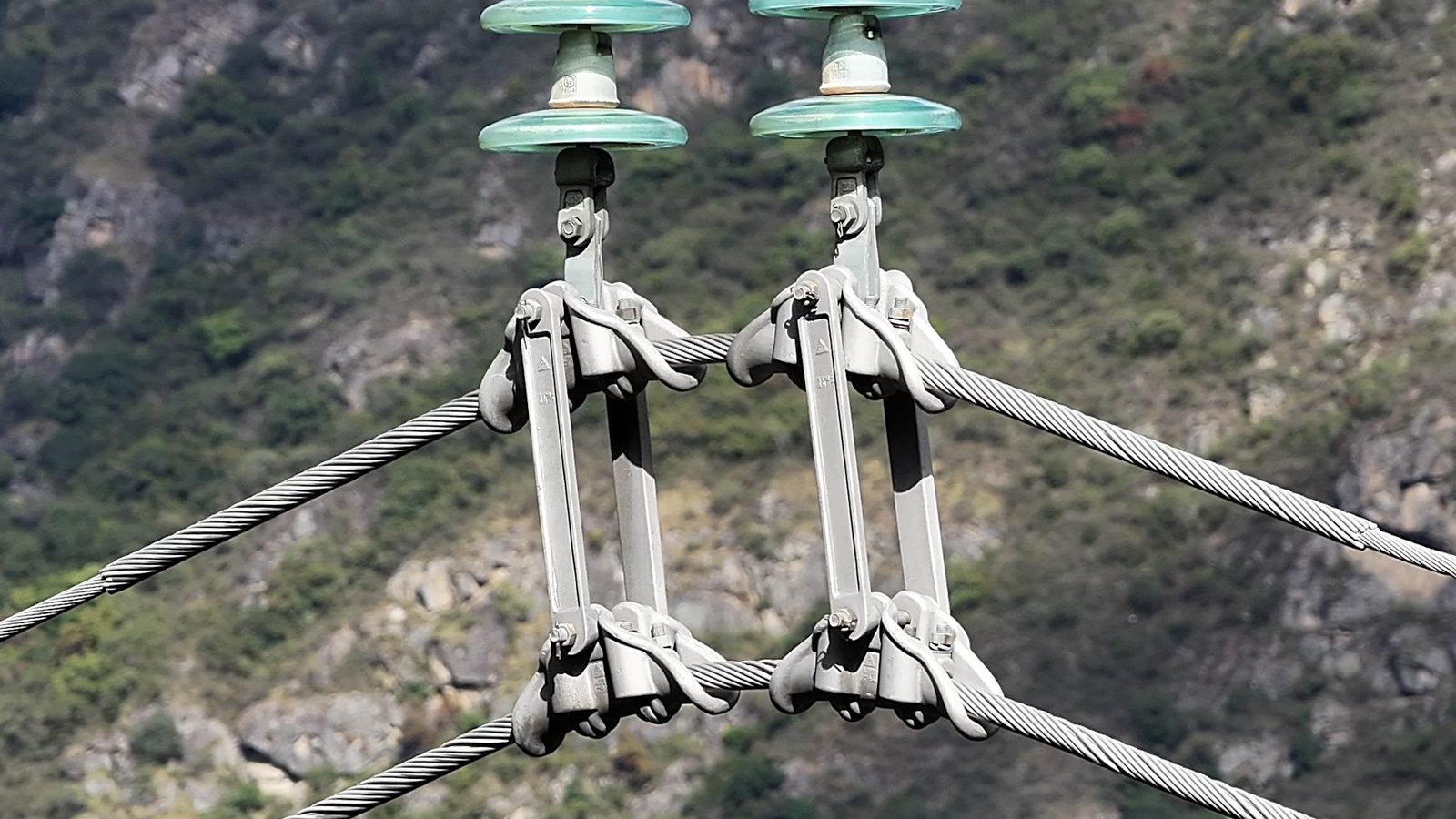
| Inspection target | What the drone finds | Payload / method |
|---|---|---|
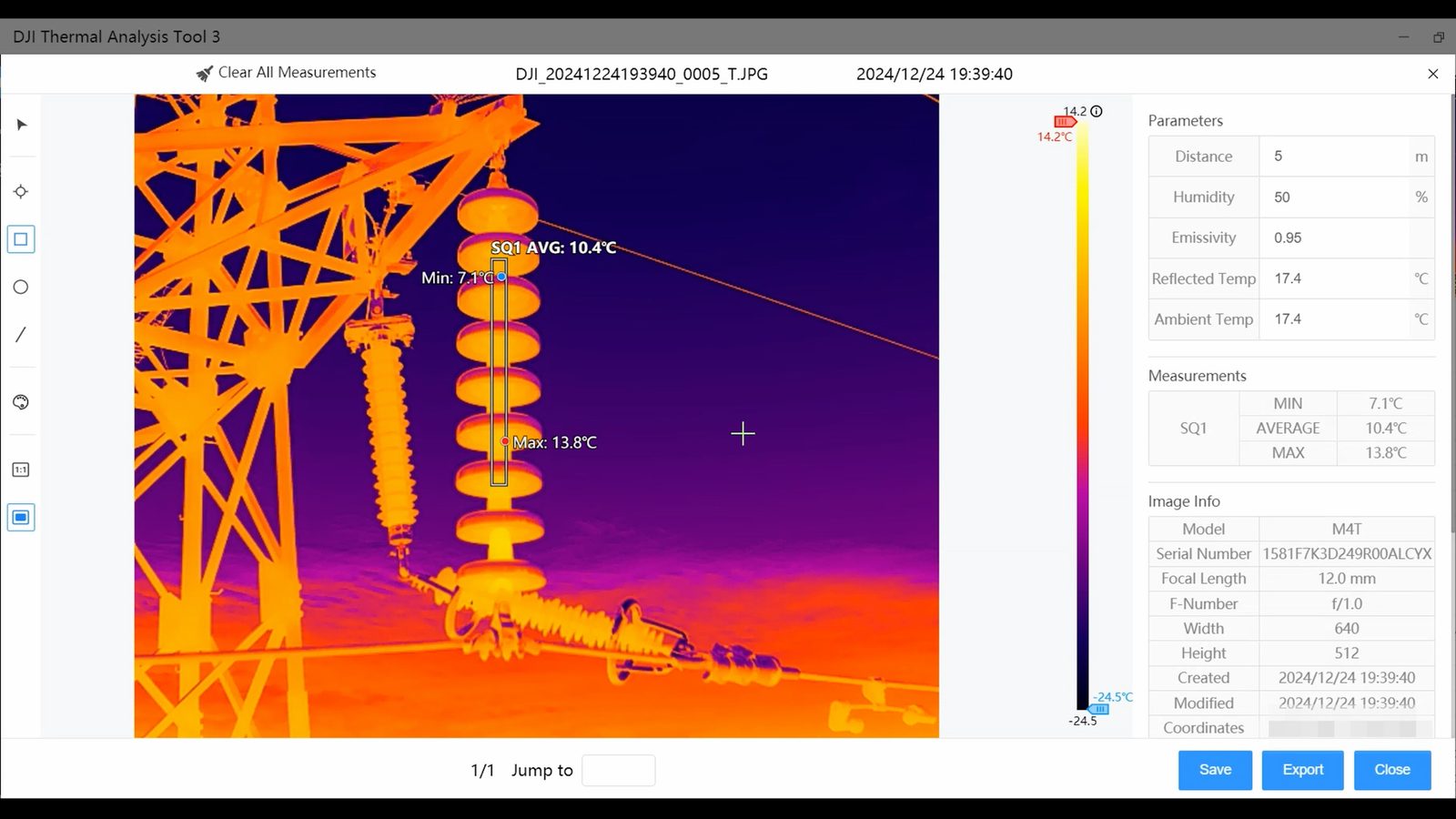
| Conductors & splices | Hot joints, corrosion, strand damage | Thermal + 112x zoom |
| Insulators | Cracking, flashover damage, contamination | 112x zoom visual |
| Corona / partial discharge | Insulation breakdown before failure | Corona / UV (OFIL DayCor) |
| Transformers & substation equipment | Overheating bushings, connections, bus | Radiometric thermal |
| Towers & structures | Corrosion, hardware wear, nesting | Zoom visual, LiDAR |
| Vegetation encroachment | Trees & growth near conductors | LiDAR point cloud |
| Conductor sag & clearance | Sag, ground clearance, crossing distances | LiDAR + laser rangefinder |
The Platforms for Powerline Inspection
Powerline work spans handheld distribution checks to transmission-scale corona surveys to pilot-free autonomous patrols. No single aircraft does all three, so Remote Robotic matches the platform to the line.
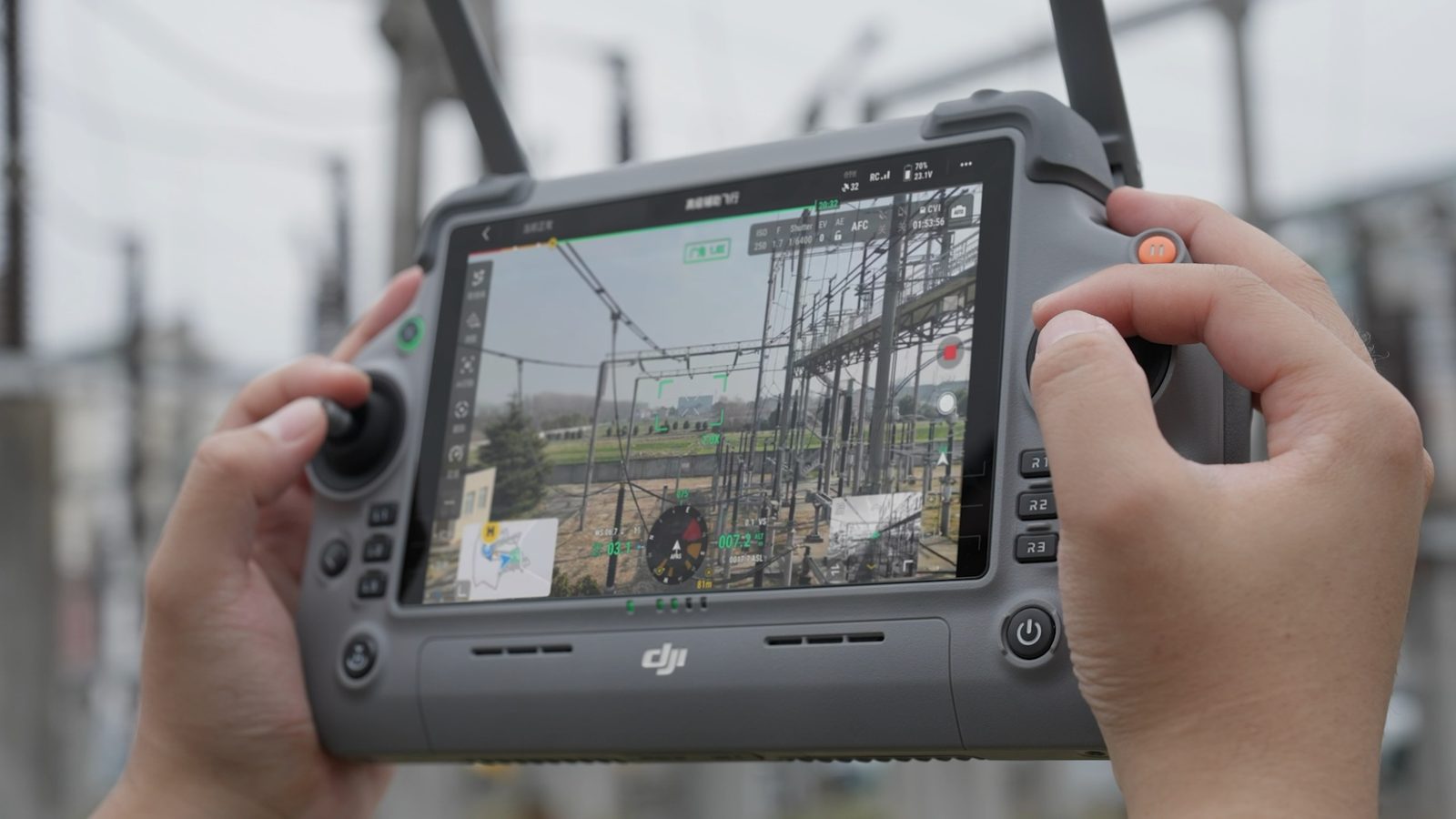
A technician inspects substation structures live from the controller — thermal and 112x zoom on one compact airframe.
Platform 01 · Handheld thermal & zoom
DJI Matrice 4T — Handheld Thermal & Zoom Inspection
The DJI Matrice 4T is the fast-deploy powerline inspection drone: a compact 1.2 kg aircraft with an integrated 640 × 512 radiometric thermal camera (accurate to ±2°C), a wide/medium/tele visual system with 112x hybrid zoom, and a 1,800 m laser rangefinder — the full inspection toolkit built into one airframe. A technician pulls it from a truck and inspects a feeder, a pole-top, or a tower in minutes.
Best for: distribution line patrols, pole-top hardware, substation thermal scans, storm-damage triage, conductor and clearance measurement.
| Specification | Figure |
|---|---|
| Thermal camera | 640 × 512 radiometric, ±2°C (high gain) |
| Visual zoom | 48 MP, 112x hybrid |
| Laser rangefinder | 1,800 m |
| RTK accuracy | 1 cm + 1 ppm |
| Max flight time | 49 min |
| IP rating | No standard rating (fly in fair weather) |
Shop the DJI Matrice 4T or read the Matrice 4T utility inspection guide.
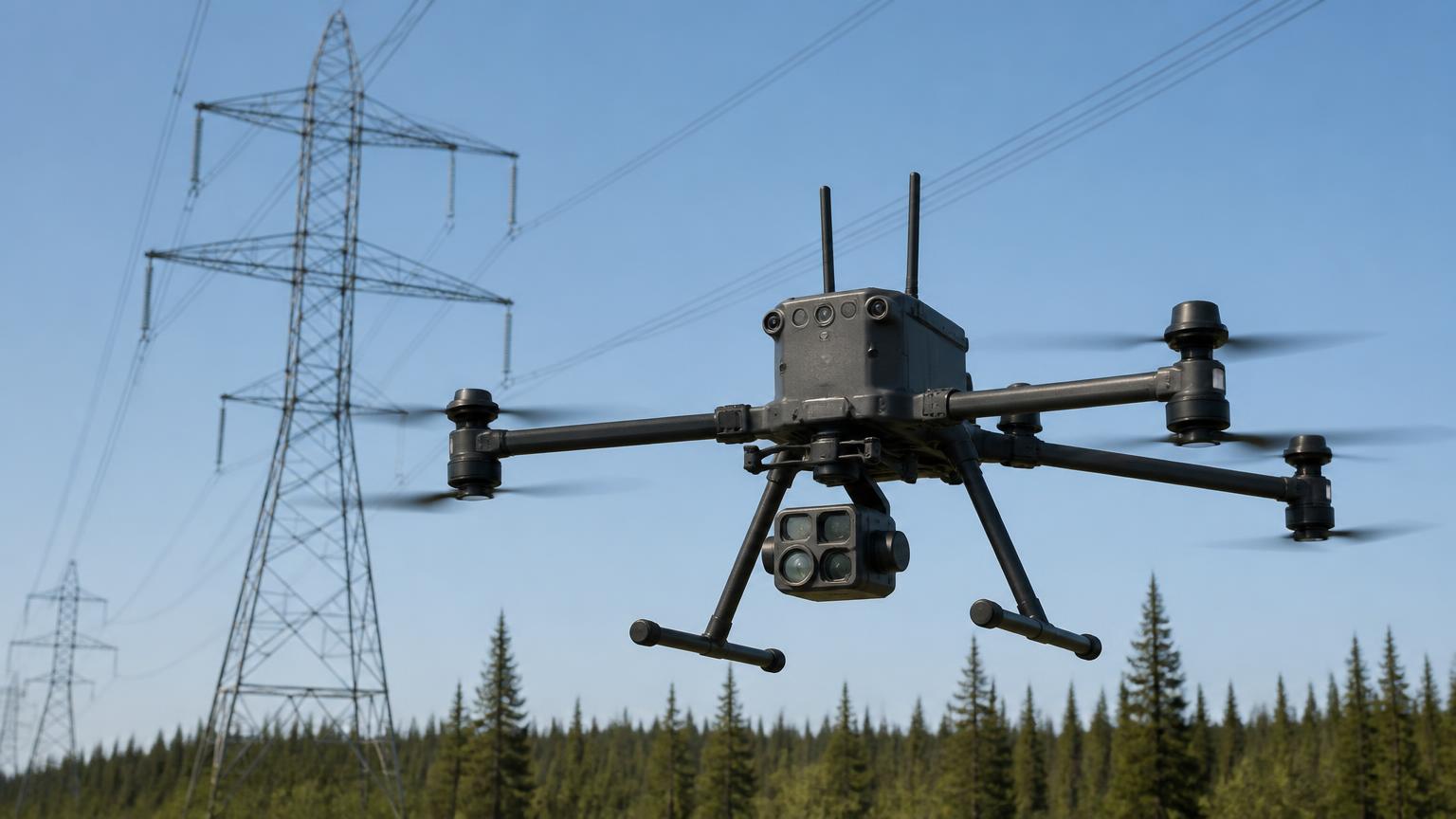
The Matrice 400 carries specialist payloads for corona, LiDAR, and reporting-grade thermal inspection over transmission corridors.
Platform 02 · Transmission-scale payloads
DJI Matrice 400 — Transmission-Scale Corona, Thermal & LiDAR
When the job needs a specialist payload — corona/UV detection or LiDAR — the DJI Matrice 400 is the heavy-lift platform: a 6 kg payload capacity, IP55 weather sealing, a -20°C operating floor with self-heating batteries, and 59-minute flights. Its RTK is hardened against the magnetic interference of high-voltage infrastructure, and its onboard mmWave radar detects a power line at 50 m for safe autonomous flight near conductors.
The M400 carries the OFIL DayCor solar-blind UV corona camera for partial-discharge detection, the DJI Zenmuse L3 LiDAR for vegetation and clearance modeling, and the DJI Zenmuse H30T for high-end radiometric thermal — payloads the compact 4T can't lift.
Best for: transmission corridor inspection, corona/partial-discharge surveys, vegetation-encroachment LiDAR, conductor sag and clearance modeling, high-end radiometric reporting.
| Specification | Figure |
|---|---|
| Max payload | 6 kg (gimbal payloads) |
| RTK | 1 cm + 1 ppm; hardened vs HV-line interference |
| Line detection | mmWave radar detects a power line at 50 m |
| Max flight time | 59 min |
| Operating temperature | -20°C to 50°C |
| IP rating | IP55 |
Shop the DJI Matrice 400 or read the Matrice 400 utility inspection guide.
Platform 03 · Pilot-free patrols
DJI Dock 3 — Autonomous, Recurring Line & Substation Patrols
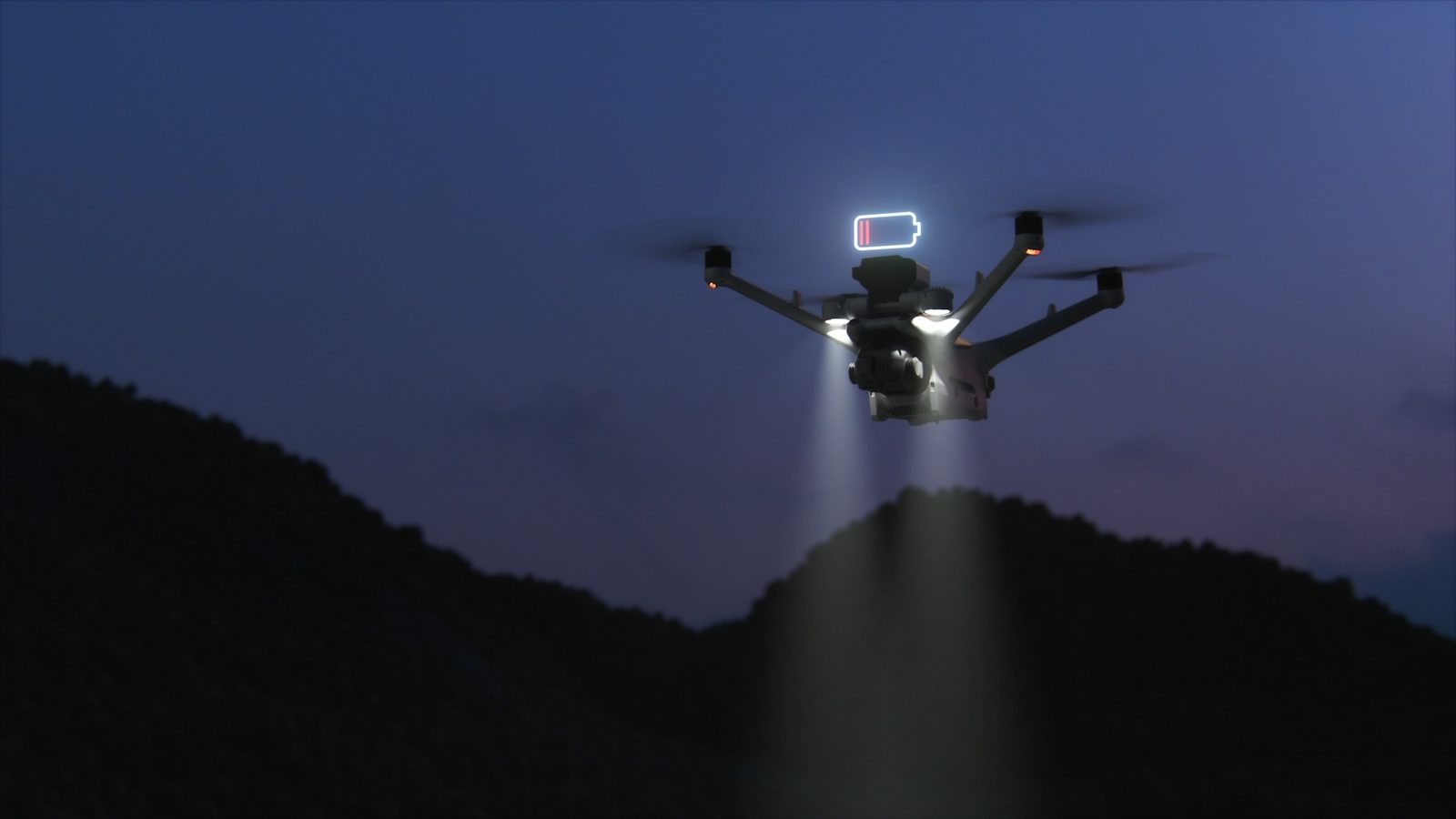
For unmanned substations and repeat line patrols, the DJI Dock 3 houses a Matrice 4TD and flies the same thermal-and-visual route on a schedule, with no pilot on site — managed from a control room through DJI FlightHub 2. The dock is IP56 and rated to -30°C; the docked aircraft is IP55 to -20°C with a self-heating battery, so autonomous inspection runs year-round in Canadian conditions.
Best for: 24/7 substation thermal rounds, recurring distribution-line patrols near a docked asset, perimeter security, and rapid fault response launched from the control room.
| Specification | Figure |
|---|---|
| Dock IP / temp | IP56, -30°C to 50°C |
| Aircraft (4TD) IP | IP55, -20°C to 50°C |
| Thermal camera | 640 × 512 radiometric |
| Operating radius | 10 km from dock |
| Deployment | Fixed or vehicle-mounted |
Shop the DJI Dock 3 or read the Dock 3 utility inspection guide.
Inspection Methods Explained
Method 01
Thermal Inspection
Method 02
Zoom (Visual) Inspection
Method 03
Corona / UV Inspection
Method 04
LiDAR Inspection
Method 05
Autonomous Inspection
Reference
Matching Method to Platform
Canadian Utility Use Cases
- 1
Distribution Feeder Patrols
Rural and urban distribution feeders inspected pole-to-pole with the Matrice 4T's 112x zoom and thermal — reading hardware, insulators, and hot connections from the ground, far faster than a bucket truck at every pole.
- 2
Transmission Corridor Inspection
Long transmission lines surveyed with the Matrice 400 — corona/UV for partial discharge, LiDAR for vegetation and sag, and thermal for hot joints — covering corridors that are slow and dangerous to inspect by helicopter or on foot.
- 3
Substation Thermal Rounds
Transformers, bushings, bus, and arrestors scanned thermally without a lockout — on demand with the 4T, or automated on a fixed cadence with a Dock 3 and Matrice 4TD.
- 4
Storm & Outage Response
After a Canadian storm, the Matrice 4T deploys from a truck in minutes to triage downed lines and damaged structures across a service area, and a docked aircraft can launch an immediate fault-finding flight from the control room.
- 5
Vegetation Management
LiDAR point clouds from the Matrice 400 identify trees and growth encroaching on the right-of-way — turning vegetation management from a visual guess into a measurable, prioritized program.
- 6
Wildfire-Risk & Winter Reliability
Proactive corona, thermal, and clearance inspection reduces the ignition and outage risk that comes with aging infrastructure, extreme cold, and dry conditions — a growing priority for Canadian utilities.
Weather & IP Ratings for Canadian Conditions
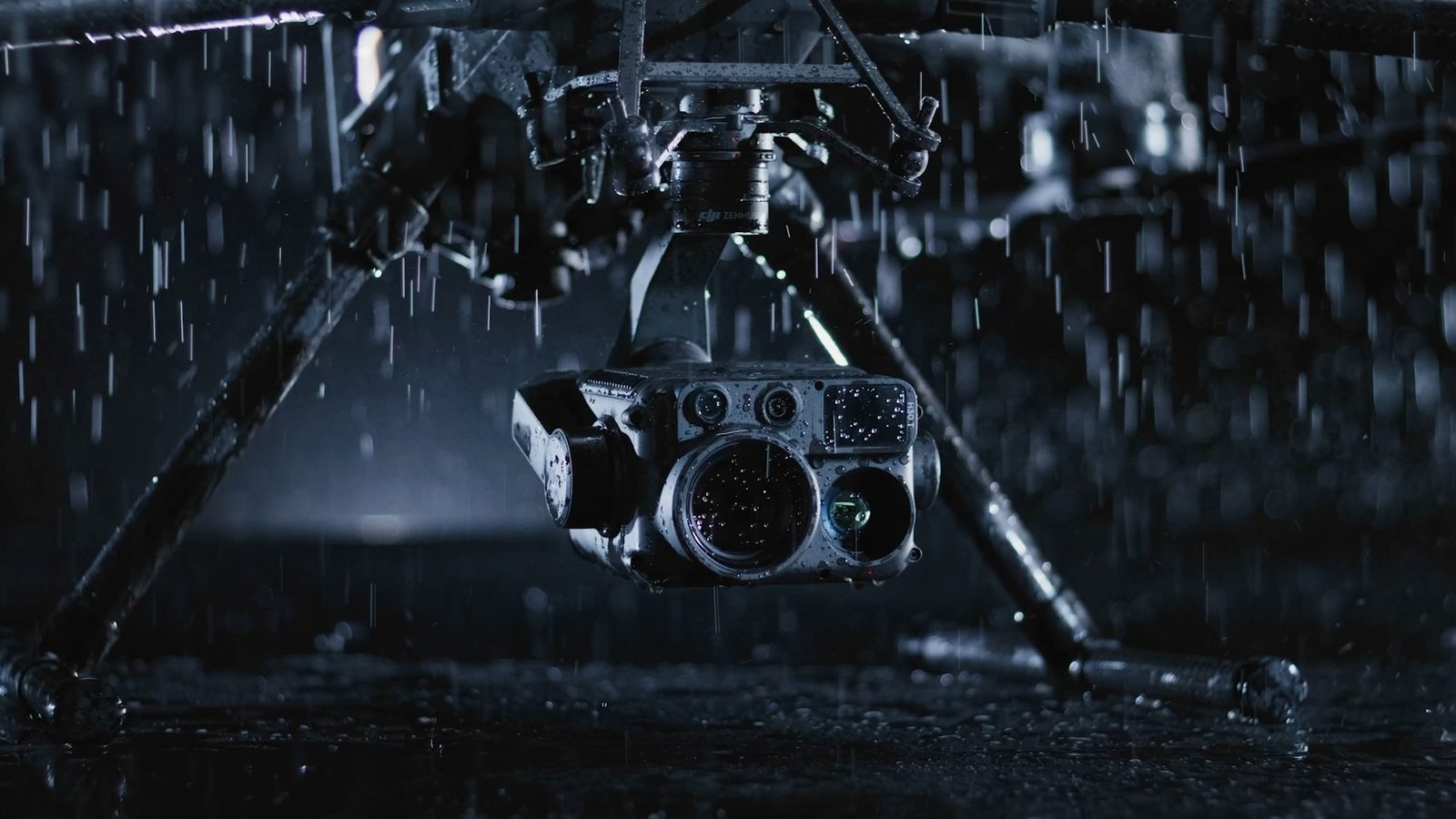
Ingress protection decides whether an inspection program runs year-round. The standard handheld DJI Matrice 4T has no IP rating and should be flown in fair weather. For all-weather patrols, the DJI Matrice 400 is IP55 (-20°C, self-heating batteries), and a DJI Dock 3 deployment pairs an IP56 dock (-30°C) with an IP55 aircraft — the combination that makes genuinely year-round autonomous inspection realistic in Canada.
| Platform | IP rating | Operating temperature |
|---|---|---|
| DJI Matrice 4T | No standard rating (fair weather) | -10°C |
| DJI Matrice 400 | IP55 | -20°C (self-heating batteries) |
| DJI Dock 3 (dock) | IP56 | -30°C |
| Matrice 4TD | IP55 | -20°C |
Parachutes & Flying Over People
Distribution lines run through populated areas, so powerline inspection often means flying over people not involved in the operation — an advanced operation under Transport Canada's CARs Part IX, where a deployable parachute is the recognized ground-risk mitigation. The right system is platform-specific: the Matrice 4 Series (4T / 4TD) uses the AVSS Parachute Recovery System — a 149 g bolt-on with a flight-termination system, ~3.8 m/s descent, and ASTM F3322 / EASA MOC documentation — while the DJI Matrice 400 uses the DJI AP100 Parachute. We scope the parachute and the over-people compliance case with the platform.
Compliance & Operations in Canada
Inspecting powerlines means flying near energized infrastructure and often in controlled airspace — an advanced operation under CARs Part IX, requiring a pilot certified for Advanced Operations, NAV CANADA authorization, and a valid RPAS Safety Assurance declaration. Remote Robotic supports Transport Canada Advanced Operations, BVLOS pathways (essential for long transmission corridors), airspace authorization, and SFOC applications. For utilities that want inspection delivered as data, our Remote Operations Center runs recurring line and substation patrols as a managed service.
Common Questions
What is the best drone for powerline inspection?
For distribution and handheld work, the DJI Matrice 4T (integrated thermal, 112x zoom, laser rangefinder). For transmission-scale corona and LiDAR, the DJI Matrice 400. For recurring autonomous patrols, a DJI Dock 3. Most utilities combine them.
Can a drone detect corona discharge on powerlines?
Yes — with a solar-blind UV corona camera like the OFIL DayCor, carried on the Matrice 400. It detects partial discharge in daylight, before a visible or thermal fault appears.
Can drones inspect powerlines without an outage?
Yes. Thermal, zoom, and corona inspection are all done from a safe standoff while the line stays energized — no outage or live-line crew required.
Do powerline inspection drones work in a Canadian winter?
The Matrice 400 (IP55, -20°C) and a Dock 3 deployment (dock IP56 to -30°C, aircraft IP55 to -20°C) are built for year-round Canadian operation. The standard handheld Matrice 4T is rated to -10°C and should fly in fair weather.
Can powerline inspection be automated?
Yes — a DJI Dock 3 with a Matrice 4TD flies scheduled thermal-and-visual patrols with no pilot on site, ideal for substation rounds and line segments near the dock.
Does the Matrice 4T carry a corona camera?
No — corona/UV detection needs a solar-blind payload on the heavier Matrice 400. The 4T handles thermal and zoom visual inspection.
Inspect Your Network from the Air
Remote Robotic supplies, trains, and operates powerline inspection drone programs for utilities across Canada — from a single DJI Matrice 4T to a fleet of docked aircraft running autonomous patrols. Tell us your network — transmission, distribution, or substation — and we'll scope the right platforms, payloads, parachute, compliance, and support.
Request a quote · Book a demo · Explore the Energy & Utility guide
Sources
- DJI Matrice 400, Matrice 4 Series, and Dock 3 specifications (enterprise.dji.com)
- DJI Matrice 400, Matrice 4 Series, and Matrice 4D / Dock 3 User Manuals
- Transport Canada, Drone operation categories and pilot certificates: tc.canada.ca
Shop the story
Related products in our catalog
Every product below is stocked and supported by Remote Robotic in Canada.
- DJI Matrice 4T
DJI Matrice 4T
Multi-sensor M4 Series with thermal + NIR + laser rangefinder for inspection & public safety.
View product → - DJI Matrice 400
DJI Matrice 400
Flagship enterprise M400 airframe — 59 min flight, 6 kg payload, multi-sensor ready.
View product → - DJI Matrice 4TD
DJI Matrice 4TD
Dock-native thermal M4TD with NIR aux light — night-ops DFR and thermal patrol.
View product → - DJI Zenmuse H30T
DJI Zenmuse H30T
Wide + 34× zoom + thermal (1280×1024) + laser rangefinder + NIR — the flagship M400 payload.
View product → - DJI Zenmuse L3
DJI Zenmuse L3
1535 nm long-range LiDAR + dual 100 MP RGB — survey-grade M400 mapping payload.
View product → - DJI AP100 Parachute
DJI AP100 Parachute
Certified recovery parachute for the M400 — the enabler for flight over people workflows.
View product → - DJI FlightHub 2 AIO
DJI FlightHub 2 AIO
Pre-installed on-premises appliance — up to 20 aircraft/docks, data stays on your network. CAD $22,285.
View product →