
ROC Live Demo
Remote Drone Docks in Action: Inside Our Live Demo for BC Hydro and Hydro-Québec
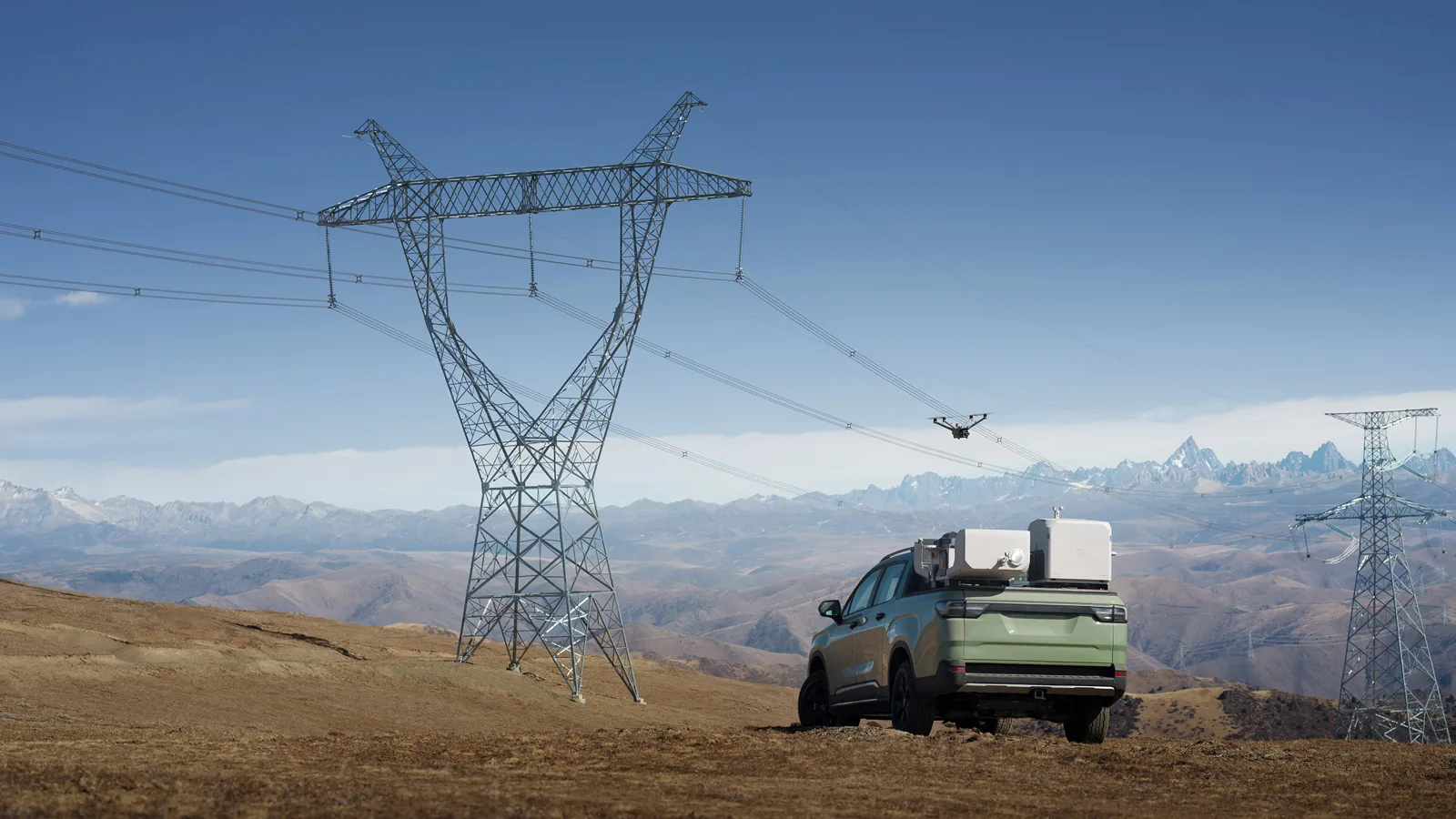
Watch Laurent Cataye operate a DJI Dock 3 and Matrice 4TD remotely, and explore how Remote Robotic’s ROC program supports utility inspections and site security.
Remote Robotic · October 9, 2026 · 5 min read
Watch the live remote dock demo
Watch on YouTube ↗Flying a Drone From Thousands of Kilometres Away
At a recent industry event, Laurent Cataye of Remote Robotic Systems opened a laptop, logged into a flight platform, and took live control of a drone sitting in a dock in Ontario. Within seconds he was flying it over rooftops, zooming in on a parking lot, switching to a thermal camera for night view, and then handing off control to a pilot on the other side of the country without a hitch.
This is what a remote drone dock looks like in daily use, and it's the technology Remote Robotic Systems has already deployed with Hydro-Québec and is now piloting at a BC Hydro site.
What a Remote Dock Actually Is
Remote Robotic Systems builds drone and robotics programs for utilities, mining, and oil and gas companies, covering everything from security patrols to industrial surveys. A remote dock system is the infrastructure that makes those programs scale: a weatherproof box that houses a drone on site, charges it between flights, and lets a pilot anywhere launch, fly, and land it without ever being there in person.
Instead of sending a crew and a pilot to a facility every time an inspection is due, the drone lives on site permanently, ready to fly a scheduled mission or respond to something unexpected at a moment's notice. This is exactly the model behind our Remote Operations Center (ROC) program: Transport Canada–licensed pilots running automated drone docks from a central command center, instead of a fleet and crew at every site.
Inside Flight Hub
The demo ran on what Remote Robotic Systems calls Flight Hub: a software showing a live map of the dock's location, a video feed from the drone, and the same flight controls a pilot would use standing in a field. The hardware is a DJI Dock 3 paired with a Matrice 4TD drone, and because it was already night at the drone's location in Ontario, the feed came through in thermal/night vision.
From the cockpit, Cataye zoomed in on a parking lot and counted the vehicles on screen in real time — 35 of them — and noted that an AI layer can be trained to flag specific objects automatically, whether that's vehicles, people, or, for a utility dealing with something like bear activity in northern Alberta, wildlife near a site.
Why Pilots Don't Need to Be On Site
Partway through the flight, Cataye handed control to a different pilot based in Ontario, and the transition happened without interrupting the flight. That handoff is the point of a remote dock system: a utility like BC Hydro, with sites across the province, doesn't need a pilot stationed at every one of them. One central team of trained pilots can operate docks at multiple facilities, pulling up whichever site needs attention and seeing what's happening there in real time.
Growing a drone program this way means scaling the number of docks, not the number of pilots — which is the same premise behind ROC: you bring the problem, we run the program.
Built to Run Unattended, Day After Day
A dock installed at a remote site isn't meant to be checked on every week — it's meant to keep flying missions on its own, with the system handling takeoff, the mission, the return, and the landing automatically. Each dock has its own weather and wind station, so if conditions turn unsafe the system simply won't launch, and an on-dock camera lets a pilot see current conditions before deciding whether to fly manually.
According to Cataye, the docks haven't had a failed landing yet, even in strong wind gusts. Routine maintenance is mostly scheduled in advance, and if something does go wrong, an alert appears on the platform so a technician can be dispatched to the site.
The Harder Part Isn't the Drone
Cataye was candid about where the real work goes: the flying itself is the easy part — what's harder is the regulatory path to get there. Flying beyond visual line of sight means clearing Transport Canada's rules at minimum, and then meeting whatever additional requirements the facility owner adds on top of that baseline.
With Hydro-Québec, Remote Robotic Systems has been running construction-site monitoring remotely with a visual observer present alongside the dock system. With BC Hydro, the company is in a trial phase for site security roughly 100 km from the event, and getting there meant producing a 60-page concept of operations covering every contingency the team could plan for.
Where This Is Headed
Remote Robotic Systems frames its offering simply: if a company doesn't want to build and manage its own drone program, the team can run the airspace work, the regulatory path, and the fleet of docks, and hand over the data the drone collects. Interest is growing fastest in oil and gas, mining, construction, and utilities — industries where autonomous, always-on monitoring is quickly becoming the norm rather than the exception.
Curious how a remote dock could fit into your own inspection or security program? Get in touch with Remote Robotic Systems to talk through what's possible at your site.
Shop the story
Related products in our catalog
Every product below is stocked and supported by Remote Robotic in Canada.