Utility Brief
DJI Matrice 4T vs DJI Dock 3: Which Should Your Utility Choose?
Compare DJI Matrice 4T and DJI Dock 3 for utilities, public safety, mining, and oil and gas programs: mobile piloted inspection versus fixed automated coverage.
Remote Robotic · September 23, 2026 · 8 min read
Quick answer
The real decision is crew-dispatched inspection versus a fixed automated system.
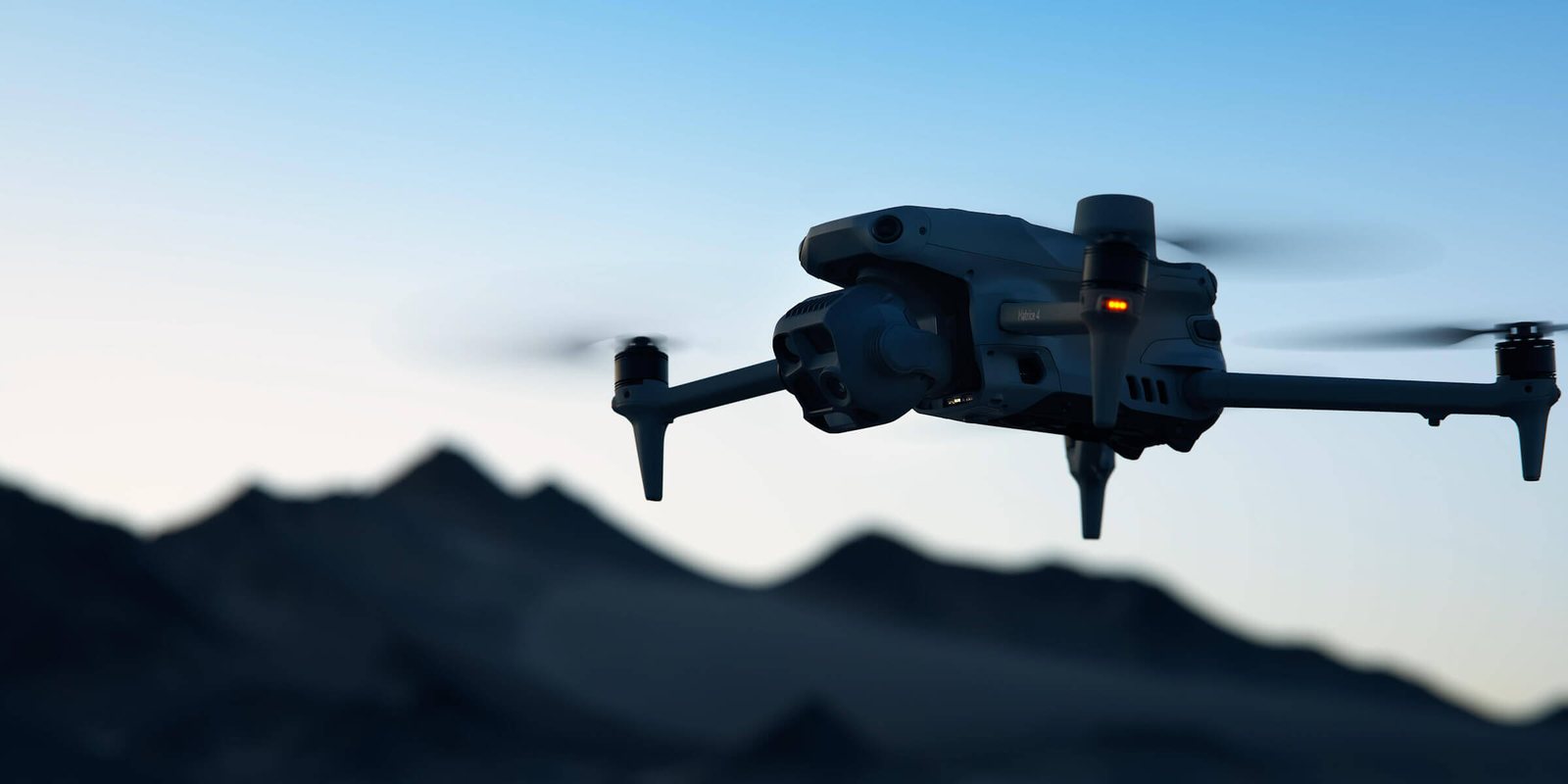
The DJI Matrice 4T and the DJI Dock 3 are not actually competing products. The 4T is a standalone, piloted aircraft. The Dock 3 is an automated docking station that works exclusively with the Matrice 4D and Matrice 4TD — not the 4T itself.
What each system actually does
| System | What it is | Operating reality |
|---|---|---|
| DJI Matrice 4T | A compact, piloted aircraft under 1,230 g, with built-in thermal and 112× zoom cameras. | A crew arrives, flies the mission, and leaves. Up to 49 minutes of flight time per battery, with full flexibility to go wherever the mission needs. |
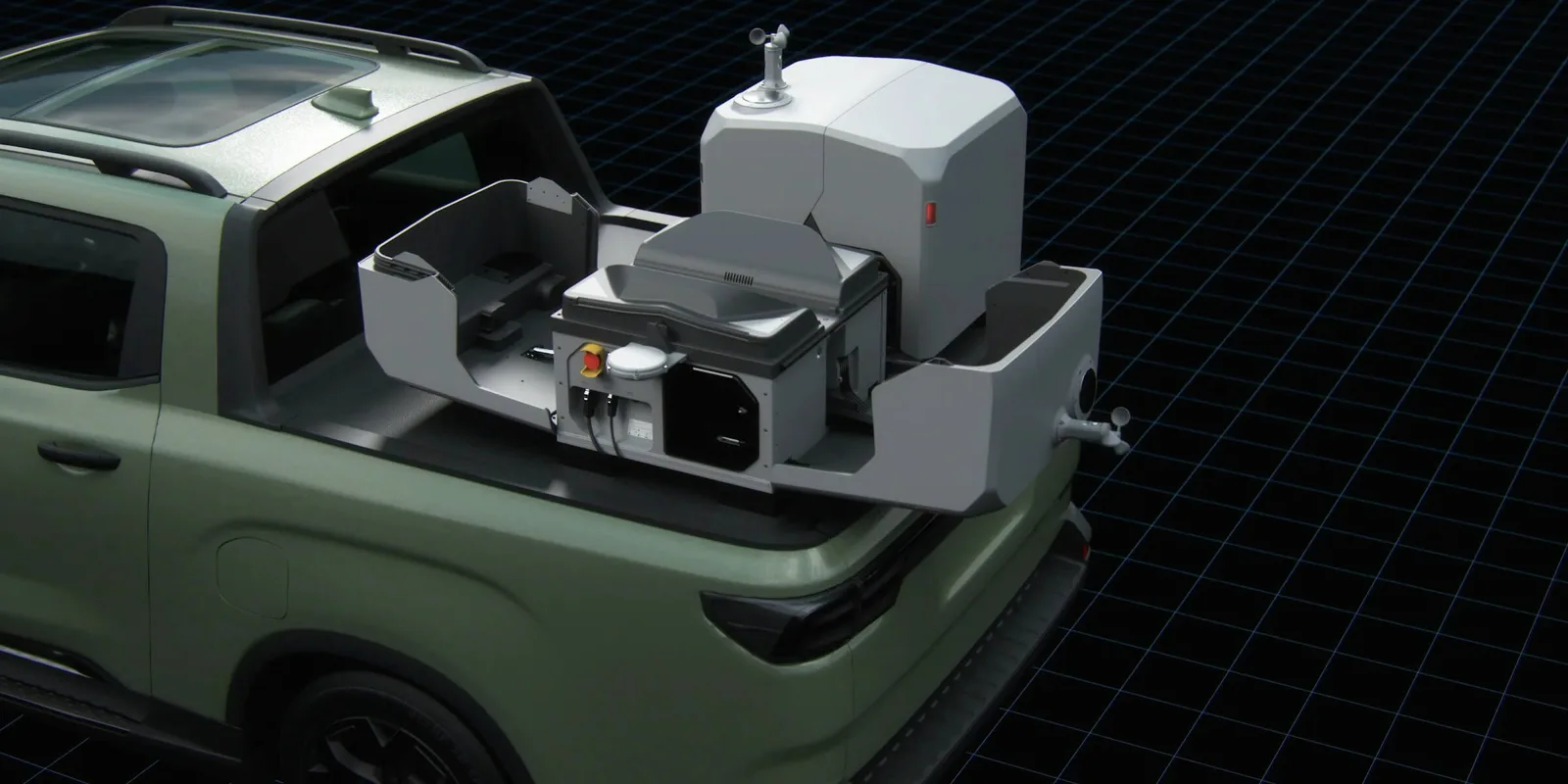
| DJI Dock 3 | An IP56-rated, climate-controlled automated station that houses a Matrice 4D or Matrice 4TD, charges it, and launches it remotely through DJI FlightHub 2. | A fixed installation with no pilot needed on-site. Operating range from −30°C to 50°C, with O4+ Enterprise transmission connecting dock to aircraft up to 25 km away. |
Dock 3 is infrastructure, not a mobile tool — installed once, running missions indefinitely.
Energy & Utility
Dock 3 for fixed high-value assets; Matrice 4T for mobile field coverage.
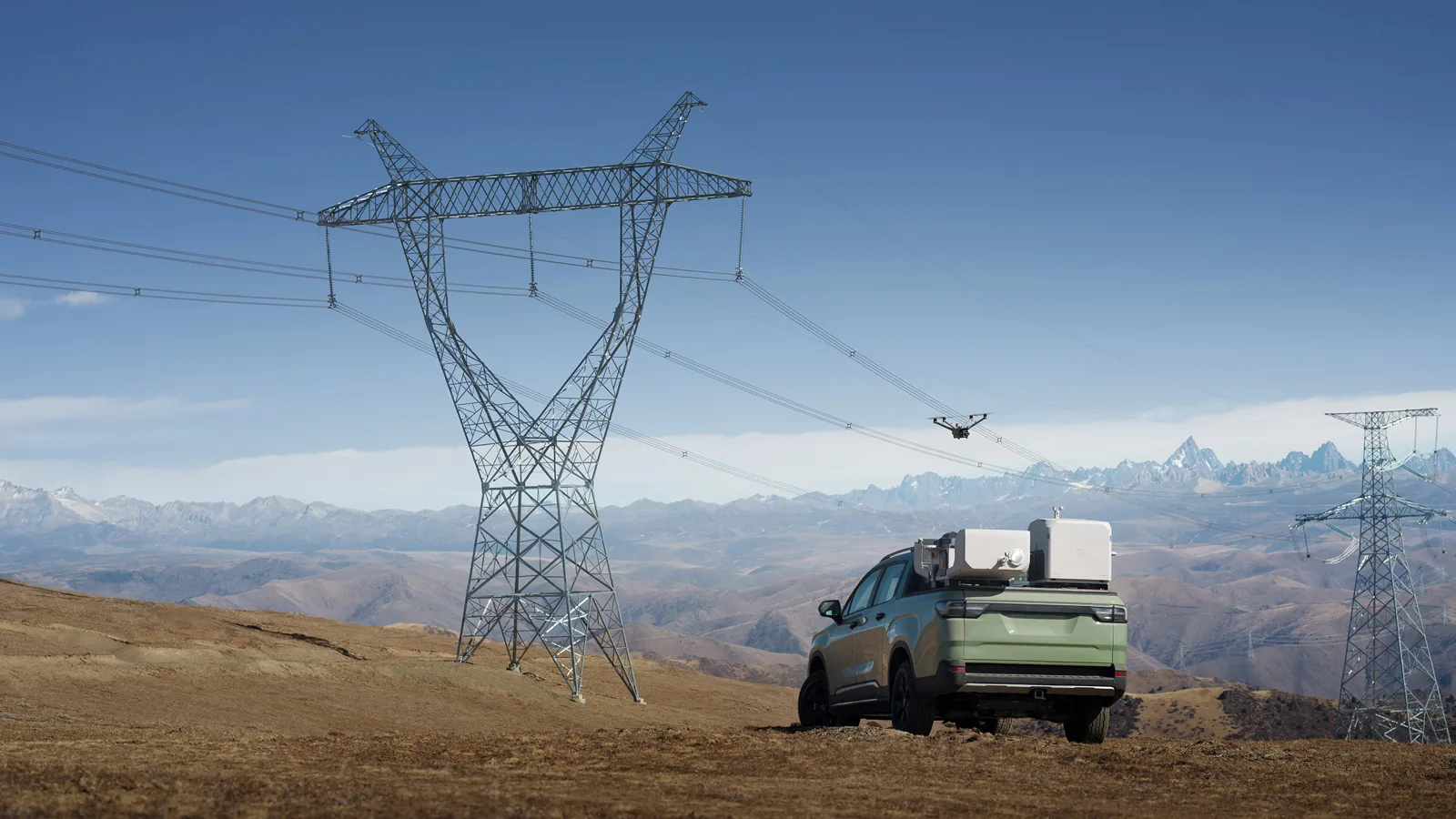
Utilities run some of the most repetitive inspection workloads in any industry — the same substation, the same corridor segment, checked on a fixed cadence month after month. That repetition is exactly what makes a dock pay for itself.
A DJI Dock 3 installed at a critical substation can run scheduled thermal sweeps of transformers and connectors every day without a crew ever driving out, catching resistive hotspots before they cause an outage. After a storm, the dock can be triggered remotely to fly an immediate damage assessment before a truck even leaves the yard.
Not every utility asset justifies a permanent dock. A one-off customer complaint about a leaning pole, an ad hoc inspection request, or a sprawling territory where no single fixed point would capture enough ground are jobs for a mobile aircraft in a truck. TheDJI Matrice 4T lower upfront cost and zero installation requirement make it the default tool for unplanned utility inspection work that a dock network cannot reasonably cover.
Utilities running mature drone programs typically deploy a small number of Dock 3 stations at their highest-value assets, and keep a larger fleet of 4T aircraft with field crews for everything else. See the energy and utility page, the Dock 3 utilities guide, and the Matrice 4T utilities guide.
Public Safety
Dock 3 for fast fixed coverage; Matrice 4T for incidents wherever they happen.
For public safety, persistent translates directly into faster emergency response. ADJI Dock 3 stationed at a fire station, police precinct, or high-incident intersection can be airborne within seconds of a call, remotely piloted before a patrol car even leaves the lot — the capability increasingly known as Drone as First Responder.
Not every department has the budget or incident volume to justify a fixed dock, and not every incident happens near one. A patrol officer carrying a DJI Matrice 4T can launch it directly at a scene — a missing person, an active structure fire, a pursuit — without waiting on a centrally located dock aircraft.
Larger metro departments increasingly run both: a small network of docks covering high-call-volume areas for instant response, backed by 4T-equipped patrol units for everything outside dock range. Explore Drone as First Responder,fire rescue, and the public safety FlightHub 2 guide.
Mining
Dock 3 for stable fixed monitoring points; Matrice 4T for moving work areas.
Mine sites are fixed, harsh, and operate continuously — exactly the profile a dock is built for. Installed at a pit rim or processing area, a DJI Dock 3 can run daily automated flights for stockpile volumetrics, haul-road condition monitoring, and perimeter security without pulling a survey crew off other work.
But mine geography changes constantly — pits expand, haul roads shift, blast zones move. A fixed dock location can become outdated as the mine plan evolves. A DJI Matrice 4Tstays useful precisely because it goes wherever the current worksite is, covering newly opened areas, one-off blast site checks, or equipment inspections a stationary dock flight envelope would not reach.
Larger, longer-life mines with stable pit geometry get the most value from a dock at a fixed monitoring point; smaller or actively evolving sites tend to lean on mobile 4T coverage. Read the mining industry page and the Dock 3 mining guide.
Oil & Gas
Dock 3 for remote fixed facilities; Matrice 4T for reactive field work.
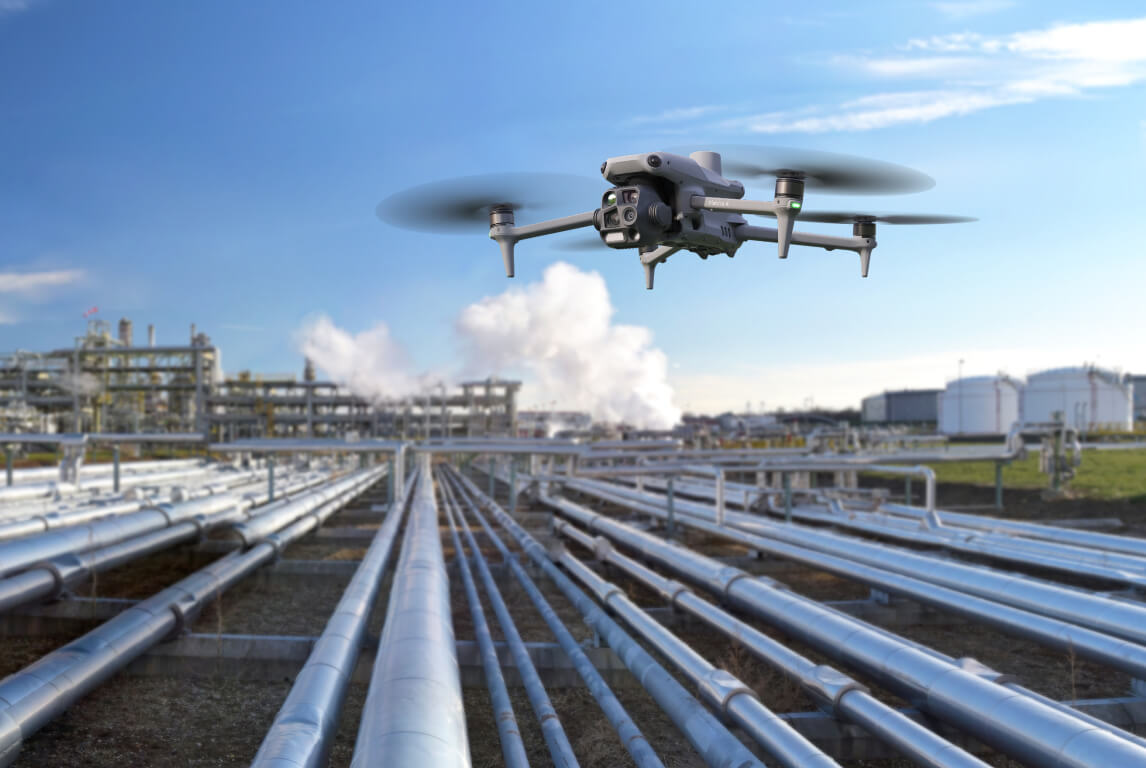
Remote wellsites and compressor stations are often unmanned or lightly staffed, and getting a crew out to fly a manual inspection can mean hours of driving for a ten-minute flight. A DJI Dock 3 installed at a remote facility removes that travel cost entirely — running scheduled thermal sweeps, monitoring flare stacks, or conducting routine perimeter checks, all triggered remotely without dispatching anyone to a site that might be hours from the nearest office.
Pipeline routes and facility maintenance work often involve exactly the kind of ad hoc, go-to-the-problem inspection a fixed dock cannot handle. A leak report, an encroachment flagged by a landowner, or a one-off tank inspection during a maintenance shutdown all call for an aircraft a technician can load into a truck and fly wherever the issue actually is.
The split tends to follow facility type — fixed, high-value assets like compressor stations and major tank farms justify a dock; scattered wellsites, right-of-way spot checks, and reactive maintenance work stay with mobile 4T crews. See the oil and gas page, the pipeline inspection page, and the Dock 3 oil and gas guide.
Cost and deployment reality
| Choice | Cost / deployment reality | How it scales |
|---|---|---|
| DJI Dock 3 | Starts around $15,890 before the aircraft, plus a Matrice 4TD purchased separately and site installation costs for power and connectivity. | Scales with the number of fixed sites you want under permanent remote watch. |
| DJI Matrice 4T | Lower-cost mobile asset that moves with your crew, with no installation required but also no unattended automation. | Scales with your crew size. |
Bottom line
Most mature programs end up running both.
Across energy, public safety, mining, and oil & gas, the pattern repeats: the Dock 3 wins wherever the same asset needs eyes on it repeatedly and reliably without a crew showing up every time, and the Matrice 4T wins wherever the work is unplanned, mobile, or happening somewhere a fixed installation cannot reach. They are not competing choices, but two tools covering two different halves of the same inspection workload.