Industrial Brief
Thermal Inspection Drones in Canada
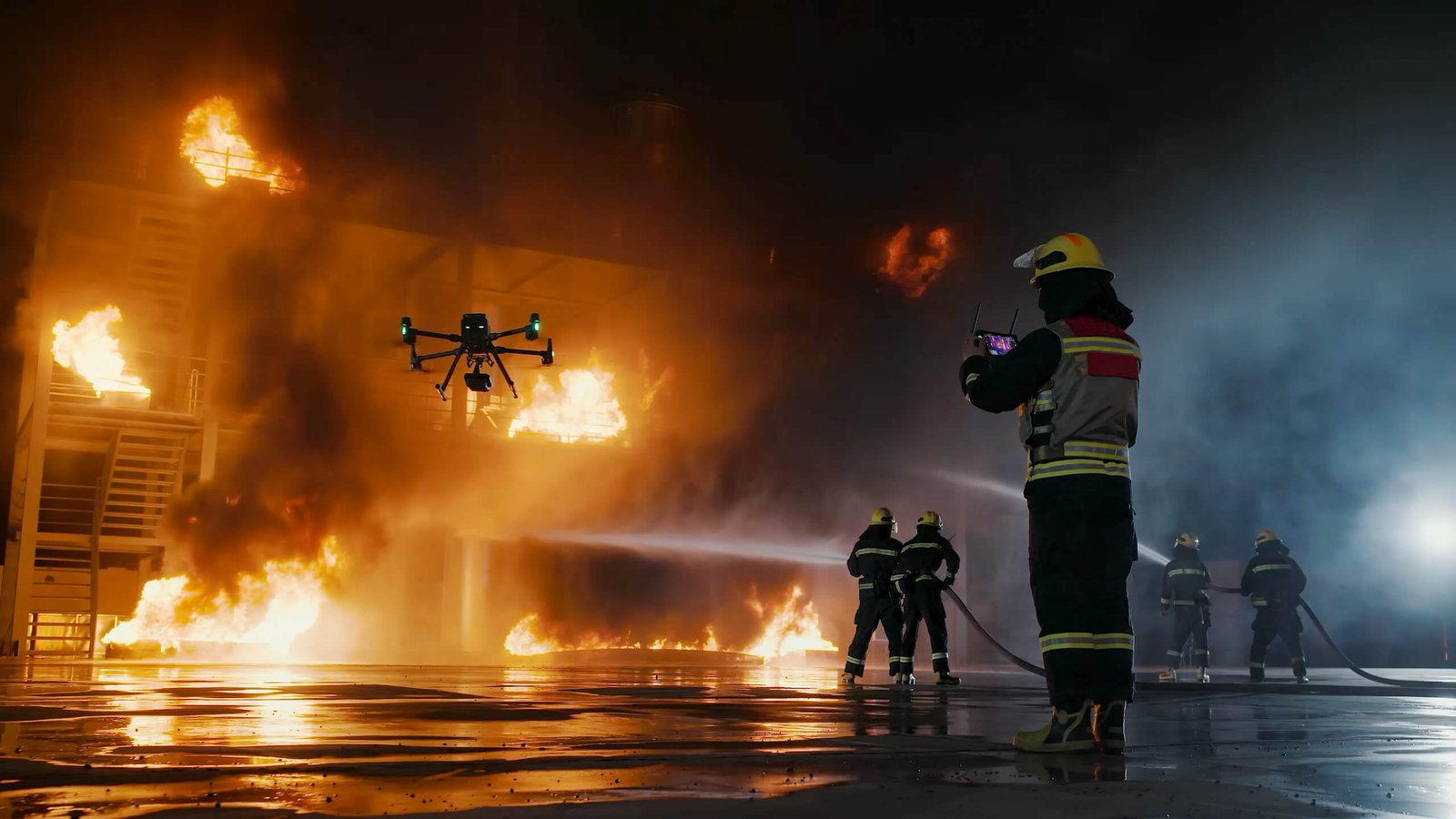
Radiometric infrared inspection on the DJI Matrice 4T and Matrice 400 + Zenmuse H30T for utilities, oil & gas, construction, mining, solar, and industrial facilities — plus autonomous Dock 3 thermal rounds.
Remote Robotic · September 15, 2026 · 10 min read
Why Thermal Inspection by Drone?
Heat is a leading indicator of failure. An overloaded electrical connection, a failing bearing, a saturated roof membrane, or a cracked solar cell all show a thermal signature long before they show visible damage — and often before they cause an outage or a loss. A thermal inspection drone captures that signature across a whole site, quickly, from a safe standoff, without shutting anything down or putting a person at height.
For Canadian operations, drone thermal inspection solves the same problems across every industry: assets are spread across distance, the highest-value inspection targets are dangerous to reach, and early detection prevents expensive failures. One radiometric flight replaces a slow, hazardous manual survey — and produces a documented, measurable record instead of a clipboard note.
What Thermal Inspection Detects
| Thermal signature | What it reveals | Where it matters |
|---|---|---|
| Hot electrical connections | Loose or corroded joints, overloads | Utilities, facilities, solar |
| Overheating equipment | Failing bearings, motors, transformers | Facilities, mining, oil & gas |
| Heat loss / air leakage | Envelope and insulation defects | Construction, facilities |
| Moisture & membrane failure | Trapped water under roofing | Construction, facilities |
| Cell & panel defects | Hotspots, bypass-diode failures | Solar |
| Insulation & refractory loss | Heat escaping vessels & furnaces | Oil & gas, industrial |
| Fluid & tank levels | Level and sludge lines in tanks | Oil & gas |
| Fire & hotspot detection | Smouldering, spontaneous heating | Mining, facilities, emergency |
The Thermal Inspection Platforms
Thermal work spans handheld daily inspection to reporting-grade radiometric surveys to autonomous recurring rounds. Remote Robotic matches the platform to the job.
Platform 01 · Everyday thermal
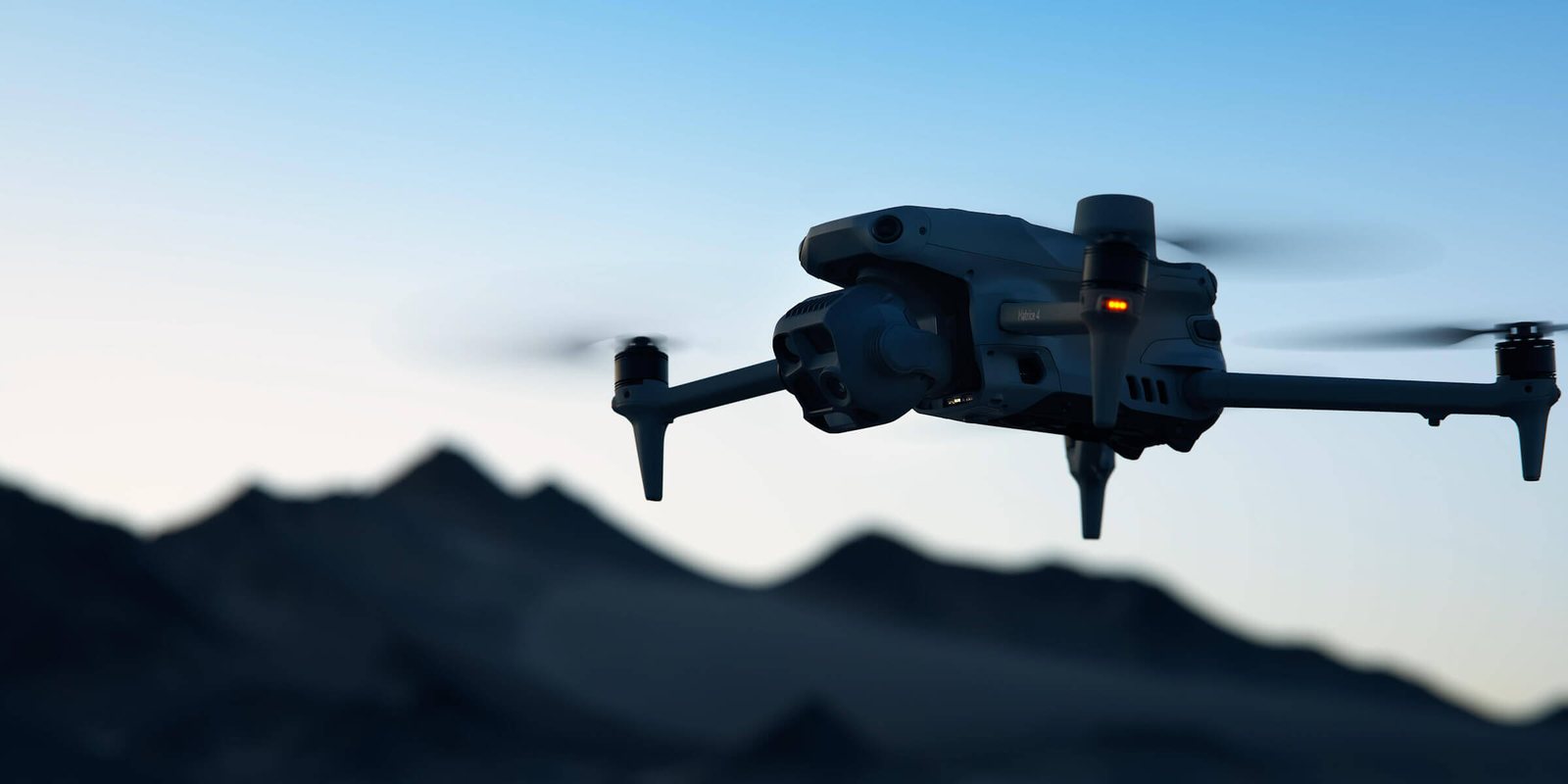
DJI Matrice 4T — The Everyday Thermal Workhorse
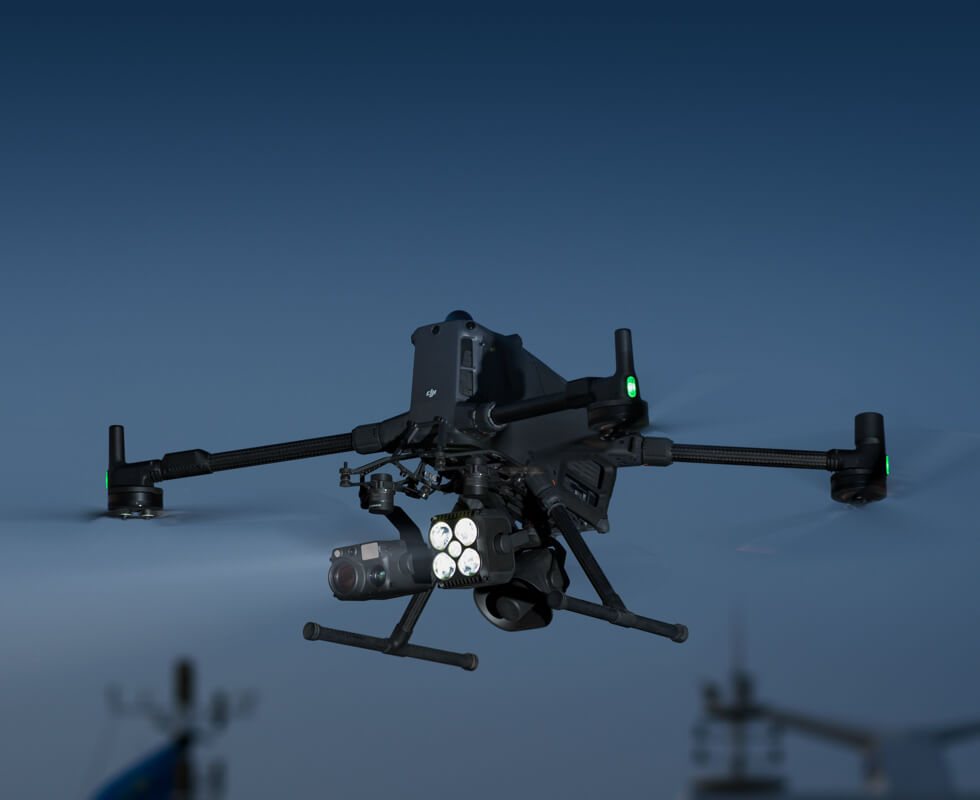
The DJI Matrice 4T is the go-to thermal inspection drone for most Canadian industrial work: a compact 1.2 kg aircraft with an integrated 640 × 512 radiometric thermal camera accurate to ±2°C, a 112x hybrid-zoom visual system, and a 1,800 m laser rangefinder — a full thermal-and-visual toolkit built into one airframe that deploys from a case in minutes.
Best for: electrical and substation thermal, facility and equipment scans, roof and envelope surveys, solar array inspection, storm and incident response.
| Specification | Figure |
|---|---|
| Thermal resolution | 640 × 512 radiometric |
| Thermal accuracy | ±2°C (high gain) |
| Visual zoom | 48 MP, 112x hybrid |
| Laser rangefinder | 1,800 m |
| Max flight time | 49 min |
| IP rating | No standard rating (fair weather) |
Shop the DJI Matrice 4T or read the Matrice 4T inspection guide.
Platform 02 · Reporting-grade radiometric
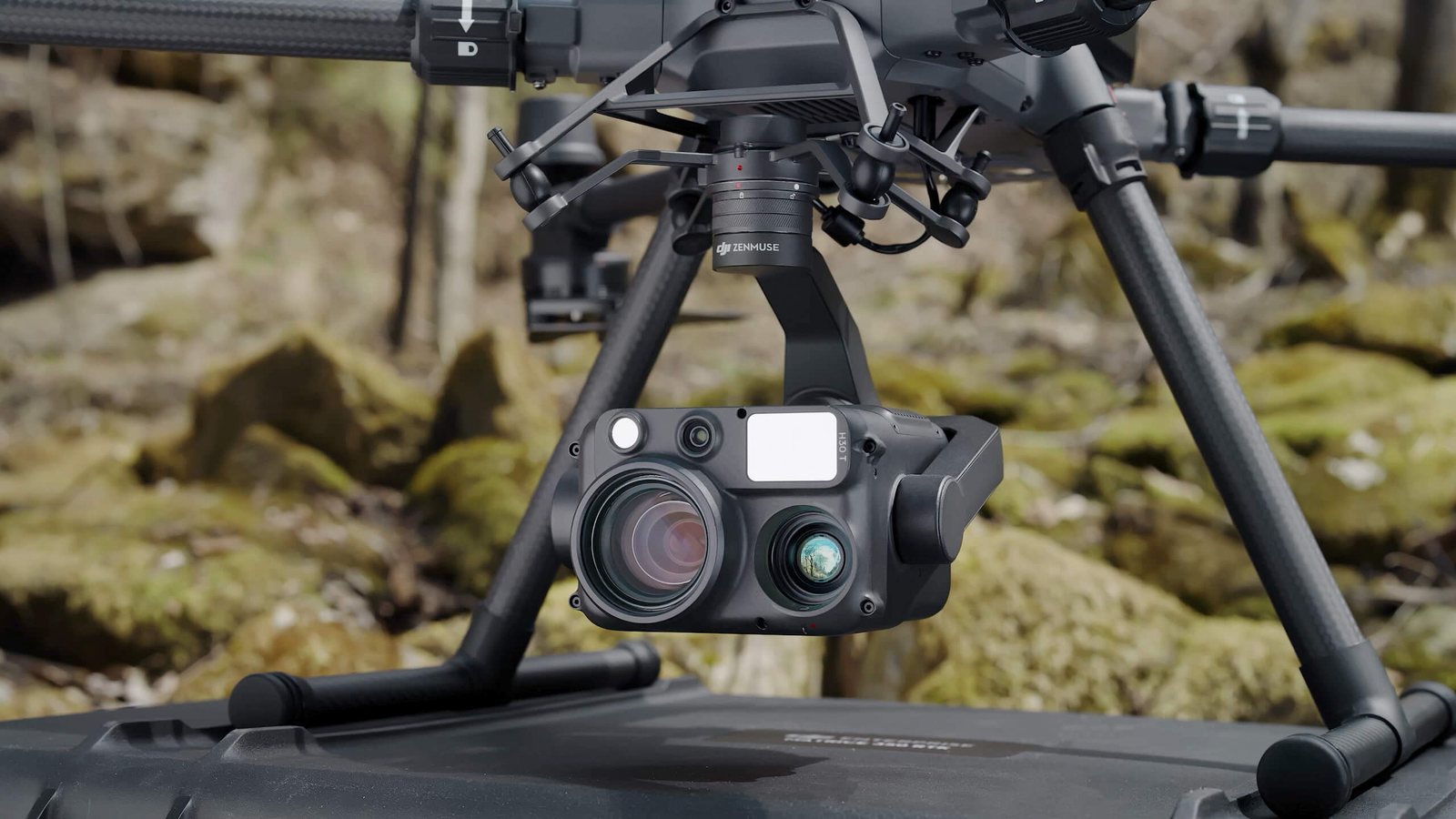
DJI Matrice 400 + Zenmuse H30T
When the job needs the highest-end radiometric payload, multi-sensor capture, or heavy-lift capability, the DJI Matrice 400 carries the Zenmuse H30T — a larger thermal-plus-visual payload for reporting workflows — with IP55 weather sealing, a -20°C operating floor, and 59-minute flights. It's the platform for transmission-scale thermal, large-facility surveys, and programs that pair thermal with LiDAR or corona payloads.
Best for: transmission-line thermal, large industrial facilities, high-end radiometric reporting, multi-payload inspection programs.
| Specification | Figure |
|---|---|
| Payload capacity | 6 kg (gimbal payloads) |
| Thermal payload | Zenmuse H30T (radiometric) |
| Max flight time | 59 min |
| Operating temperature | -20°C to 50°C |
| IP rating | IP55 |
Shop the DJI Matrice 400 and the Zenmuse H30T, or read the Matrice 400 inspection guide.
Platform 03 · Autonomous rounds
DJI Dock 3 — Autonomous Thermal Rounds
For recurring thermal inspection — substation rounds, facility monitoring — the DJI Dock 3 houses a Matrice 4TD and flies scheduled thermal-and-visual routes with no pilot on site. The dock is IP56 to -30°C and the docked aircraft IP55 to -20°C with a self-heating battery, so thermal monitoring runs year-round in Canadian conditions, managed from a control room through DJI FlightHub 2.
Best for: 24/7 substation and facility thermal trending, perimeter monitoring, and rapid thermal response at unmanned sites.
| Specification | Figure |
|---|---|
| Dock IP / temperature | IP56, -30°C |
| Aircraft (4TD) IP / temperature | IP55, -20°C |
| Battery | Self-heating |
| Operation | Scheduled thermal-and-visual routes, no pilot on site |
| Management | DJI FlightHub 2 |
Shop the DJI Dock 3 or read the Dock 3 inspection guide.
Thermal Inspection by Industry
Thermal is the rare inspection method that delivers value across nearly every industrial sector. Here's where it fits each.
Utilities & Power
Radiometric thermal finds hot connections, overloaded conductors, failing transformers, and degraded bushings before they cause an outage. The DJI Matrice 4T handles substation and distribution thermal on demand; a DJI Dock 3 automates recurring substation rounds. (See our dedicated powerline inspection page.)
Why it matters: catch a hot joint as a trend, not as an outage.
Oil & Gas
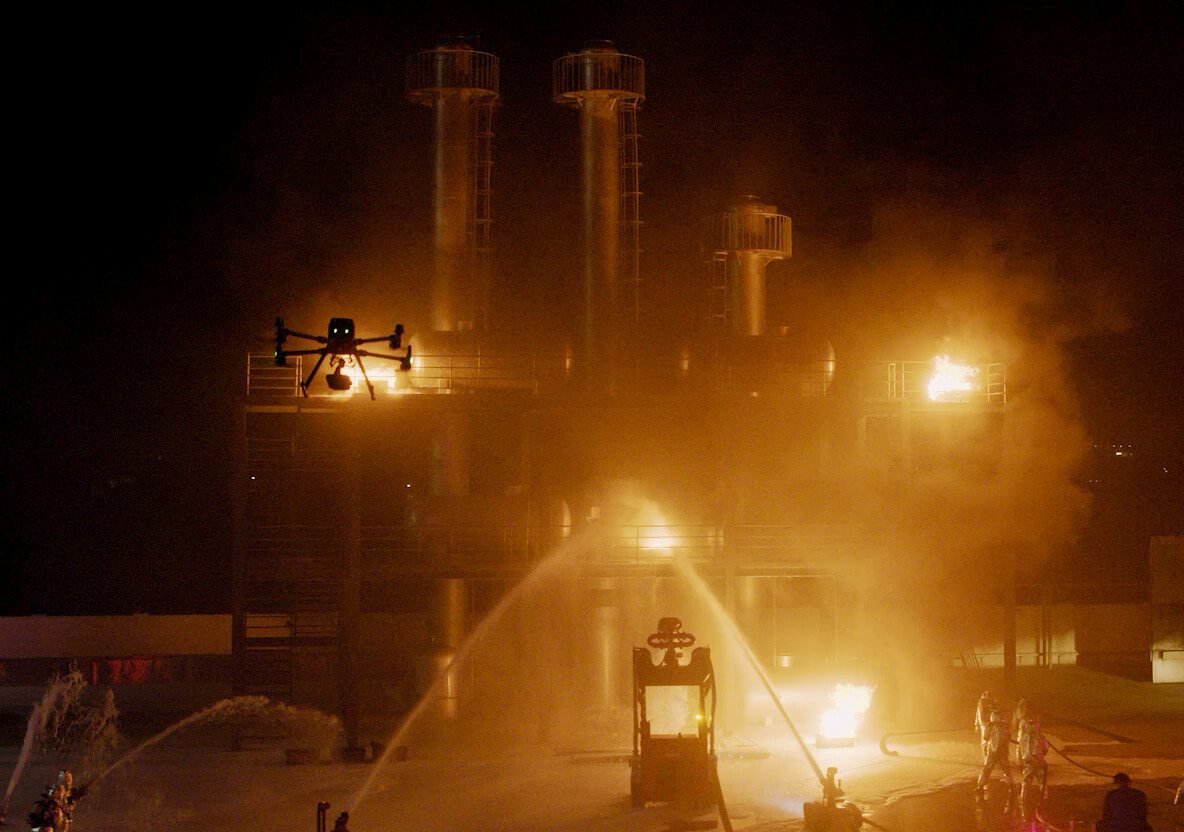
Thermal reveals insulation and refractory loss on vessels and furnaces, tank level and sludge lines, flare and process-equipment condition, and leaks with a thermal signature. The DJI Matrice 4T covers facility thermal rounds; the DJI Matrice 400 handles large-facility and reporting-grade work. Note: for classified zones, plan routes to respect the hazardous-area envelope — the aircraft are not intrinsically safe.
Why it matters: read vessel, tank, and flare condition without a shutdown or a climb.
Construction & Buildings
Thermal envelope surveys find heat loss, missing insulation, air leakage, and moisture trapped under roofing membranes — defects invisible to the eye that become warranty claims. The DJI Matrice 4T scans a facade or a flat roof in a single flight.
Why it matters: find envelope and roof defects from the air before they become claims.
Mining
Thermal detects overheating conveyor bearings and motors, spontaneous combustion and hotspots in stockpiles and spoil, and equipment faults across a remote site. The DJI Matrice 4T deploys fast for equipment and site thermal.
Why it matters: catch a smouldering hotspot or a failing bearing before it stops production.
Solar
Aerial thermal is the standard method for utility-scale solar inspection: it finds cell hotspots, bypass-diode failures, PID, and whole-string outages across thousands of panels far faster than a handheld scan on the ground. The DJI Matrice 4T's radiometric thermal and RTK positioning map defects precisely across an array.
Why it matters: inspect an entire solar farm in a fraction of the time, with every defect geolocated.
Industrial Facilities
Mechanical and electrical thermal across plants and facilities — motors, bearings, switchgear, steam systems, and building services — on demand with the 4T or as an automated program with a DJI Dock 3.
Why it matters: a whole-facility thermal program that catches failures across mechanical and electrical systems.
What Makes a Thermal Drone “Radiometric”?
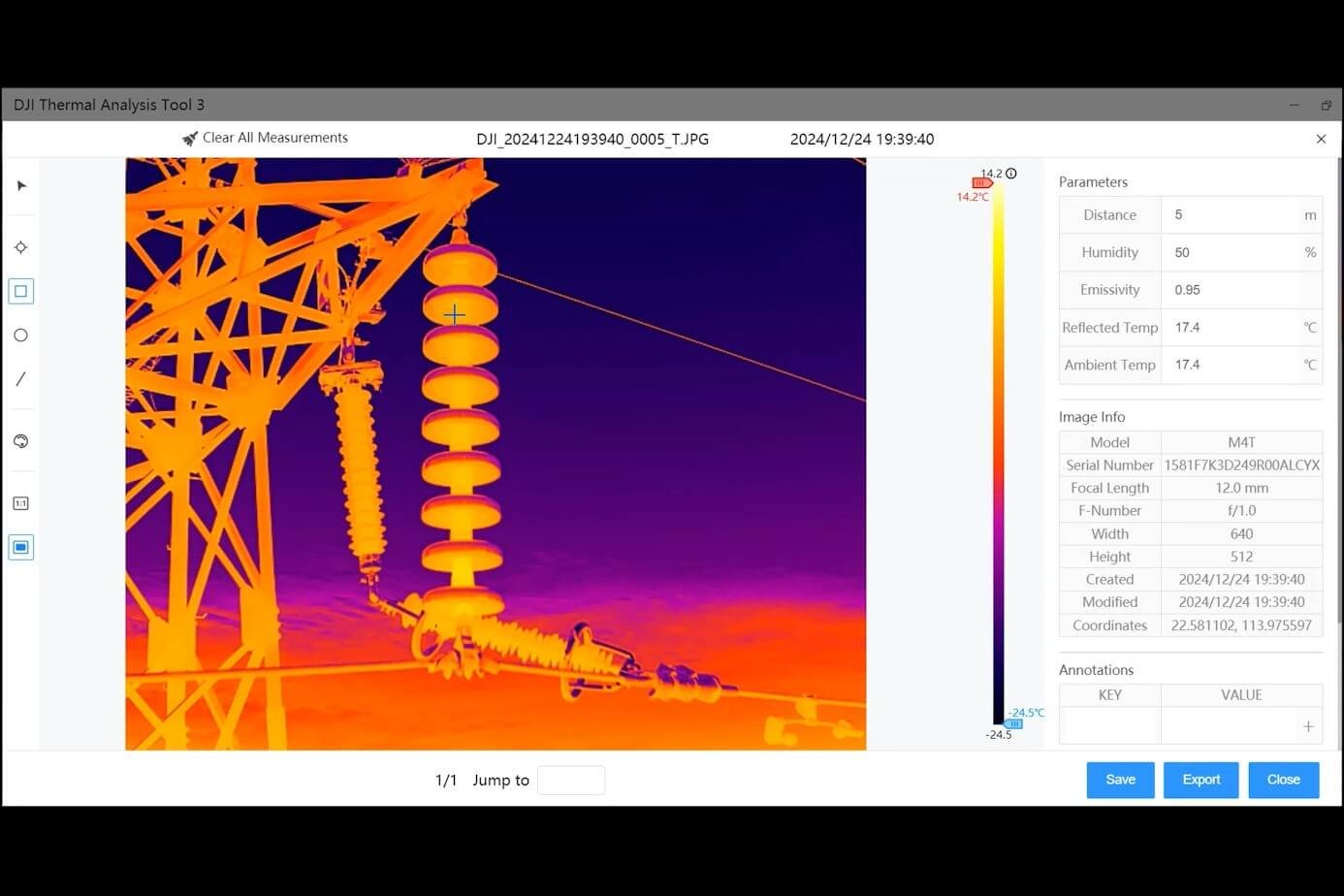
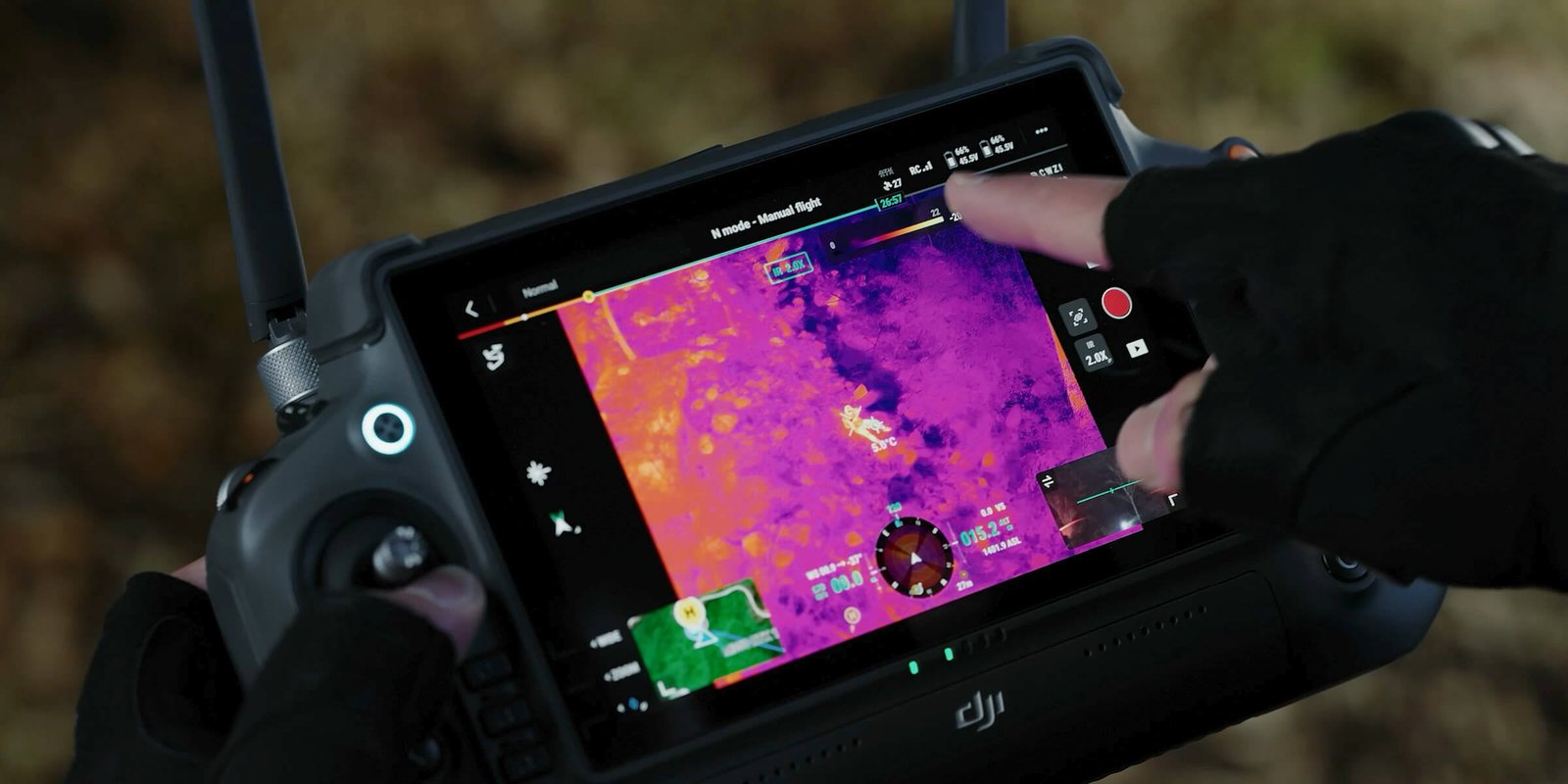
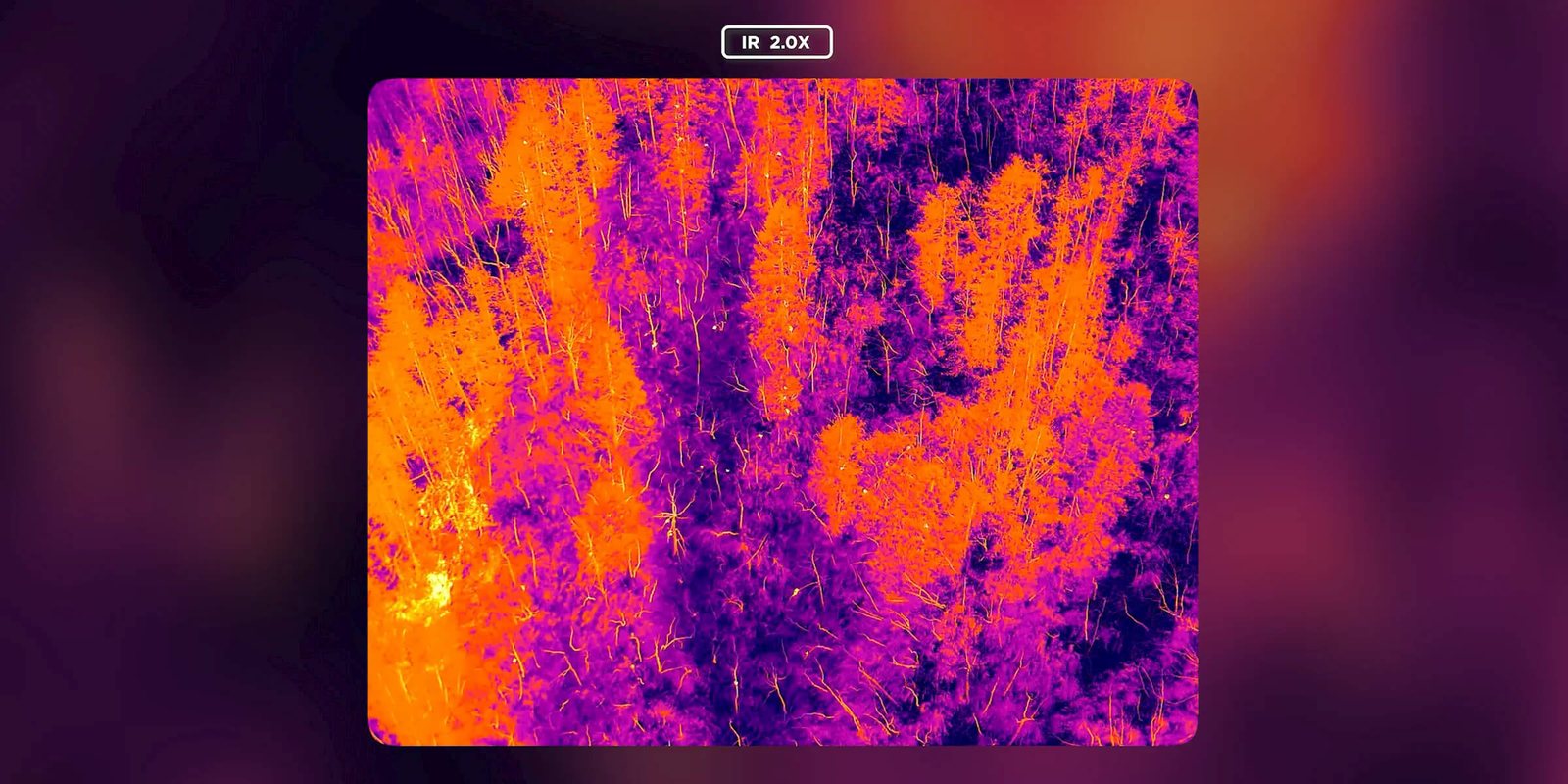
Not all thermal cameras are equal. A radiometric thermal camera records an actual temperature value for every pixel — so you can measure that a connection is running at 82°C, set alarm thresholds, and trend it over time. A non-radiometric camera only shows relative hot and cold. Every DJI thermal payload Remote Robotic supplies — the DJI Matrice 4T's integrated camera and the DJI Matrice 400's Zenmuse H30T — is radiometric, which is what makes the output usable for real inspection reporting rather than just a heat picture.
Weather & Year-Round Operation in Canada
The standard handheld DJI Matrice 4T has no IP rating and should be flown in fair weather. For all-weather thermal programs, the DJI Matrice 400 is IP55 (-20°C, self-heating batteries), and a DJI Dock 3 deployment pairs an IP56 dock (-30°C) with an IP55 aircraft — the combination for genuinely year-round thermal monitoring in Canadian conditions. (Thermal inspection is often better in cold weather, since the temperature differential that reveals defects is larger.)
| Platform | IP rating | Operating temperature |
|---|---|---|
| DJI Matrice 4T | No standard rating (fair weather) | Fair-weather use |
| DJI Matrice 400 | IP55 | -20°C (self-heating batteries) |
| DJI Dock 3 (dock) | IP56 | -30°C |
| Matrice 4TD | IP55 | -20°C |
Parachutes & Flying Over People
Thermal inspection near occupied facilities or populated areas can mean flying over uninvolved people — an advanced operation under Transport Canada's CARs Part IX, where a deployable parachute is the recognized ground-risk mitigation. The Matrice 4 Series (4T / 4TD) uses the AVSS Parachute Recovery System; the DJI Matrice 400 uses the DJI AP100 Parachute. We scope the parachute and the over-people compliance case with the platform.
Compliance & Operations in Canada
Thermal inspection often means flying near infrastructure and sometimes in controlled airspace — an advanced operation under CARs Part IX, requiring a pilot certified for Advanced Operations, NAV CANADA authorization, and a valid RPAS Safety Assurance declaration. Remote Robotic supports Transport Canada Advanced Operations, BVLOS pathways, airspace authorization, and SFOC applications. For operators who want thermal inspection delivered as data, our Remote Operations Center runs recurring thermal programs as a managed service.
Common Questions
What is the best thermal inspection drone in Canada?
For most industrial work, the DJI Matrice 4T — an integrated 640 × 512 radiometric thermal camera, 112x zoom, and laser rangefinder in a compact airframe. For reporting-grade radiometric work, the DJI Matrice 400 with the Zenmuse H30T.
How accurate is a DJI thermal drone?
The Matrice 4T's radiometric thermal camera is accurate to ±2°C in high-gain mode, with 640 × 512 thermal resolution — sufficient for electrical, mechanical, and building thermal inspection.
What industries use thermal inspection drones?
Utilities, oil & gas, construction, mining, solar, and industrial facilities — anywhere heat is an early indicator of failure or loss.
Can thermal drones inspect solar farms?
Yes — aerial radiometric thermal is the standard method for utility-scale solar, finding cell hotspots, bypass-diode failures, and string outages across thousands of panels quickly, with every defect geolocated.
Do thermal inspection drones work in winter?
Yes — and cold weather often improves results, since the temperature differential that reveals defects is larger. The Matrice 400 (IP55, -20°C) and a Dock 3 deployment are built for year-round Canadian operation; the handheld Matrice 4T should fly in fair weather.
What's the difference between radiometric and non-radiometric thermal?
A radiometric camera records an actual temperature for every pixel (so you can measure and trend); a non-radiometric one only shows relative heat. Every DJI thermal payload we supply is radiometric.
Start a Thermal Inspection Program
Remote Robotic supplies, trains, and operates thermal inspection drone programs across Canada — for utilities, oil & gas, construction, mining, solar, and industrial facilities. Tell us your assets and cadence, and we'll scope the right platform, thermal payload, parachute, compliance, and support.
Request a quote · Book a demo · Explore industry guides
Sources
- DJI Matrice 400, Matrice 4 Series, Zenmuse H30T, and Dock 3 specifications (enterprise.dji.com)
- DJI Matrice 400, Matrice 4 Series, and Matrice 4D / Dock 3 User Manuals
- Transport Canada, Drone operation categories and pilot certificates: tc.canada.ca
Shop the story
Related products in our catalog
Every product below is stocked and supported by Remote Robotic in Canada.
- DJI Matrice 4T
DJI Matrice 4T
Multi-sensor M4 Series with thermal + NIR + laser rangefinder for inspection & public safety.
View product → - DJI Matrice 400
DJI Matrice 400
Flagship enterprise M400 airframe — 59 min flight, 6 kg payload, multi-sensor ready.
View product → - DJI Zenmuse H30T
DJI Zenmuse H30T
Wide + 34× zoom + thermal (1280×1024) + laser rangefinder + NIR — the flagship M400 payload.
View product → - DJI Matrice 4TD
DJI Matrice 4TD
Dock-native thermal M4TD with NIR aux light — night-ops DFR and thermal patrol.
View product → - DJI AP100 Parachute
DJI AP100 Parachute
Certified recovery parachute for the M400 — the enabler for flight over people workflows.
View product → - DJI FlightHub 2 AIO
DJI FlightHub 2 AIO
Pre-installed on-premises appliance — up to 20 aircraft/docks, data stays on your network. CAD $22,285.
View product →