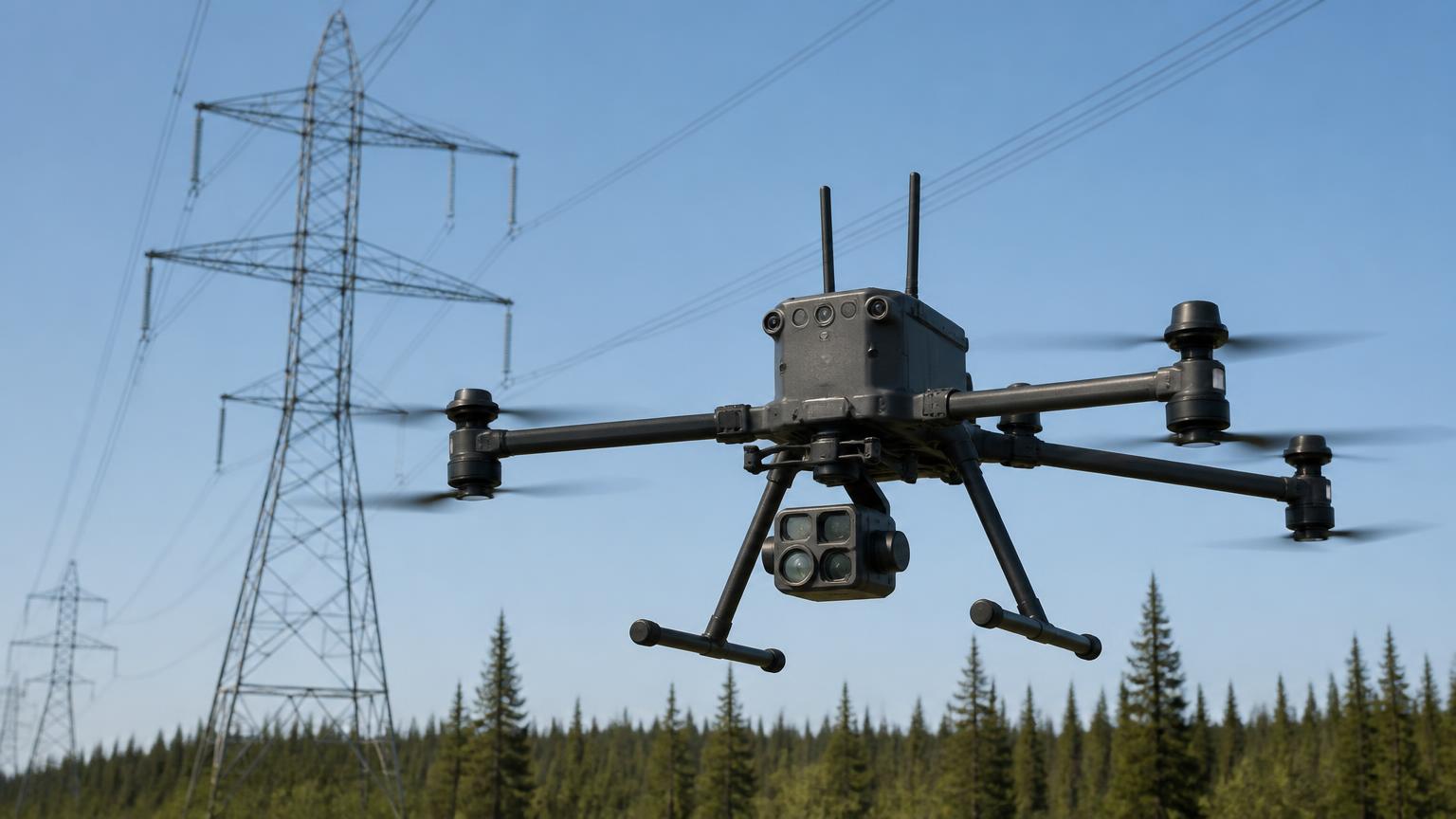
Industrial Brief
Industrial Inspection Drones in Canada | DJI Enterprise
Compare DJI Matrice 4T, Matrice 400, and Dock 3 industrial inspection drone programs for thermal, zoom, corona/UV, and LiDAR work across Canadian assets.
Remote Robotic · September 17, 2026 · 11 min read
Why Drones for Industrial Inspection?
Industrial assets share a problem: the things most worth inspecting are often the hardest and most dangerous to reach. Traditional inspection can mean scaffolding, bucket trucks, helicopter work, and downtime.
Whether the program is described as an inspection drone Canada initiative, a commercial inspection drone fleet, an enterprise inspection drone program, an infrastructure inspection drone deployment, or an asset inspection drone workflow, the operational goal is the same: safer access and repeatable data.
An inspection drone removes the access problem. A single operator captures calibrated thermal, high-resolution visual, or 3D data from a safe standoff without putting a person at height or taking the asset offline. The output is a measurable, documented, repeatable record.
For Canadian operators, the inspection platform must match the asset, the weather, and the cadence.
The Inspection Methods
Industrial inspection isn't one technique — it's four core methods, matched to what you're looking for. Each has its own dedicated guide.
| Method | What it finds | Learn more |
|---|---|---|
| Thermal | Radiometric thermal inspection. | Thermal inspection drones → |
| Zoom (visual) | 112x hybrid-zoom visual inspection. | Matrice 4T (112x hybrid zoom) → |
| Corona / UV | Corona / UV inspection with OFIL DayCor. | DJI Matrice 400 + OFIL DayCor |
| LiDAR | LiDAR inspection and mapping with Zenmuse L3. | DJI Matrice 400 + Zenmuse L3 |
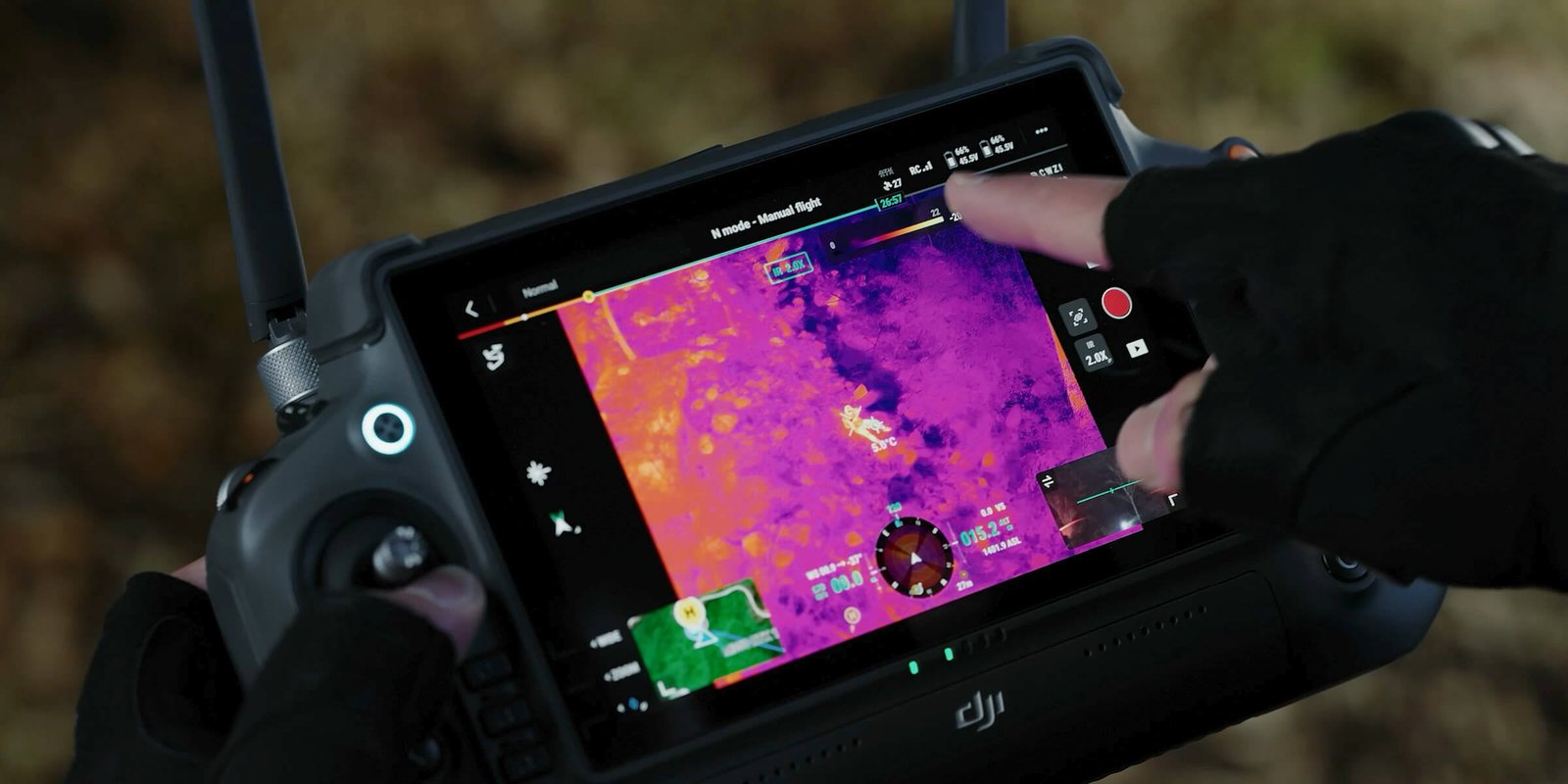
Inspection by Industry
Industrial inspection spans every asset-heavy sector. Each industry has different access constraints, inspection frequency, sensor requirements, and reporting workflows. Use the links below to move from this overview into the industry-specific guide.
Powerline & Transmission
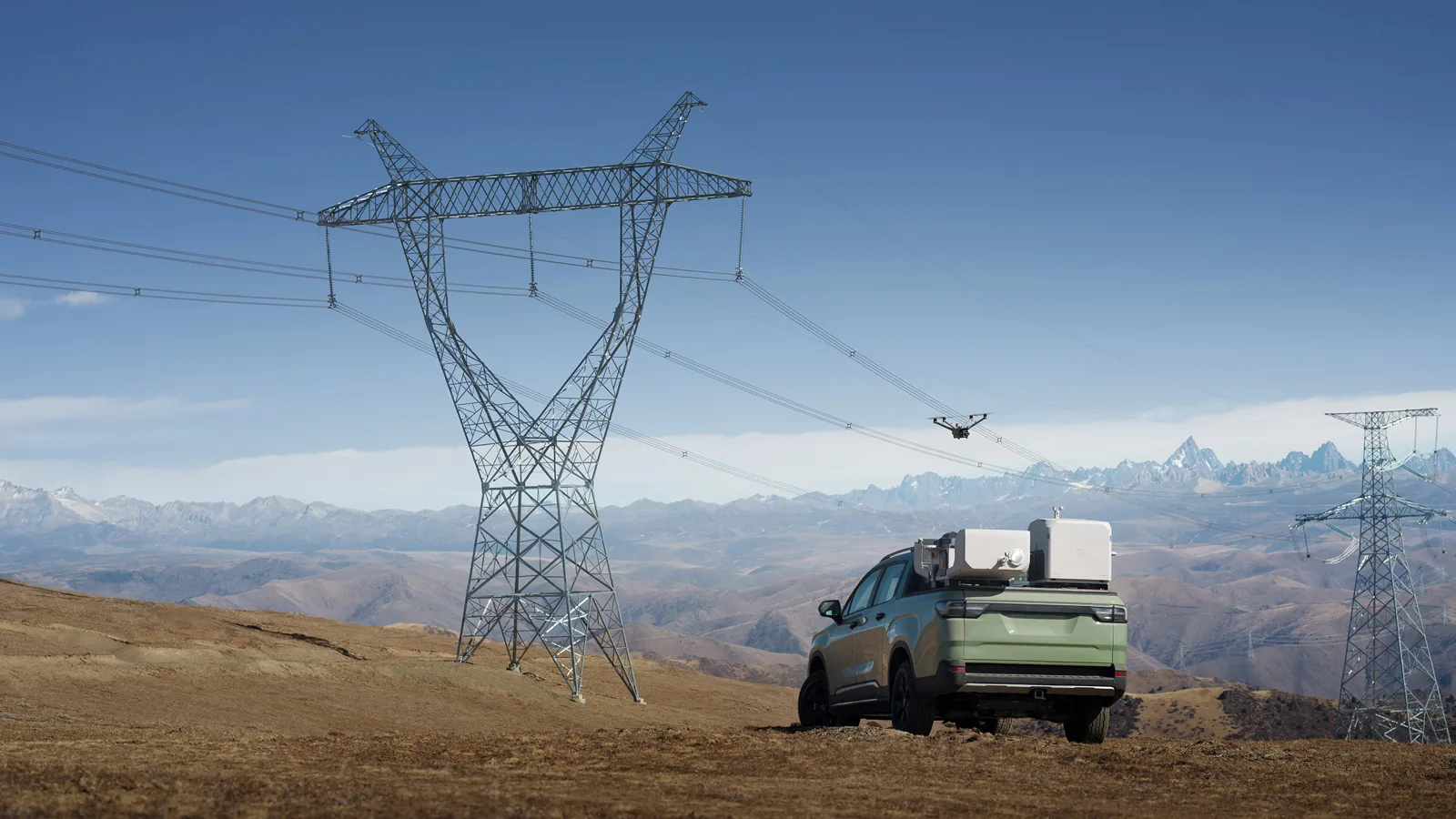
Powerline inspection programs focus on energized assets that are difficult to access safely from the ground: towers, crossarms, insulators, conductors, hardware, and long right-of-way corridors. Thermal inspection helps identify abnormal heating; high-zoom visual inspection documents visible defects; corona/UV inspection is used where discharge detection is required; and LiDAR supports corridor and clearance work.
Industry guide: Powerline inspection drones →
Substation
Substations are suited to repeatable thermal and visual inspection because the same assets need to be checked on a defined cadence. The DJI Matrice 4T is a fit for on-demand work, while a DJI Dock 3 can support scheduled autonomous rounds at fixed sites where recurring inspection matters.
Industry guide: Energy & utility guide →
Oil & Gas
Oil & gas sites benefit from standoff inspection around facilities, pads, process areas, tanks, flare systems, and other assets where manual access can add time or risk. Thermal and zoom inspection give crews a documented view of conditions without putting people close to the asset.
Industry guide: Oil & gas inspection →
Pipeline
Pipeline programs are corridor-based: operators need to inspect linear routes, access points, crossings, stations, and surrounding conditions. Depending on the route and the inspection objective, the program can combine recurring drone patrols, thermal imaging, high-resolution visual capture, and LiDAR.
Industry guide: Pipeline and oil & gas automation →
Mining
Mining inspection often combines asset inspection with survey and mapping work. Drones can support visual checks of plant, conveyors, high walls, pits, stockpiles, and site access areas, while LiDAR and photogrammetry support repeatable measurement workflows.
Industry guide: Mining drone guide →
Construction & Infrastructure
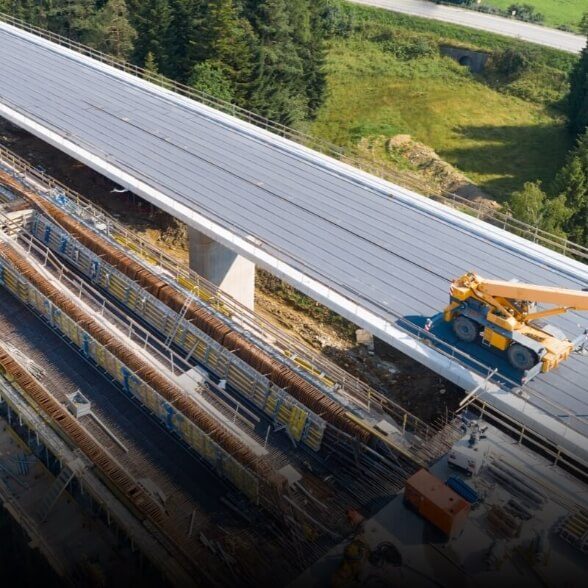
Construction and infrastructure inspection programs use drones to document site progress, inspect hard to reach structures, capture conditions before and after work, and maintain a consistent visual record across active projects. Thermal, zoom, and mapping workflows can be matched to the asset and phase of work.
Industry guide: Construction guide →
The Inspection Platforms
Inspection work spans handheld daily checks to specialist-payload surveys to autonomous recurring programs. Remote Robotic matches the platform to the asset.
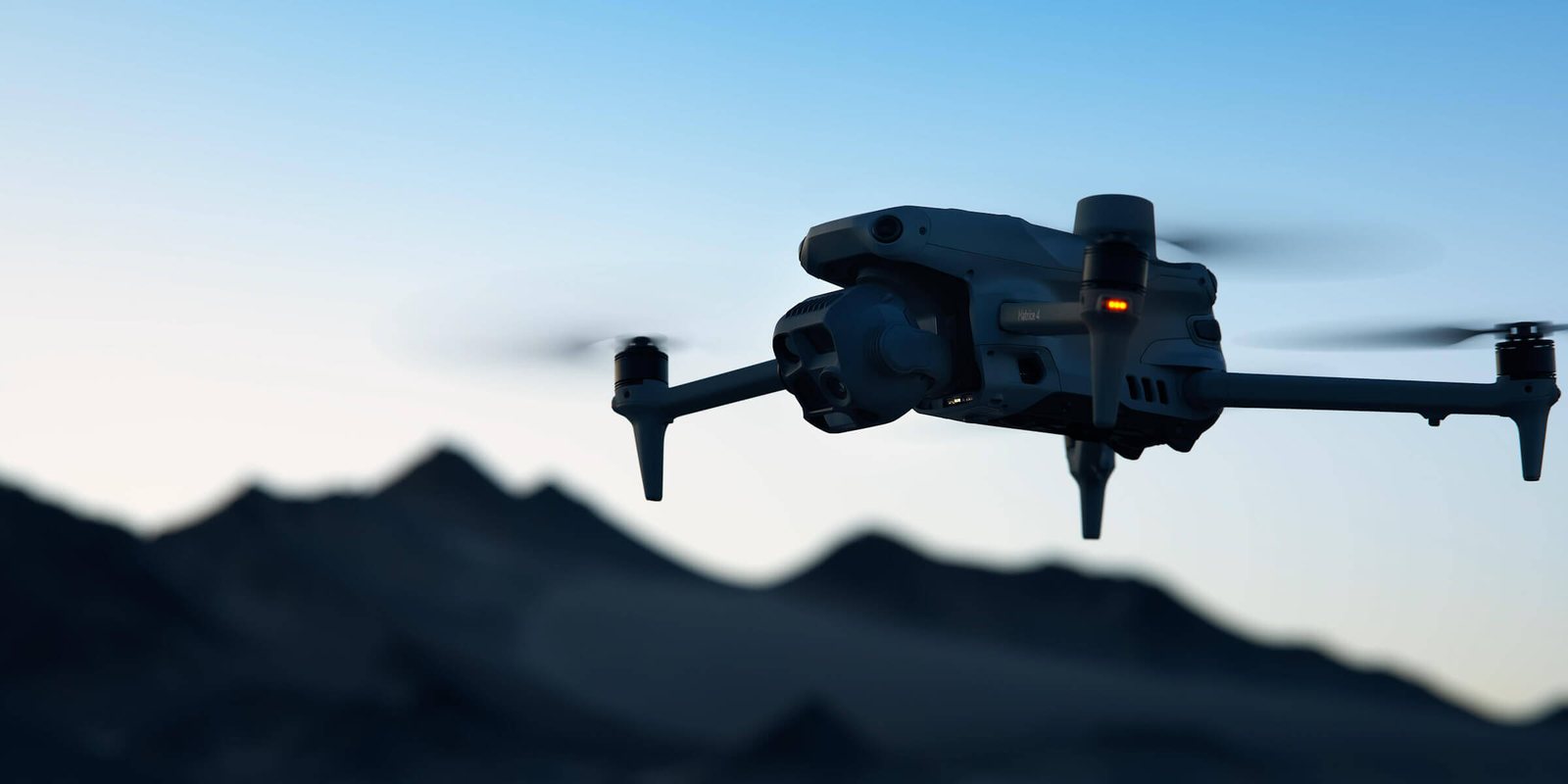
Platform 01
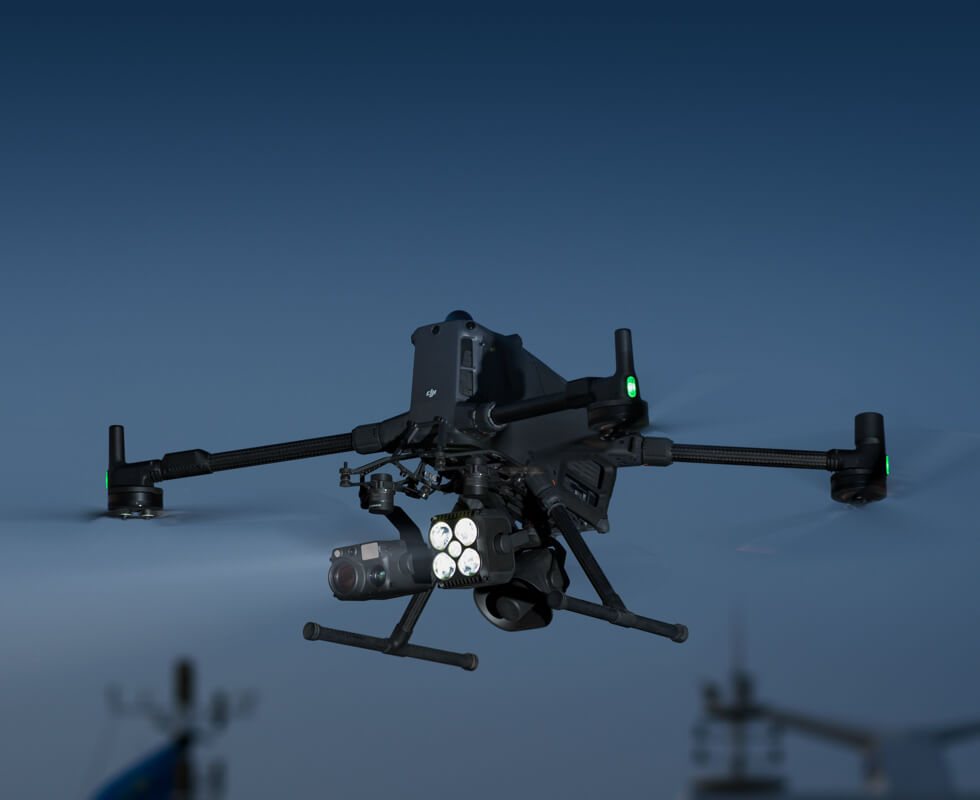
DJI Matrice 4T — The Everyday Inspection Aircraft
The DJI Matrice 4T is the workhorse of industrial inspection: an everyday inspection aircraft with an integrated 640 × 512 radiometric thermal camera (±2°C), a 112x hybrid-zoom visual system, and a 1,800 m laser rangefinder — the full inspection toolkit in one airframe that deploys from a case in minutes.
Best for: everyday thermal and visual inspection across the listed industrial sectors.
| DJI Matrice 4T — The Everyday Inspection Aircraft | Figure |
|---|---|
| Thermal camera | 640 × 512 radiometric, ±2°C |
| Visual zoom | 48 MP, 112x hybrid |
| Laser rangefinder | 1,800 m |
| Max flight time | 49 min |
| IP rating | No standard rating (fair weather) |
Platform 02
DJI Matrice 400 — Heavy & Specialist Payloads
The DJI Matrice 400 is the heavy-lift platform for the payloads the compact aircraft can't carry: a 6 kg capacity, IP55 weather sealing, a -20°C operating floor, and 59-minute flights. It carries corona/UV (OFIL DayCor), LiDAR (Zenmuse L3), and reporting-grade thermal (Zenmuse H30T).
Best for: specialist payload work: corona/UV, LiDAR, and reporting-grade thermal.
| DJI Matrice 400 — Heavy & Specialist Payloads | Figure |
|---|---|
| Max payload | 6 kg (gimbal payloads) |
| Specialist payloads | DayCor UV · Zenmuse L3 LiDAR · Zenmuse H30T |
| Max flight time | 59 min |
| Operating temperature | -20°C to 50°C |
| IP rating | IP55 |
Platform 03
DJI Dock 3 — Autonomous, Recurring Inspection
The DJI Dock 3 houses a Matrice 4TD and flies scheduled thermal-and-visual inspection routes with no pilot on site — managed from a control room through DJI FlightHub 2. The dock is IP56 to -30°C and the docked aircraft is IP55 to -20°C, so autonomous inspection runs year-round in Canadian conditions.
Best for: 24/7 substation and facility rounds, recurring line and perimeter patrols, remote-asset coverage, and rapid response launched from the control room.
| DJI Dock 3 — Autonomous, Recurring Inspection | Figure |
|---|---|
| Dock IP / temp | IP56, -30°C to 50°C |
| Aircraft (4TD) IP | IP55, -20°C to 50°C |
| Thermal camera | 640 × 512 radiometric |
| Operating radius | 10 km from dock |
Handheld or Autonomous? Two Ways to Run an Inspection Program
| Handheld (Matrice 4T / 400) | Autonomous (Dock 3) | |
|---|---|---|
| Deployment | Crew brings the aircraft to site | Aircraft lives on site |
| Best for | Ad-hoc, mobile, multi-site inspection | Recurring rounds at a fixed asset |
| Cadence | On demand | Scheduled, pilot-free |
| Coverage | Anywhere a crew goes | 10 km radius from the dock |
| Payload range | Full (incl. corona, LiDAR on M400) | Integrated thermal + zoom |
Most mature programs use both — handheld aircraft for mobile and specialist inspection, a dock for recurring rounds at high-value fixed assets.
Weather & Year-Round Operation in Canada
Ingress protection decides whether an inspection program runs year-round. The standard handheld DJI Matrice 4Thas no IP rating and should be flown in fair weather. For all-weather inspection, the DJI Matrice 400 is IP55 (-20°C), and a DJI Dock 3 deployment pairs an IP56 dock (-30°C) with an IP55 aircraft — the combination for genuinely year-round operation in Canadian conditions.
| Platform | IP rating | Operating temperature |
|---|---|---|
| DJI Matrice 4T | No standard rating | Fair weather |
| DJI Matrice 400 | IP55 | -20°C to 50°C |
| DJI Dock 3 | IP56 | -30°C to 50°C |
| Matrice 4TD | IP55 | -20°C to 50°C |
Parachutes & Flying Over People
Inspecting assets near occupied areas can mean flying over people not involved in the operation — an advanced operation under Transport Canada's CARs Part IX, where a deployable parachute is the recognized ground-risk mitigation. The Matrice 4 Series (4T / 4TD) uses the AVSS Parachute Recovery System; the DJI Matrice 400 uses the DJI AP100 Parachute. We scope the parachute and the over-people compliance case with the platform.
Compliance & Operations in Canada
Industrial inspection means flying near infrastructure and often in controlled airspace — an advanced operation under CARs Part IX, requiring a pilot certified for Advanced Operations, NAV CANADA authorization, and a valid RPAS Safety Assurance declaration. Remote Robotic supports Transport Canada Advanced Operations, BVLOS pathways, airspace authorization, and SFOC applications. For operators who want inspection delivered as data, our Remote Operations Center runs recurring inspection programs as a managed service — we own the aircraft, docks, and pilots; you subscribe to the deliverables.
Common Questions
What is an industrial inspection drone?
An enterprise UAS carrying a calibrated payload — radiometric thermal, high-zoom visual, corona/UV, or LiDAR — used to inspect infrastructure and assets from the air without scaffolding, shutdowns, or crews at height.
What's the best inspection drone in Canada?
For most industrial work, the DJI Matrice 4T (integrated thermal, 112x zoom, laser rangefinder). For specialist payloads like corona/UV or LiDAR, the DJI Matrice 400. For recurring autonomous inspection, a DJI Dock 3.
What can inspection drones inspect?
Powerline and transmission assets, substations, oil & gas sites, pipelines, mining sites, and construction or infrastructure assets — anywhere assets are hard to reach or dangerous to inspect manually.
Can inspection drones work without a shutdown?
Yes — thermal, zoom, and corona inspection are all done from a safe standoff while the asset stays in service.
Do industrial inspection drones work in a Canadian winter?
The Matrice 400 (IP55, -20°C) and a Dock 3 deployment (dock IP56 to -30°C) are built for year-round operation. The standard handheld Matrice 4T should fly in fair weather.
Can inspection be automated?
Yes — a DJI Dock 3 with a Matrice 4TD flies scheduled inspection routes with no pilot on site, ideal for recurring substation and facility rounds.
Build Your Inspection Program
Remote Robotic supplies, trains, and operates industrial inspection drone programs across Canada — powerline, oil & gas, mining, construction, substation, and pipeline. Tell us your assets and cadence, and we'll scope the right platform, payloads, parachute, compliance, and support.
Explore by method & industry: Thermal · Powerline · Energy & Utilities · Oil & Gas · Mining · Construction
Sources
- DJI Matrice 400, Matrice 4 Series, Zenmuse H30T/L3, and Dock 3 specifications (enterprise.dji.com)
- DJI Matrice 400, Matrice 4 Series, and Matrice 4D / Dock 3 User Manuals
- Transport Canada, Drone operation categories and pilot certificates: tc.canada.ca
Disclaimer — Remote Robotic publishes content based on the latest available information from our vendors and partners. Specifications, pricing, certifications, and feature availability can change without notice, and some details may be incorrect or subject to verification. Always confirm critical specifications with our team before making a purchasing or operational decision.
Shop the story
Related products in our catalog
Every product below is stocked and supported by Remote Robotic in Canada.
- DJI Matrice 4T
DJI Matrice 4T
Multi-sensor M4 Series with thermal + NIR + laser rangefinder for inspection & public safety.
View product → - DJI Matrice 400
DJI Matrice 400
Flagship enterprise M400 airframe — 59 min flight, 6 kg payload, multi-sensor ready.
View product → - DJI Matrice 4TD
DJI Matrice 4TD
Dock-native thermal M4TD with NIR aux light — night-ops DFR and thermal patrol.
View product → - DJI Zenmuse H30T
DJI Zenmuse H30T
Wide + 34× zoom + thermal (1280×1024) + laser rangefinder + NIR — the flagship M400 payload.
View product → - DJI Zenmuse L3
DJI Zenmuse L3
1535 nm long-range LiDAR + dual 100 MP RGB — survey-grade M400 mapping payload.
View product → - DJI AP100 Parachute
DJI AP100 Parachute
Certified recovery parachute for the M400 — the enabler for flight over people workflows.
View product → - DJI FlightHub 2 AIO
DJI FlightHub 2 AIO
Pre-installed on-premises appliance — up to 20 aircraft/docks, data stays on your network. CAD $22,285.
View product →